Love this? Pin it for later! 📌
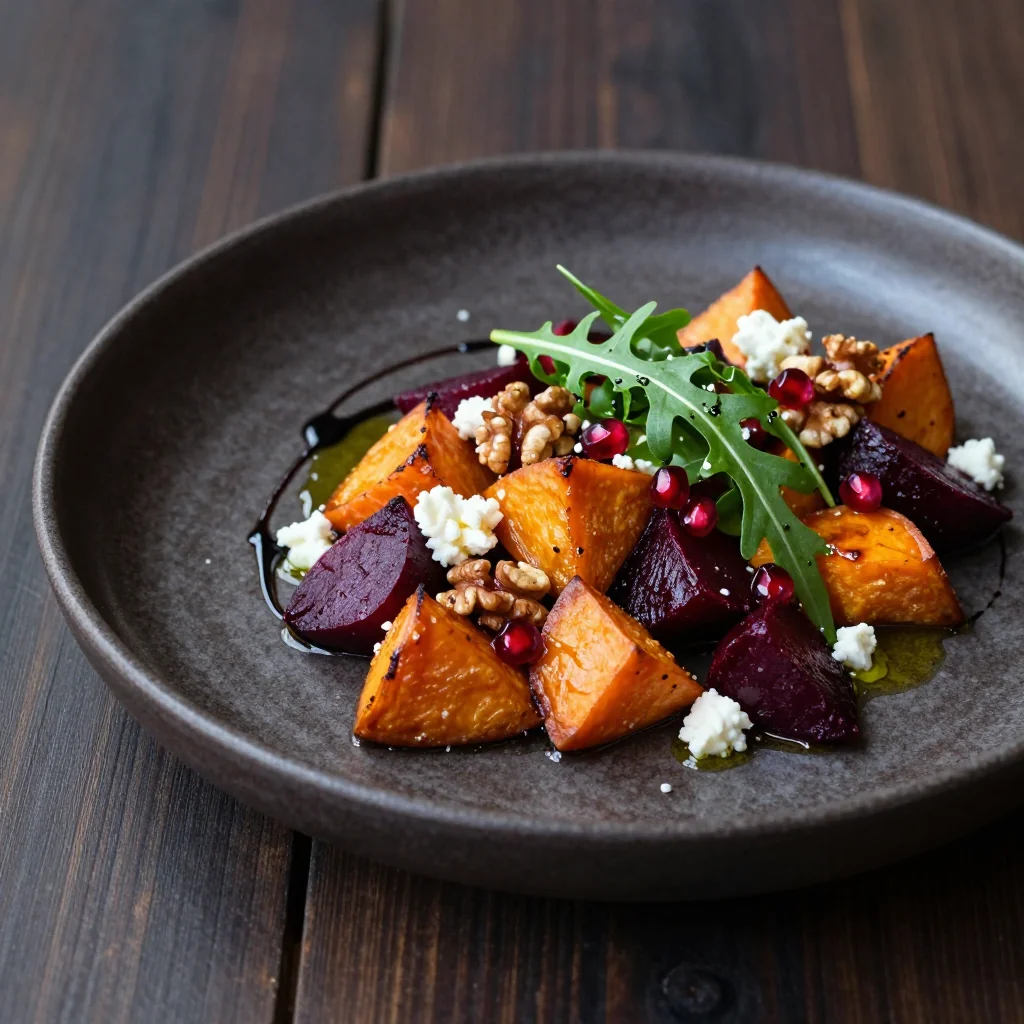
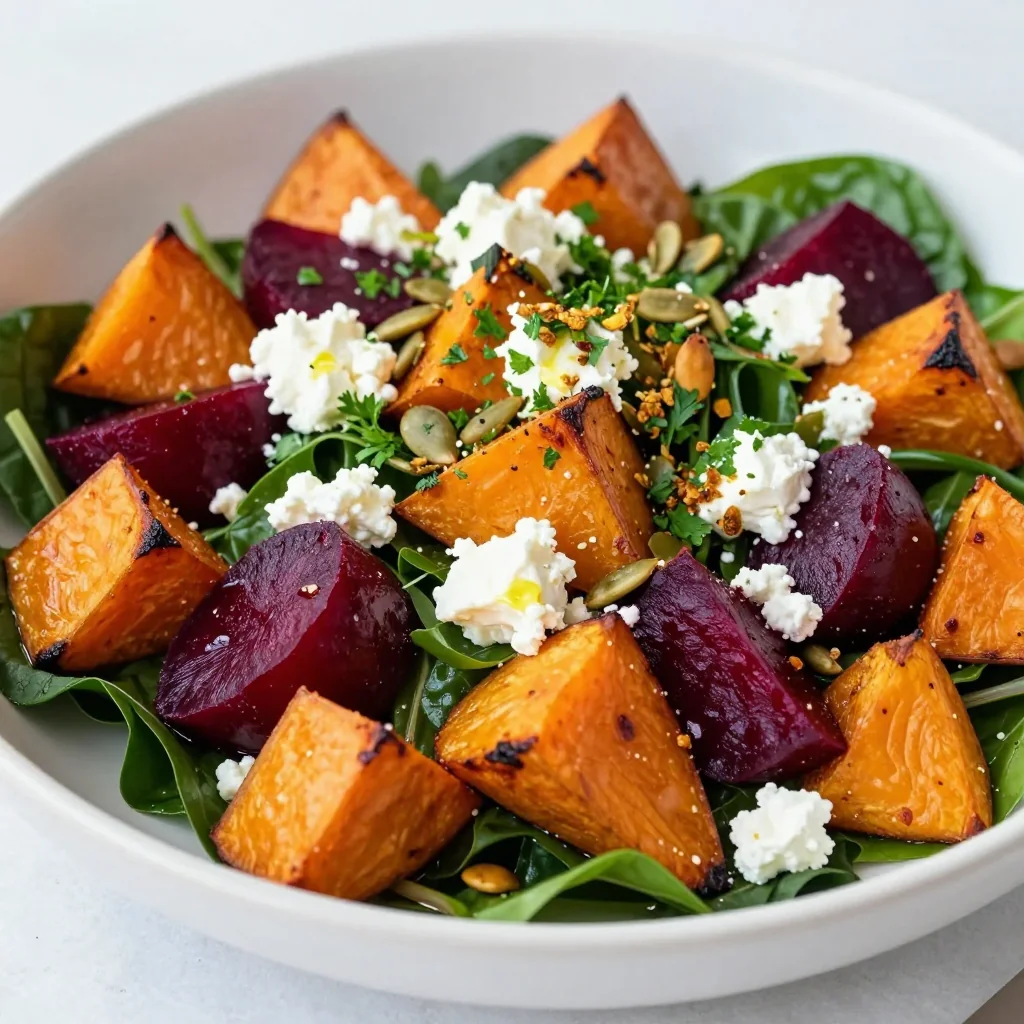
What started as an attempt to use up the lingering root vegetables from my winter CSA box turned into one of those recipes that immediately earned a permanent spot in my winter rotation. The way the garlic-roasted sweet potatoes caramelize alongside the earthy beets, how the warm vegetables slightly wilt the peppery arugula, and how the tangy goat cheese melts into creamy pockets of comfort—it's pure January evening perfection. This isn't just another salad; it's a bowl of winter wellness that feels like a gentle reset after the indulgence of the holidays while still delivering that cozy satisfaction we all need during the coldest month of the year.
Why This Recipe Works
- Sheet Pan Simplicity: Everything roasts together on one pan, meaning minimal cleanup and maximum flavor development as the vegetables caramelize and their natural sugars concentrate.
- January Nutrition Powerhouse: Sweet potatoes provide immune-boosting beta-carotene while beets support liver detoxification—perfect for post-holiday recovery.
- Temperature Play: The contrast of warm roasted vegetables against cool greens creates a textural experience that makes this salad feel substantial rather than just another cold bowl of leaves.
- Meal Prep Friendly: The vegetables can be roasted ahead and assembled quickly, making weeknight dinners a breeze.
- Budget-Conscious: Uses affordable winter produce at its peak, proving that eating well doesn't require expensive ingredients.
- Customizable Protein: Easily transformed from side dish to main course by adding chickpeas, grilled chicken, or toasted nuts for extra staying power.
Ingredients You'll Need
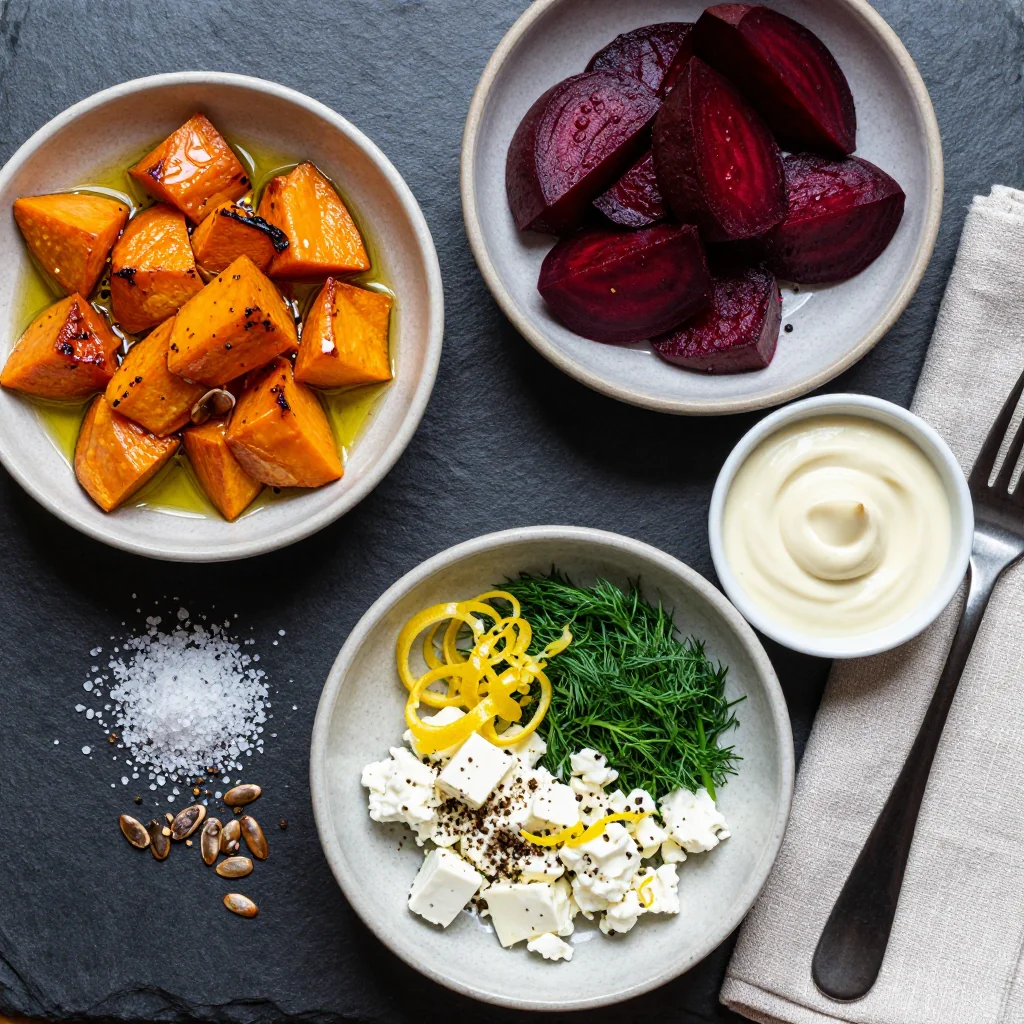
Quality ingredients make all the difference in this simple salad, so let's talk specifics about what to look for and why each component matters. The beauty of winter produce is that it's designed by nature to last, which means you can often find excellent quality even in the depths of January.
For the sweet potatoes, I prefer the orange-fleshed varieties (often labeled as yams in US grocery stores, though they're technically sweet potatoes). Look for medium-sized tubers that feel heavy for their size with tight, unwrinkled skin. Avoid any with soft spots or sprouts. The natural sweetness intensifies during roasting, creating those caramelized edges that make this salad addictive.
Beets are the January vegetable hero here. While I love the visual drama of red beets, the golden or chioggia (candy-striped) varieties won't stain your hands and have a slightly milder flavor. Choose small to medium beets that feel firm and have smooth skin. If you can buy them with the greens attached, that's usually a sign of freshness—the greens should look perky, not wilted.
The garlic in this recipe isn't just a background note; it's a co-star. Fresh garlic, minced fine so it distributes evenly, caramelizes in the olive oil and creates these little flavor bombs throughout the vegetables. Don't be tempted to use pre-minced garlic from a jar here—it won't develop the same depth of flavor during roasting.
For the greens, I specify baby arugula for its peppery bite that stands up beautifully to the sweet roasted vegetables, but young spinach or mixed baby greens work well too. The key is using tender greens that will wilt slightly when the warm vegetables are added, creating a harmonious texture rather than a soggy mess.
The goat cheese adds tangy creaminess that ties everything together. If you're not a fan, good feta or even a mild blue cheese would be excellent substitutes. For a dairy-free version, try roasted chickpeas seasoned with nutritional yeast for that umami depth.
How to Make Savory Garlic Roasted Sweet Potato and Beet Salad for January Evenings
Preheat and Prep
Preheat your oven to 425°F (220°C). This high temperature is crucial for proper caramelization. Line a large rimmed baking sheet with parchment paper for easy cleanup. While the oven heats, peel and cube your sweet potatoes into ¾-inch pieces—large enough to maintain their shape but small enough to roast quickly. Peel the beets and cut them into slightly smaller pieces, about ½-inch, since they're denser and need more surface area to cook through.
Season the Vegetables
In a large bowl, combine the sweet potato cubes, beet pieces, minced garlic, olive oil, salt, pepper, and fresh thyme. The key here is to be generous with the oil—about 3 tablespoons for 2 pounds of vegetables. This isn't the time to be stingy; the oil helps conduct heat and ensures even browning. Toss everything together with clean hands, making sure each piece is well-coated. The garlic should be distributed throughout, not clumped in any one spot.
Arrange for Success
Spread the seasoned vegetables in a single layer on your prepared baking sheet. Give them space—crowding leads to steaming rather than roasting. If your sheet looks crowded, use two pans. Position sweet potatoes cut-side down where possible; this maximizes caramelization. The beets can be scattered throughout. Slide the pan into your preheated oven and set a timer for 20 minutes.
The Flip and Continue
After 20 minutes, remove the pan and give everything a good flip with a sturdy spatula. The bottoms should be nicely golden. Rotate the pan 180 degrees for even cooking (ovens often have hot spots) and return to the oven for another 15-20 minutes. You're looking for tender vegetables with deeply caramelized edges. The sweet potatoes should be creamy inside, the beets tender but not mushy.
Toast the Seeds
While the vegetables finish roasting, toast your pumpkin seeds in a dry skillet over medium heat. This takes about 3-4 minutes—stay attentive and shake the pan frequently. They're done when they start to pop and smell nutty. Immediately transfer to a plate to prevent burning. Toasted seeds add crucial crunch and nuttiness that elevates the entire salad.
Make the Dressing
Whisk together the dressing ingredients: olive oil, apple cider vinegar, Dijon mustard, maple syrup, and a pinch of salt and pepper. The maple syrup balances the vinegar's acidity and complements the roasted vegetables' natural sweetness. Emulsify thoroughly—the dressing should be thick enough to coat the back of a spoon. Taste and adjust seasoning; it should be bright and punchy to stand up to the sweet vegetables.
Assemble with Intention
Place the arugula in a large serving bowl. While the vegetables are still warm (but not piping hot), scatter them over the greens. The residual heat will wilt the arugula slightly, creating a lovely texture contrast. Don't toss yet—drizzle with about two-thirds of the dressing, then add half the goat cheese and half the toasted seeds. Now toss gently, just enough to combine without bruising the greens.
Final Flourishes
Top with the remaining goat cheese and seeds, then drizzle with the rest of the dressing. Finish with a crack of fresh black pepper and perhaps a few extra thyme leaves for color. Serve immediately while there's still a temperature contrast between the warm vegetables and cool greens. The salad evolves as it sits—the greens wilt more, the cheese softens further—both versions are delicious.
Expert Tips
Perfect Roasting Temperature
Don't be tempted to lower the oven temperature for faster cooking. The high heat is essential for caramelization—that magical process where natural sugars develop complex, nutty flavors. If your vegetables are browning too quickly, move the rack lower rather than reducing heat.
Prevent Beet Bleeding
If using red beets, keep them separate until the final assembly. Their color will bleed onto the sweet potatoes, making everything pink. Roast them on opposite sides of the pan or use separate pans if you want pristine colors.
Timing is Everything
Have your greens washed, dressing made, and seeds toasted before the vegetables finish roasting. This salad is best when there's a noticeable temperature difference between components. Multitasking efficiently ensures everything comes together at the optimal moment.
Make-Ahead Strategy
Roast vegetables and store separately from greens. When ready to serve, reheat vegetables in a 350°F oven for 8-10 minutes while you prepare the rest. This maintains the texture contrast that makes the salad special.
Variations to Try
Protein Power
Add a can of drained chickpeas tossed with the same seasonings during the last 10 minutes of roasting. They'll crisp up beautifully and make this a complete meal. Alternatively, top with a soft-boiled egg or grilled chicken strips.
Grain Bowl Transformation
Serve the warm vegetables over a bed of nutty farro or quinoa instead of greens. The grains will absorb the dressing beautifully and create a more substantial meal perfect for freezing January nights.
Citrus Brightness
Add supremed orange or grapefruit segments to the finished salad. The bright acidity cuts through the earthy vegetables and creamy cheese, creating a more complex flavor profile that reminds you spring will come.
Spice It Up
Add a teaspoon of smoked paprika or a pinch of cayenne to the vegetables before roasting. The gentle heat warms you up and adds another layer of complexity that makes this salad anything but boring.
Storage Tips
This salad is best enjoyed fresh, but components can be prepped ahead for weeknight ease. Store roasted vegetables in an airtight container in the refrigerator for up to 4 days. The dressing will keep for a week in a jar with a tight-fitting lid—just shake vigorously before using. Greens should be washed, dried thoroughly, and stored with a paper towel to absorb excess moisture.
If you must store assembled salad, keep the dressing separate and add just before serving. The vegetables can be enjoyed cold or gently reheated in a dry skillet. The arugula will wilt significantly if dressed ahead, transforming into a different but still delicious salad. For meal prep, consider storing components separately and assembling just before eating.
Roasted vegetables freeze surprisingly well. Spread cooled pieces on a baking sheet to freeze individually, then transfer to freezer bags for up to 2 months. Reheat directly from frozen in a 400°F oven for 12-15 minutes, shaking halfway through.
Frequently Asked Questions
Absolutely! Waxy potatoes like Yukon Gold work beautifully and will develop gorgeous crispy edges. The flavor profile changes—less sweet, more savory—but it's equally delicious. You might want to add an extra tablespoon of maple syrup to the dressing to balance the reduced sweetness.
Golden or chioggia beets won't bleed at all! If using red beets, roast them separately or on opposite sides of the pan. When combining, add them last and toss gently. Wearing gloves while handling prevents stained hands, and lemon juice can help remove any stubborn stains from cutting boards.
Yes, completely gluten-free! It's vegetarian but not vegan due to the goat cheese. For a vegan version, substitute with roasted chickpeas tossed with nutritional yeast, or try a plant-based feta. The dressing is already vegan—just ensure your Dijon doesn't contain white wine if you're strictly avoiding all animal products.
Perfect for entertaining! Roast vegetables up to 2 days ahead and refrigerate. Reheat in a 350°F oven for 10 minutes while you prepare other components. Assemble just before serving for optimal texture. The contrast of warm vegetables against cool greens makes an impressive presentation with minimal last-minute effort.
Baby spinach, mixed baby greens, or even massaged kale work beautifully. For a milder flavor, try butter lettuce or romaine hearts. Each green brings its own character—spinach wilts more dramatically, kale provides heartier texture, while mixed greens offer variety in every bite.
Savory Garlic Roasted Sweet Potato and Beet Salad for January Evenings
Ingredients
Instructions
- Preheat oven: Heat oven to 425°F. Line a baking sheet with parchment paper.
- Season vegetables: Toss sweet potatoes, beets, garlic, 2 tbsp oil, ½ tsp salt, pepper, and thyme on prepared sheet.
- Roast: Spread in single layer and roast 20 minutes, flip, then roast 15-20 minutes more until tender and caramelized.
- Toast seeds: Meanwhile, toast pumpkin seeds in dry skillet 3-4 minutes until fragrant.
- Make dressing: Whisk remaining oil, vinegar, mustard, maple syrup, and remaining salt.
- Assemble: Place arugula in large bowl. Top with warm vegetables, drizzle with dressing. Toss gently.
- Finish: Top with goat cheese and toasted seeds. Serve immediately.
Recipe Notes
For best results, serve while vegetables are still warm. This creates a delightful temperature contrast and slightly wilts the arugula. If using red beets, roast separately to prevent color bleeding.