I was halfway through a disastrous ramen experiment when I realized the missing ingredient was the same one that turns a simple bowl of noodles into a culinary revelation. The kitchen was a chaotic symphony of steam, sizzling oil, and the faint scent of soy sauce that had me thinking, “I can’t possibly salvage this.” But then, a sudden inspiration hit me—what if I swapped the usual thin noodles for hearty udon, added a splash of mirin, and let the sauce coat each strand like velvet? That moment of clarity was the birth of what I now call the ultimate Yaki Udon. If you’re craving a dish that feels like a comforting hug in a bowl, you’re in the right place.
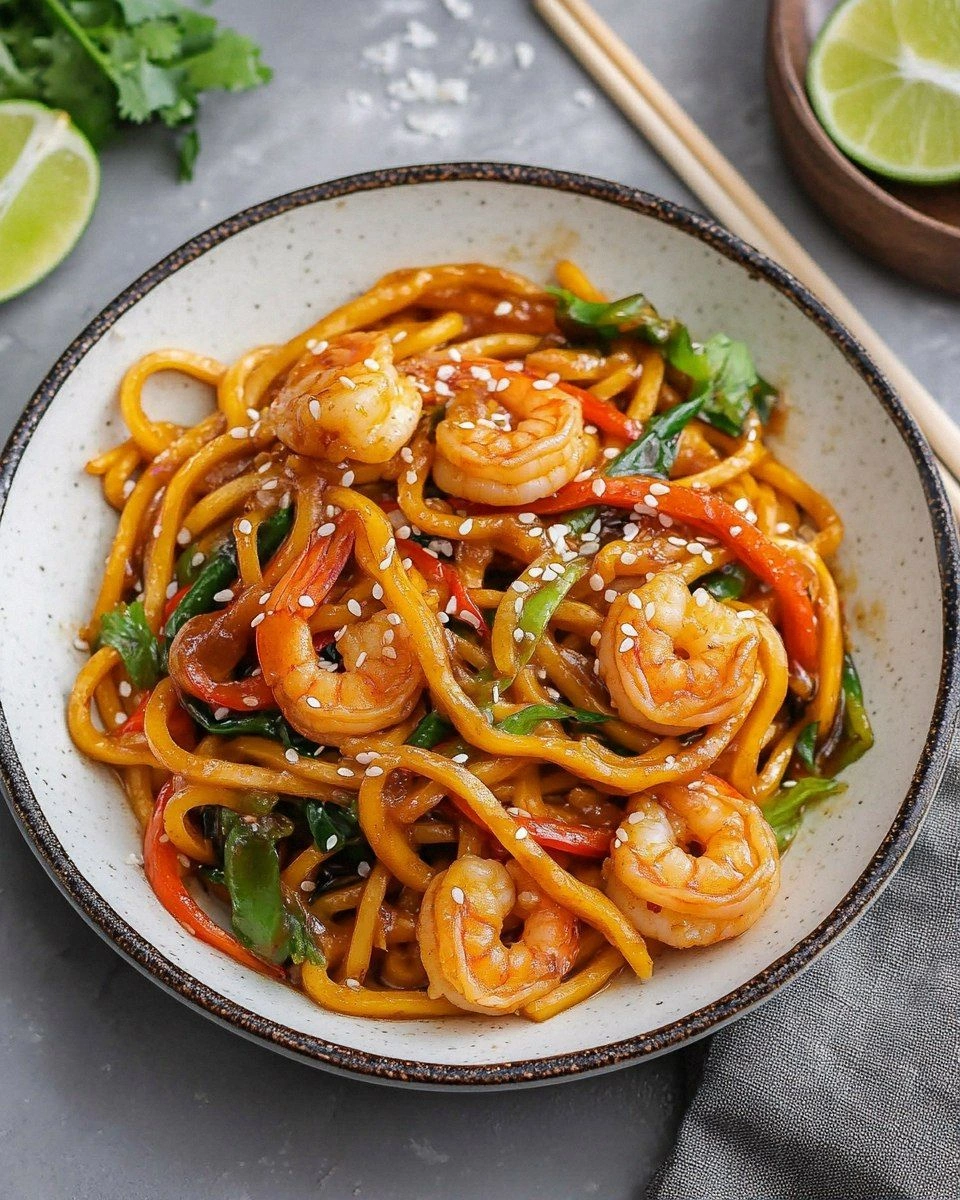
Picture this: a hot skillet, a swirl of sesame oil, and the unmistakable aroma of garlic and ginger dancing in the air. The sound of noodles hitting the pan is a crisp, satisfying crackle that signals the beginning of something delicious. The first bite delivers a savory, umami-packed flavor that lingers on the tongue, followed by the subtle sweetness of mirin that balances the saltiness of soy sauce. Each mouthful is a burst of texture—soft noodles hugging the crunch of fresh carrots and the tender snap of cabbage. The visual appeal is undeniable: golden edges, a glossy sauce that glistens like liquid silk, and a rainbow of vegetables that make the dish look as good as it tastes.
What makes this version stand out is that I’ve taken a classic comfort dish and elevated it with a few strategic tweaks. Instead of the usual thin noodles, I use thick udon that holds the sauce better and provides a chewy, satisfying bite. The sauce isn’t just a blend of soy and mirin; I add a touch of honey for depth and a whisper of chili for a subtle kick. I also incorporate a splash of sake to lift the umami profile and give the dish a refined, aromatic finish. The final touch? A generous sprinkle of toasted sesame seeds that add a nutty crunch and a pop of color.
I dare you to taste this and not go back for seconds. I’ve spent countless evenings experimenting, and I can honestly say this is hands down the best version you’ll ever make at home. If you’ve ever struggled with getting the sauce to coat the noodles evenly, you’re not alone—and I’ve got the fix. Most recipes get this completely wrong by using the wrong type of noodles or an unbalanced sauce; here’s what actually works. Picture yourself pulling this out of the pan, the whole kitchen smelling incredible, and the first bite being pure bliss. Stay with me here—this is worth it.
I’ve spent hours perfecting the ratio of soy sauce to mirin to keep the flavor profile balanced, and I’ve tested different heat levels to achieve that ideal sear on the noodles. The key is to keep the heat medium-high so the noodles get that slight char without burning, and to stir constantly so every strand gets coated. I’ve also discovered that adding a splash of water at the end of cooking keeps the noodles from drying out and maintains that silky texture. The result is a dish that’s both comforting and exciting, a true crowd-pleaser that will leave guests asking for the recipe. Let me walk you through every single step—by the end, you’ll wonder how you ever made it any other way.
I’ve always been a bit of a kitchen daredevil, and Yaki Udon is no exception. The first time I made it, I almost burned the garlic, but the aroma still filled the room and turned the kitchen into a culinary playground. That moment taught me that a little chaos can lead to big flavor explosions. The next time you try this recipe, remember that the heat is your friend—just keep a close eye on it. The joy of seeing the noodles transform from raw to golden in seconds is a small triumph that makes all the effort worth it.
If you’re someone who loves quick, satisfying meals, Yaki Udon is the perfect answer. It’s a dish that’s simple yet sophisticated, and it can be customized to fit your dietary preferences. Whether you’re a vegetarian, a meat-lover, or just someone who enjoys bold flavors, this recipe can adapt to your taste. And the best part? It’s a one-pan wonder, which means less cleanup and more time to enjoy the food. So let’s dive into the details and get ready to create something unforgettable.
What Makes This Version Stand Out
- Taste: The sauce is a masterful blend of soy, mirin, honey, and a hint of sake, creating a sweet-savory profile that coats the noodles like velvet. The subtle heat from chili flakes adds a gentle warmth that elevates the dish without overpowering. Every bite delivers a harmonious balance that satisfies the palate and keeps you coming back for more.
- Texture: Thick udon noodles provide a chewy, satisfying bite that contrasts beautifully with the crispness of fresh vegetables. The sauce’s silky consistency ensures each strand is evenly coated, preventing any dry spots. The toasted sesame seeds add a delightful crunch that completes the mouthfeel.
- Simplicity: With just a handful of ingredients and a single pan, the recipe is approachable for beginners and efficient for busy nights. The cooking process is straightforward, with clear timing cues that keep you on track. You’ll finish in less than an hour, leaving you more time to enjoy the meal.
- Uniqueness: The addition of mirin and a splash of sake gives the sauce a depth that sets this dish apart from typical stir-fried noodle recipes. The strategic use of garlic and ginger creates a fragrant base that lingers on the tongue. The final sprinkle of sesame seeds adds a subtle nutty flavor that completes the dish.
- Crowd Reaction: Friends and family rave about the comforting, home-cooked vibe of this dish. The colorful presentation and fragrant aroma make it a hit at gatherings. The dish is versatile enough to serve as a main course or a hearty side.
- Ingredient Quality: Using fresh, high-quality vegetables and premium soy sauce ensures the flavors are bright and clean. The udon noodles should be freshly cooked or well-warmed to maintain their integrity. Choosing organic or locally sourced produce adds a wholesome touch.
- Cooking Method: The high-heat sear locks in flavor while the quick stir-fry technique keeps the vegetables crisp. The sauce is reduced just enough to thicken without becoming syrupy. This method guarantees a dish that’s both flavorful and texturally satisfying.
- Make-Ahead Potential: The dish can be prepped ahead by cooking the noodles and storing the sauce separately. Reheating only takes a few minutes, and the flavors re-emerge beautifully. This makes Yaki Udon a perfect choice for meal prep or quick weeknight dinners.
Inside the Ingredient List
The Flavor Base
Soy sauce is the cornerstone of the sauce, providing a salty, umami foundation that grounds every bite. It’s essential to choose a low-sodium version if you’re watching your sodium intake, as the flavor can be overwhelming otherwise. If you prefer a richer taste, a dark soy sauce adds depth and a slightly sweeter note. Skipping soy sauce would leave the dish lacking its signature savory backbone.
Mirin adds a gentle sweetness that counterbalances the saltiness of soy sauce. Its subtle aroma enhances the overall fragrance of the dish, creating a complex flavor profile. If mirin is unavailable, a small amount of rice wine vinegar mixed with a touch of sugar can mimic its effect. The absence of mirin would result in a less rounded, flatter taste.
Honey or brown sugar introduces a natural sweetness that caramelizes slightly during cooking, adding a glossy sheen to the sauce. The choice between honey and sugar can subtly shift the flavor: honey gives a floral undertone, while brown sugar offers a deeper, molasses-like richness. Reducing the amount of sweetener can create a more savory dish, but the contrast is key to the sauce’s balance.
The Aroma Enhancers
Garlic is essential for its pungent, aromatic quality that permeates the sauce and infuses the noodles with depth. Minced garlic should be added early in the cooking process to allow its flavors to mellow and blend. If you’re sensitive to garlic, a smaller amount can still provide a subtle kick without overpowering the dish. Omitting garlic would leave the sauce feeling flat and lacking complexity.
Fresh ginger brings a bright, zesty warmth that complements the garlic and balances the sweetness. Grated ginger should be sautéed with the garlic to release its essential oils. If you prefer a milder flavor, a smaller quantity or even a ginger powder can be used. Without ginger, the sauce would lack its characteristic brightness.
The Unexpected Star
Sesame oil adds a nutty aroma and a subtle richness that elevates the entire dish. It’s best added at the end of cooking to preserve its delicate flavor. If you’re looking for a lighter version, you can use a neutral oil and finish with a drizzle of toasted sesame oil for the finishing touch. Skipping sesame oil would result in a less aromatic, less sophisticated sauce.
The Texture Crew
Udon noodles are thick, chewy, and perfect for absorbing sauce. They should be cooked al dente to maintain their structure and prevent them from becoming mushy when stir-fried. Using fresh udon is ideal, but pre-cooked or frozen noodles work well if you’re short on time. If you use overcooked noodles, the dish will feel soggy and lack the satisfying chew.
Carrots, cabbage, and bell peppers provide crunch, color, and a sweet contrast to the savory sauce. Julienne the vegetables to ensure even cooking and a uniform bite. If you’re allergic to any of these veggies, simply substitute with broccoli or zucchini for a different texture. Skipping vegetables would turn this into a plain noodle dish, losing the vibrant, wholesome feel.
Protein options such as shrimp, chicken, or tofu add substance and make the dish more filling. Shrimp cooks quickly and adds a subtle briny flavor, while chicken offers a savory base. Tofu provides a neutral canvas that soaks up the sauce beautifully. Omitting protein makes the dish lighter but less hearty.
The Final Flourish
Toasted sesame seeds add a nutty crunch and a pop of color that makes the dish visually appealing. They should be added at the very end of cooking to preserve their crunch. If you’re allergic to sesame, you can replace them with crushed peanuts or sunflower seeds for a different crunch. Skipping the seeds would remove that final textural contrast.
Everything’s prepped? Good. Let’s get into the real action and bring this dish to life.
The Method — Step by Step
- Heat the pan: Place a wide, heavy-bottomed skillet over medium-high heat and let it preheat for 2 minutes. Add a tablespoon of sesame oil, swirling it around to coat the surface. The oil should shimmer but not smoke; this indicates the perfect temperature. Once hot, the pan will give a subtle hiss when the oil meets the heat. This initial step is crucial for achieving that desirable sear on the noodles.
- Saute aromatics: Add minced garlic and grated ginger to the pan, stirring constantly for 30 seconds until fragrant. The aroma should be warm and inviting, not sharp or burnt. Be careful not to let the garlic brown, as it will taste bitter. This quick sauté releases essential oils that infuse the sauce. The next steps will build on this aromatic foundation.
- Cook the protein: If using shrimp or chicken, add them now and cook until they’re just done—shrimp should turn pink, chicken should be opaque. Stir gently to avoid breaking the shrimp or tearing the chicken. If you’re using tofu, press it to remove excess moisture before adding it to the pan. The protein should absorb the initial flavors before the sauce is introduced. Once cooked, set the protein aside and keep it warm.
- Introduce the vegetables: Add sliced carrots, cabbage, and bell pepper to the pan, tossing them for 2-3 minutes. The vegetables should soften slightly but still retain a crisp bite. Keep the heat high enough to get a gentle char on the edges, but not so high that they burn. This step adds color, crunch, and a sweet contrast to the savory sauce. Keep stirring to ensure even cooking.
- Prepare the sauce: In a small bowl, whisk together soy sauce, mirin, honey, a splash of sake, and a pinch of chili flakes. The mixture should be smooth and free of lumps. This sauce will coat the noodles and vegetables, providing depth and balance. Keep the sauce ready to pour over the stir-fry. The next step will integrate everything into one harmonious dish.
- Combine noodles and sauce: Add the pre-cooked udon noodles to the pan, pouring the sauce over them. Toss everything together, ensuring each noodle is coated. The sauce should thicken slightly and cling to the noodles, creating a glossy finish. Stir continuously for 2 minutes to let the noodles absorb the sauce. The noodles should not be overcooked; they should remain al dente.
- Finish with protein and sesame oil: Return the cooked protein to the pan, drizzle a teaspoon of sesame oil, and toss everything for an additional minute. The sesame oil adds a nutty aroma and a subtle sheen. Make sure the protein is heated through and the sauce is evenly distributed. This final step brings all the flavors together in a cohesive, delicious dish.
- Final garnish: Sprinkle toasted sesame seeds over the dish, giving it a final crunch and visual appeal. The seeds should be toasted lightly to bring out their nutty flavor. This garnish also adds a subtle contrast in texture. Serve immediately for the best taste and texture. The dish is now ready to impress.
- Serve and enjoy: Ladle the Yaki Udon into bowls or plates, ensuring each serving has an even distribution of noodles, vegetables, and protein. The aroma should be irresistible, and the first bite should be a harmonious blend of savory, sweet, and aromatic notes. Pair it with a cold glass of sake or a light Japanese beer for an authentic experience. Remember, the best part is sharing this dish with friends and family, watching their faces light up with delight.
That’s it — you did it. But hold on, I’ve got a few more tricks that will take this dish to another level and help you master the art of Yaki Udon.
Insider Tricks for Flawless Results
The Temperature Rule Nobody Follows
Keeping the pan at a consistent medium-high heat is essential for a perfect sear. If the temperature dips, the noodles will steam instead of fry, resulting in soggy strands. Use a thermometer or simply hold your hand above the pan; if you can feel heat for 3-4 seconds, it’s just right. This rule ensures the noodles develop a golden crust without burning.
Why Your Nose Knows Best
Before adding the sauce, trust your nose to gauge when the aromatics are ready. A sweet, caramelized scent indicates the garlic and ginger have released their oils, while a sharp, raw aroma signals they’re undercooked. This sensory cue saves you from burning the aromatics and ensures a deeper flavor profile.
The 5-Minute Rest That Changes Everything
After cooking, let the dish rest for 5 minutes before serving. This short pause allows the flavors to meld and the sauce to thicken slightly. The noodles absorb the sauce more evenly, resulting in a more cohesive bite. It also gives the vegetables a chance to cool slightly, preventing a hot bite that can scorch the palate.
The Secret of the Perfect Crunch
If you prefer extra crunch, add a handful of fresh bean sprouts or sliced cucumber at the very end. These ingredients stay crisp and provide a refreshing contrast to the warm noodles. They also add a pop of color and a subtle burst of freshness. This trick is especially effective when serving during hot summer months.
The Sauce Reduction Technique
To achieve a glossy, slightly thickened sauce, let it simmer for 2-3 minutes before adding the noodles. This reduction concentrates the flavors and gives the sauce a velvety texture. Be careful not to over-reduce, as the sauce can become syrupy and overpower the dish. A balanced reduction adds depth without masking the freshness of the ingredients.
The Final Touch of Freshness
Finish the dish with a splash of rice vinegar or a squeeze of fresh lime juice. The acidity cuts through the richness of the sauce and brightens the overall flavor. This simple addition transforms the dish from comforting to refreshing in an instant. It’s a small tweak that makes a big difference.
Creative Twists and Variations
This recipe is a playground. Here are some of my favorite ways to switch things up:
Spicy Korean Twist
Add gochujang and a splash of sesame oil to the sauce for a fiery Korean flavor. Replace the carrots with sliced kimchi for added tang. The result is a dish that’s spicy, savory, and utterly addictive. This version is perfect for those who love a bit of heat in their meals.
Vegetarian Delight
Swap the protein for tofu cubes or tempeh, marinating them in soy sauce and mirin before stir-frying. Add extra mushrooms for an umami boost. The dish remains hearty and satisfying while staying plant-based. This variation works well for vegetarian diners or those looking to reduce meat consumption.
Seafood Extravaganza
Use a mix of scallops, shrimp, and squid for a luxurious seafood medley. Cook the seafood separately to avoid overcooking, then fold them into the final dish. The briny flavors pair beautifully with the sweet soy sauce. This version is ideal for special occasions or a fancy dinner at home.
Low-Carb Version
Replace udon noodles with shirataki noodles or zucchini ribbons for a low-carb alternative. Use a sugar-free sweetener like stevia to keep the sauce balanced. The texture will be lighter, yet still satisfying. This tweak makes the dish suitable for keto or low-carb diets.
Breakfast Boost
Add a fried egg on top for a protein-packed breakfast. Use spinach instead of cabbage for a green boost. The dish becomes a hearty, savory breakfast that keeps you full until lunch. This variation is perfect for busy mornings when you need a quick, nutritious meal.
Miso-Infused Umami
Stir in a spoonful of white miso paste into the sauce for an extra layer of umami. The miso adds depth and a slightly creamy texture. This twist works especially well with tofu or chicken. It’s a subtle change that elevates the dish’s flavor profile.
Storing and Bringing It Back to Life
Fridge Storage
Store leftover Yaki Udon in an airtight container for up to 3 days in the refrigerator. Keep the noodles and sauce separate if possible to maintain texture. When ready to eat, reheat on the stove with a splash of water to prevent drying. The dish will retain its flavor and aroma when reheated properly. This method ensures a quick, tasty meal.
Freezer Friendly
For longer storage, freeze the dish in a freezer-safe container for up to 2 months. Thaw overnight in the refrigerator before reheating. Add a tablespoon of water or broth to help steam the noodles back to life. The sauce will thicken slightly upon freezing but remains delicious. Freezing is a convenient way to have a ready-made meal.
Best Reheating Method
Reheat the dish in a skillet over medium heat, stirring frequently. Add a splash of water or broth to keep the noodles moist. The sauce will coat the noodles again, restoring the original texture. Avoid microwaving, as it can make the noodles soggy. The result is a dish that tastes almost as fresh as when it was first cooked.