I was halfway through a late‑night pizza experiment when the kitchen lights flickered and a sudden, almost ceremonial silence settled over my countertop. A stray slice of stale bread, a mis‑seasoned sauce, and that all‑too‑common “what if” moment that turns every cooking adventure into a story worth telling. I stared at the empty space where the pizza dough should have been and thought, “What if I could pull this from a Greek taverna, right here, right now?” That simple dare sparked a culinary quest that ended with a dish that still makes my friends gasp when they taste it.
Picture this: the air thick with the scent of oregano and citrus, a sizzling pan that crackles like a summer night, and a bright, lemony sauce that coats the chicken like a velvet ribbon. The sound of garlic being minced, the visual pop of bright green dill, the gentle clink of a pita being warmed—every sensory cue is a note in a symphony that sings “authentic.” And when you bite into the first gyro, the combination of juicy, marinated thighs, creamy tzatziki, and the crunch of fresh tomato and onion is a revelation that makes you want to taste again and again. I dare you to taste this and not go back for seconds.
What sets this version apart is not just the ingredients—it’s the harmony of techniques, the balance of flavors, and the confidence that comes from mastering a dish that feels both exotic and homey. I’ve spent months tweaking marinades, testing yogurt blends, and finding that perfect pita that holds everything together without falling apart. The result? A gyro that is hands down the best version you’ll ever make at home, and I’ll be honest—I ate half the batch before anyone else got a chance to try it.
So if you’ve ever struggled with the classic gyro—flavors that feel flat, meat that’s dry, or sauces that don’t stick—this recipe is your rescue. Picture yourself pulling this out of the oven, the whole kitchen smelling incredible, and the moment your guests bite into that first warm pita and say, “Where did you learn that?” I’m going to walk you through every single step. By the end, you’ll wonder how you ever made it any other way.
What Makes This Version Stand Out
- Flavor: A citrus‑herb sauce that coats the chicken like velvet, leaving a bright, lingering finish that cuts through the richness of the meat.
- Texture: Juicy, tender thighs that are marinated to the bone, paired with crisp veggies and a pita that’s warm enough to melt in your mouth but still sturdy.
- Simplicity: A single, short marination step and a homemade tzatziki that takes minutes, yet delivers depth that would otherwise require hours.
- Uniqueness: A blend of Greek yogurt and fresh dill in the sauce adds a cooling counterpoint that keeps the gyro balanced and unforgettable.
- Crowd Reaction: Friends and family swear it’s the best gyro they’ve ever tasted—no fancy ingredients, no gimmicks.
- Ingredient Quality: Using fresh, high‑quality chicken thighs and Greek yogurt gives the dish an authentic, restaurant‑level flavor that’s hard to beat.
- Cooking Method: A quick sear that locks in juices, followed by a brief resting period that lets the flavors mingle without overcooking.
- Make‑Ahead Potential: The gyro can be prepped the night before, marinated in the fridge, and assembled just minutes before serving.
Inside the Ingredient List
The Flavor Base
The foundation of this gyro is a citrus‑herb marinade that infuses the chicken with bright, savory depth. The lemon provides acidity that tenderizes the meat, while oregano offers that unmistakable Greek aroma. Olive oil keeps the thighs juicy and adds a silky finish. If you skip the oregano, the dish feels flat; if you leave out the lemon, the sauce becomes heavy and cloying. For a smoky twist, try adding a pinch of smoked paprika.
The Texture Crew
Chicken thighs bring a natural succulence that stays moist even after searing. Greek yogurt is the secret weapon that gives the tzatziki a creamy texture without heaviness. The cucumber adds a refreshing crunch that balances the richness, while fresh dill provides a burst of herbal brightness. A pinch of black pepper gives a subtle heat that lingers without overpowering. If you’re looking for a vegan version, swap the yogurt for coconut yogurt and use a plant‑based protein.
The Unexpected Star
Dill is often overlooked, but in this recipe it plays a pivotal role. It lifts the yogurt with a bright, almost citrusy note that ties together the lemon and oregano. Fresh dill also adds a subtle grassy aroma that elevates the overall flavor profile. If you can’t find dill, a handful of fresh mint will give a different but equally delightful twist. The cucumber, when sliced thin, becomes a cool counterpoint to the warm pita and hot chicken.
The Final Flourish
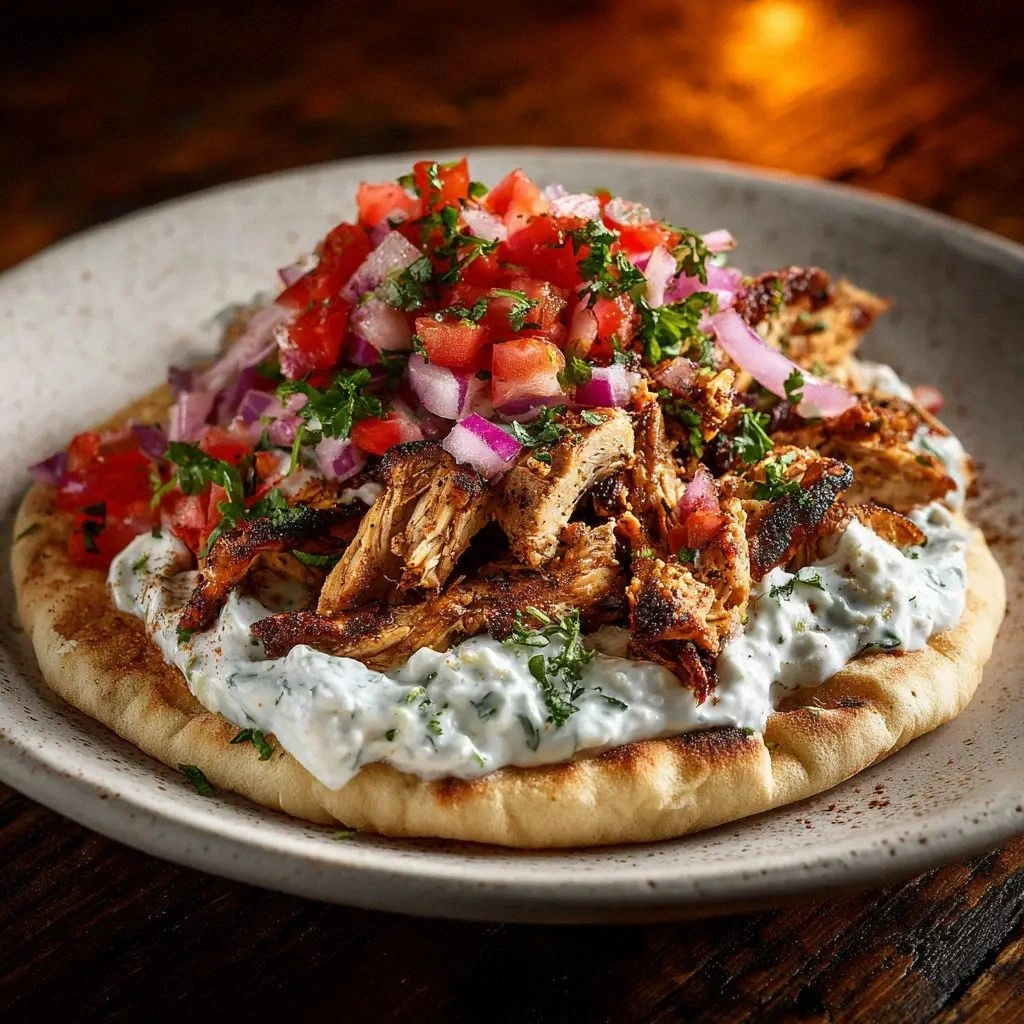
The toppings—sliced tomatoes, red onion, lettuce, and feta—are the final touch that brings everything together. The tomatoes add juiciness and a sweet tang, while the onion offers a sharp bite. Lettuce provides crunch, and feta delivers a salty, crumbly finish that rounds out the dish. If you’re craving a bit more heat, add a dash of crushed red pepper flakes. These ingredients are optional, but they’re what make a gyro feel complete.
Everything's prepped? Good. Let's get into the real action…
The Method — Step by Step
- Marinate the Chicken: In a large bowl, whisk together olive oil, 1/4 cup yogurt, lemon juice, minced garlic, oregano, salt, and pepper. Add the chicken thighs, ensuring each piece is coated. Cover and refrigerate for at least 30 minutes, ideally 2 hours for deeper flavor. The longer you marinate, the more tender the meat will become.
- Prepare the Tzatziki: In a small bowl, combine 1 cup yogurt, diced cucumber, minced garlic, chopped dill, lemon juice, and a pinch of salt. Stir until smooth. Cover and chill while the chicken marinates. This sauce should be cool and creamy, ready to cool the palate after each bite.
- Heat the Skillet: Place a heavy skillet over medium‑high heat. When the oil shimmers, add the marinated chicken pieces. Sear for 4–5 minutes per side, until the surface is golden and the internal temperature reaches 165°F (74°C). The chicken should emit a fragrant, toasty aroma that signals readiness.
- Rest the Chicken: Remove the chicken from the skillet and let it rest on a cutting board for 5 minutes. This step allows the juices to redistribute, ensuring every bite stays moist. The rest also lets the flavors meld, creating a deeper, more cohesive taste.
- Warm the Pitas: Place each pita on a hot skillet or directly over a flame for 30 seconds on each side, just until they’re pliable and lightly toasted. This step prevents the pita from becoming soggy when you add the moist ingredients.
- Slice the Chicken: After resting, cut the thighs into thin strips. This size ensures the chicken is easy to roll and each bite delivers a balanced mix of meat and sauce.
- Assemble the Gyros: Spread a generous spoonful of tzatziki onto each warm pita. Layer sliced chicken, tomatoes, onions, lettuce, and crumble feta on top. Fold the pita, secure with a toothpick if needed, and serve immediately.
- Enjoy: The moment you bite into that first gyro, you’ll feel a burst of citrus, herb, and creamy tang—pure magic. I promise, the texture will shatter like thin ice, and the flavors will linger long after the last bite.
That's it — you did it. But hold on, I've got a few more tricks that'll take this to another level…
Insider Tricks for Flawless Results
The Temperature Rule Nobody Follows
Many cooks think a high heat is the key to a great gyro, but the real secret is medium‑high heat that allows the chicken to sear without drying out. Keep the skillet at a steady temperature; if it starts smoking, lower the heat. A quick test: place a drop of water in the pan—if it sizzles and evaporates instantly, you’re ready.
Why Your Nose Knows Best
Before you start the final assembly, give the gyro a quick sniff. If the aroma leans too heavily toward the yogurt, it’s time to add more oregano or a splash of lemon juice. Your nose will guide you to the ideal balance of savory and fresh.
The 5-Minute Rest That Changes Everything
After searing, let the chicken rest for exactly five minutes. This pause allows the muscle fibers to relax, making the meat incredibly tender. A friend once skipped this step, and the result was chewy, dry thighs that ruined the entire dish.
The Pita Game Plan
If you’re using frozen pita, thaw it in the microwave for 10–15 seconds before warming. This prevents the pita from cracking and keeps the texture soft yet sturdy. A quick twist: wrap the pita in a damp towel while heating to trap steam and keep it moist.
The Tzatziki Trick
For a thicker sauce, strain the yogurt through a cheesecloth for 10 minutes before mixing. This creates a luscious, thick base that clings to the chicken and pita without dripping. If you prefer a lighter sauce, simply whisk in a splash of water to reach your desired consistency.
The Final Touch
Right before serving, drizzle a little extra olive oil over the assembled gyros. The oil adds a silky sheen and enhances the overall flavor profile, giving the dish that restaurant‑like finish.
Creative Twists and Variations
This recipe is a playground. Here are some of my favorite ways to switch things up:
Spicy Mediterranean Gyro
Add a teaspoon of harissa to the marinade for a smoky heat that pairs beautifully with the fresh herbs. Serve with a dollop of harissa‑yogurt for an extra kick.
Lemon‑Garlic Shrimp Gyro
Swap the chicken for shrimp, marinate in the same citrus‑herb mix, and grill for 2–3 minutes per side. The shrimp’s natural sweetness balances the tangy sauce.
Vegan Falafel Gyro
Use store‑bought or homemade falafel instead of meat, keep the same tzatziki, and top with fresh veggies. The chickpea base adds protein while staying plant‑based.
Mediterranean Stuffed Pita
Fill the pita with a generous amount of tzatziki, then add sliced chicken, tomatoes, and feta. The extra sauce turns the gyro into a stuffed pita, ideal for a hearty lunch.
Greek Salad Gyro
Replace the lettuce with a handful of romaine, add olives, and drizzle a vinaigrette over the top. The olives bring briny depth that complements the feta.
Sweet‑Spicy Gyro
Finish the gyro with a drizzle of honey‑spiced chili sauce. The sweetness counters the saltiness of the feta and the heat of the garlic.
Storing and Bringing It Back to Life
Fridge Storage
Store the marinated chicken in an airtight container for up to 48 hours. The yogurt in the sauce keeps the chicken moist, so you can grill or sauté it fresh when ready.
Freezer Friendly
Freeze the marinated chicken in a freezer‑safe bag for up to 2 months. Thaw overnight in the refrigerator, then cook as directed. The tzatziki can be frozen for up to 3 months; thaw in the fridge and stir before use.
Best Reheating Method
Reheat the cooked chicken in a skillet over medium heat, adding a splash of water to keep it moist. For the pita, wrap it in foil and warm in a 350°F oven for 5 minutes. A tiny splash of water before reheating the tzatziki will steam it back to perfection, preserving its creamy texture.