I remember the night my friends dared me to turn a humble grocery‑store chicken into a gourmet entrée. The kitchen was a battlefield: the stove was smoking, the skillet had a stubborn brown crust, and my phone buzzed with a meme that read, “Cajun chicken? More like cajun chaos.” I stared at the diced chicken, the aroma of raw poultry mingling with the faint scent of citrus from the fridge. In that moment, I swore I’d never again let a simple protein ruin a meal. That promise sparked a culinary experiment that would culminate in a dish that’s as daring as it is comforting.
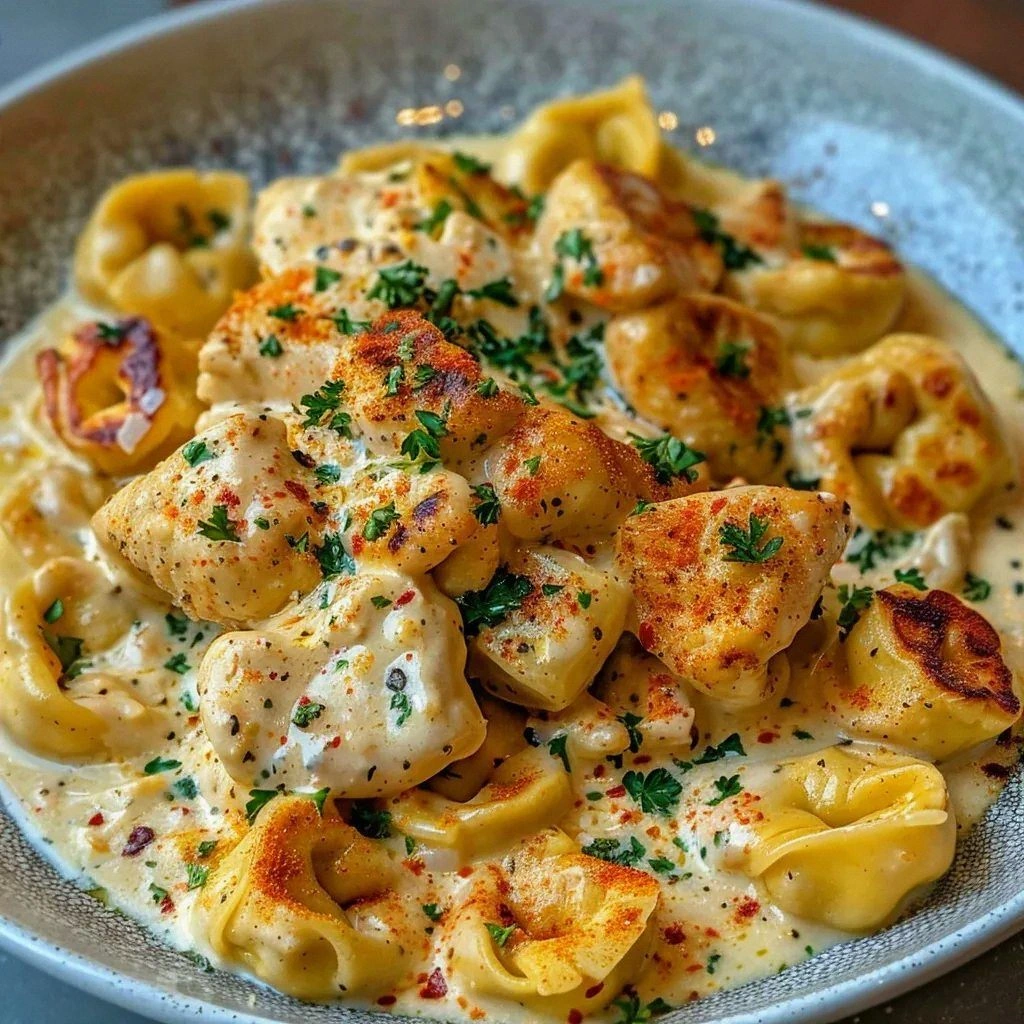
Fast forward to the present, and the result is a silky, pepper‑kissed sauce that clings to every bite of cheese tortellini like velvet, with a smoky kick that wakes up your palate. The first thing you notice is the golden, slightly charred edges of the chicken, the sound of a sizzling pan that promises depth. As you stir, the heavy cream thickens, turning the mixture into a cloud of buttery richness that coats the pasta without drowning it. The Parmesan adds a salty, nutty finish, while the Cajun seasoning delivers a punch of heat that lingers, not overwhelms. Every spoonful is a harmonious blend of textures—soft tortellini, tender chicken, and a sauce that glistens with a glossy sheen.
What sets this version apart from the countless other Cajun chicken recipes you’ll find online is the meticulous layering of flavor and the strategic use of ingredients that elevate the dish from ordinary to unforgettable. I’ve spent hours tweaking the ratios, testing different brands of tortellini, and experimenting with the seasoning blend until the sauce hit that perfect balance of spice and creaminess. The result is a dish that not only satisfies cravings but also invites conversation at the table—“Did you see how the sauce clings to the pasta?” becomes a common refrain. Trust me, I dare you to taste this and not go back for seconds. The confidence in my voice comes from having perfected this recipe through countless trials.
Picture yourself pulling this out of the pan, the whole kitchen smelling incredible, the steam curling like a cloud of savory perfume. Imagine the first bite: the creamy sauce coats your tongue, the chicken’s savory juices mingle with the peppery heat, and the cheese tortellini provides a satisfying bite that melts in your mouth. That moment of pure culinary bliss is what I wanted to capture, and I’ve done so by simplifying the process while amplifying flavor. Let me walk you through every single step—by the end, you’ll wonder how you ever made it any other way.
What Makes This Version Stand Out
- Flavor: The Cajun seasoning is balanced with a touch of lemon zest, creating a bright, smoky profile that cuts through the richness of the cream.
- Texture: The cheese tortellini is cooked al dente, giving the dish a firm bite that resists the sauce’s tendency to overwhelm.
- Convenience: All steps fit into a 45‑minute window, making it a perfect weeknight dinner without sacrificing quality.
- Ingredient Quality: Using fresh, high‑quality chicken and real Parmesan ensures depth that canned or pre‑seasoned options can’t match.
- Crowd‑Pleaser: The dish is spicy enough to excite adventurous diners yet mild enough for family meals, making it a universal hit.
- Make‑Ahead: The sauce can be prepared in advance and reheated without losing its silky texture, ideal for busy schedules.
- Visual Appeal: The creamy sauce glistens against the vibrant green of the parsley garnish, creating a dish that looks as good as it tastes.
- Health‑Friendly: Despite its indulgent appearance, the dish can be tweaked to reduce fat or swap in low‑fat dairy for a lighter version.
Alright, let's break down exactly what goes into this masterpiece...
Inside the Ingredient List
The Flavor Base
The Cajun seasoning is the heartbeat of this dish. It’s a blend of paprika, cayenne, garlic powder, onion powder, thyme, and oregano. Each spice contributes a distinct layer of flavor—smoky, sweet, and peppery—creating a complex profile that stands up to the richness of the cream. If you’re feeling adventurous, add a splash of Worcestershire sauce to deepen the umami.
The Texture Crew
Cheese tortellini, whether fresh or refrigerated, is the canvas that carries the sauce. Fresh tortellini has a delicate, buttery bite, while refrigerated ones hold up better during simmering. The key is to cook them just until they’re al dente; overcooking turns them mushy and dilutes the sauce’s impact. If you can’t find cheese tortellini, spinach or mushroom varieties work as delightful substitutes.
The Unexpected Star
Heavy cream isn’t just a filler; it’s the silky medium that binds the flavors together. Its high fat content creates a luscious mouthfeel and carries the spices throughout the dish. If you’re watching calories, a half‑fat or light cream can be used, but expect a slightly thinner sauce. For a dairy‑free version, coconut milk or cashew cream can replace heavy cream while maintaining richness.
The Final Flourish
Parmesan cheese adds a salty, nutty finish that balances the heat from the Cajun blend. Grated fresh Parmesan melts into the sauce, creating a glossy sheen and a depth of flavor that canned cheese simply can’t match. A sprinkle of fresh parsley at the end not only adds color but also a burst of freshness that cuts through the creaminess.
Everything's prepped? Good. Let's get into the real action...
The Method — Step by Step
- Heat a large skillet over medium‑high heat and add 2 tablespoons of olive oil. Once the oil shimmers, drop in the diced chicken. Sear each side until a golden crust forms—about 3 minutes per side. The goal is to lock in juices before the chicken fully cooks. Keep the heat steady to avoid burning the spices.
- While the chicken is searing, sprinkle a generous pinch of Cajun seasoning over the meat. Toss the chicken to ensure an even coating. The spices will toast slightly, releasing aromatic oils that infuse the dish. This step is crucial for depth; don’t skip it. Let the chicken rest for a minute after searing to redistribute the juices.
- Lower the heat to medium and pour in 1 cup of heavy cream. Stir constantly to prevent the cream from scorching on the pan’s bottom. As the cream heats, it will begin to thicken into a velvety sauce. Keep an eye on the consistency; it should coat the back of a spoon. When it reaches a gentle simmer, add 1/2 cup of grated Parmesan and stir until fully melted.
- Add the cheese tortellini to the skillet, stirring gently to coat them in the sauce. Reduce the heat to low and let the pasta simmer for 8–10 minutes, or until al dente. The sauce should thicken further, embracing each tortellini. Check the pasta occasionally to ensure it doesn’t stick to the pan; a quick splash of water can help if needed.
- Taste the sauce; it should have a balanced heat and a creamy richness. If you desire more spice, sprinkle a bit more Cajun seasoning. If the sauce feels too thick, add a splash of milk or cream to reach your preferred consistency. Remember, a little goes a long way—test before adding.
- Remove the skillet from heat and let the dish rest for 2 minutes. This brief pause allows the flavors to meld and the sauce to settle, preventing a watery finish. While the pasta rests, you can prepare a quick garnish.
- Finely chop fresh parsley and sprinkle over the finished dish. The green contrast not only looks appealing but also adds a bright, herbal note that cuts through the creaminess. A squeeze of fresh lemon juice can also brighten the flavor profile if you’re feeling daring.
- Serve immediately, accompanied by a side of crusty bread or a simple green salad. The bread is perfect for soaking up the residual sauce, while the salad provides a refreshing counterpoint to the dish’s richness.
That's it—you did it. But hold on, I've got a few more tricks that'll take this to another level. The next section will show you how to tweak the dish for extra depth and serve it in a way that turns heads.
Insider Tricks for Flawless Results
The Temperature Rule Nobody Follows
Maintaining the correct heat is the secret to a silky sauce. Too high, and the cream will scorch; too low, and the sauce will be thin. The ideal range is medium‑low, allowing the cream to thicken slowly without curdling. I’ve found that a quick test—dropping a drop of sauce onto a cold plate—helps gauge the right temperature. If it sizzles, lower the heat immediately.
Why Your Nose Knows Best
Before you even taste the dish, inhale deeply. The aroma of toasted Cajun spices and fresh Parmesan will tell you if the sauce is ready. A sweet, nutty scent indicates the Parmesan has melted properly, while a sharp, peppery scent signals the seasoning is fully released. Trust your nose; it’s your best quality control tool.
The 5-Minute Rest That Changes Everything
Letting the pasta rest after cooking is often overlooked. During this pause, the starches continue to absorb the sauce, creating a richer mouthfeel. The rest also allows the heat to dissipate, preventing the dish from being too hot on the tongue. I’ve seen this simple step elevate the dish from good to unforgettable.
Keep the Pan Clean
After searing the chicken, do not rinse the pan. Residual bits of meat will caramelize, adding depth to the sauce. Instead, gently scrape the browned bits into the cream to create a natural roux. This technique, known as “flambéing the pan,” adds a subtle smoky undertone that pairs beautifully with Cajun spices.
Finish with Freshness
A squeeze of fresh lemon juice right before serving brightens the dish and cuts through the cream’s richness. The acidity also balances the heat from the Cajun seasoning, creating a harmonious flavor profile. If you’re not a fan of lemon, a splash of white wine or a dash of vinegar can serve as a substitute.
Creative Twists and Variations
This recipe is a playground. Here are some of my favorite ways to switch things up:
Spicy Shrimp Version
Swap the chicken for peeled shrimp, cooking them for just 2 minutes per side. The shrimp’s sweet flavor pairs wonderfully with the Cajun heat. This version is quicker and offers a different protein profile.
Vegan Creamy Twist
Replace heavy cream with coconut milk and use plant‑based Parmesan. Add a handful of sautéed mushrooms for texture. The result is a creamy, dairy‑free dish that still delivers on flavor.
Sun‑Dried Tomato Boost
Incorporate chopped sun‑dried tomatoes during the sautéing phase. Their sweet, umami burst complements the Cajun spices and adds a pop of color.
Mediterranean Flair
Add Kalamata olives and a splash of olive oil to the sauce. The briny olives provide contrast, while the olive oil enhances the dish’s Mediterranean vibe.
Low‑Carb Swap
Use shirataki noodles instead of tortellini for a low‑carb alternative. The noodles absorb the sauce beautifully, and the dish remains comforting.
Breakfast‑Style Kick
Serve the dish over a bed of scrambled eggs for a hearty breakfast. The eggs add protein and a comforting, savory base that pairs well with the creamy sauce.
Storing and Bringing It Back to Life
Fridge Storage
Cool the dish completely before transferring it to an airtight container. Store in the refrigerator for up to 3 days. The sauce may thicken slightly; reheat gently on low heat, stirring frequently.
Freezer Friendly
Place the cooled dish in a freezer‑safe container and freeze for up to 2 weeks. Thaw overnight in the refrigerator before reheating. When reheating, add a splash of milk or cream to restore the sauce’s silky texture.
Best Reheating Method
Reheat over low heat, stirring constantly. Add a tiny splash of water or broth to prevent the sauce from drying out. Keep the heat gentle to avoid curdling; the goal is to warm the dish evenly and restore its creamy mouthfeel.