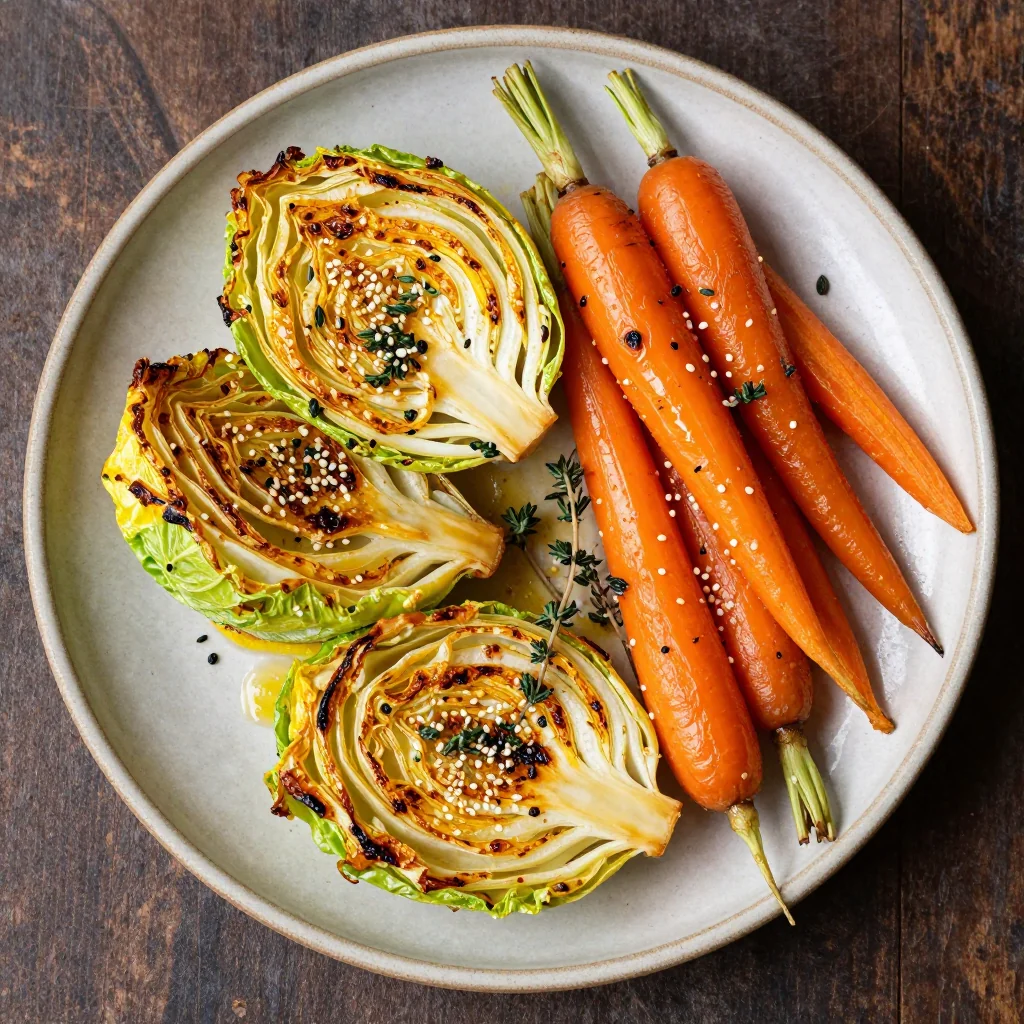
Love this? Pin it for later! 📌
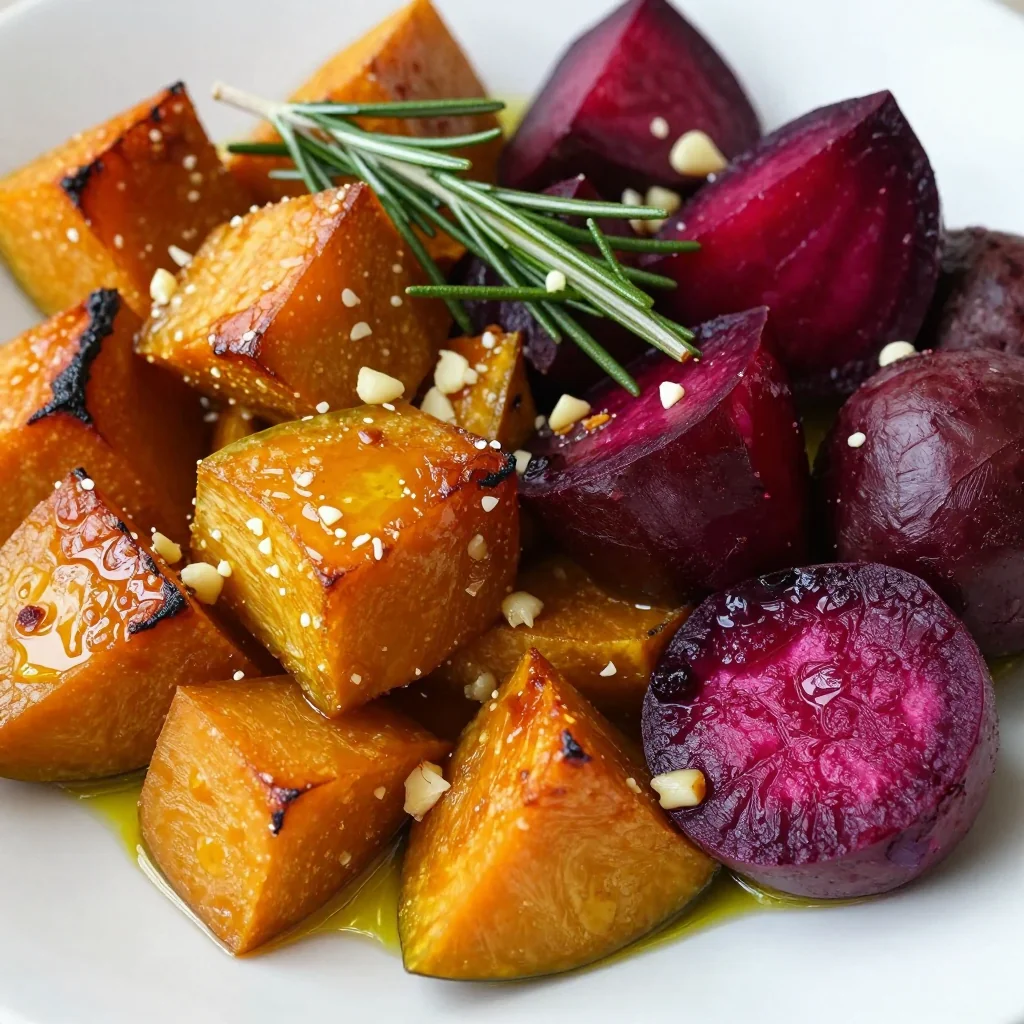
Last Tuesday, the sky hung low and pewter-gray over my kitchen windows, the kind of afternoon that begs for the oven’s warmth and the perfume of garlic drifting through the house. I had half a head of savoy cabbage, a few heirloom carrots tangled with dirt from the farmers’ market, and a single parsnip that looked like a snowy white carrot on steroids. Nothing glamorous—until I sliced everything into thick planks, showered the vegetables with bright lemon zest, and let them roast into caramelized perfection. One bite and I was transported from drizzly Portland to a sun-drenched Mediterranean hillside: the cabbage edges frizzled into smoky sweetness, the parsnips almost honeyed, and the carrots blistered into carrot-candy. My teenager—who claims vegetables are “a sometimes food”—walked in, snitched a wedge straight from the sheet pan, and asked if we could have “that lemon-garlic stuff” every week. That’s the moment I knew this dish deserved a permanent place in the week-night rotation. It’s humble enough for a solo Tuesday supper yet dramatic enough to anchor a vegetarian dinner party, especially when you serve it over lemony quinoa or beside a slab of herbed tofu.
Why This Recipe Works
- One-pan wonder: Everything roasts together, meaning fewer dishes and deeper flavor as the vegetables share their sugars.
- High-heat caramelization: 425 °F (220 °C) coaxes out natural sweetness without added sugar.
- Lemon two ways: Zest before roasting for perfume, fresh juice after for brightness.
- Garlic paste: Micro-grated garlic sticks to every crevice so you get mellow, toasty flavor in every bite.
- High-fiber satisfaction: Cabbage plus root vegetables deliver nearly 10 g fiber per serving—perfect for plant-powered fullness.
- Meal-prep friendly: Holds beautifully for four days, and the flavors deepen overnight.
- Budget brilliance: Cabbage, carrots, and parsnips are some of the most affordable produce in any season.
Ingredients You'll Need
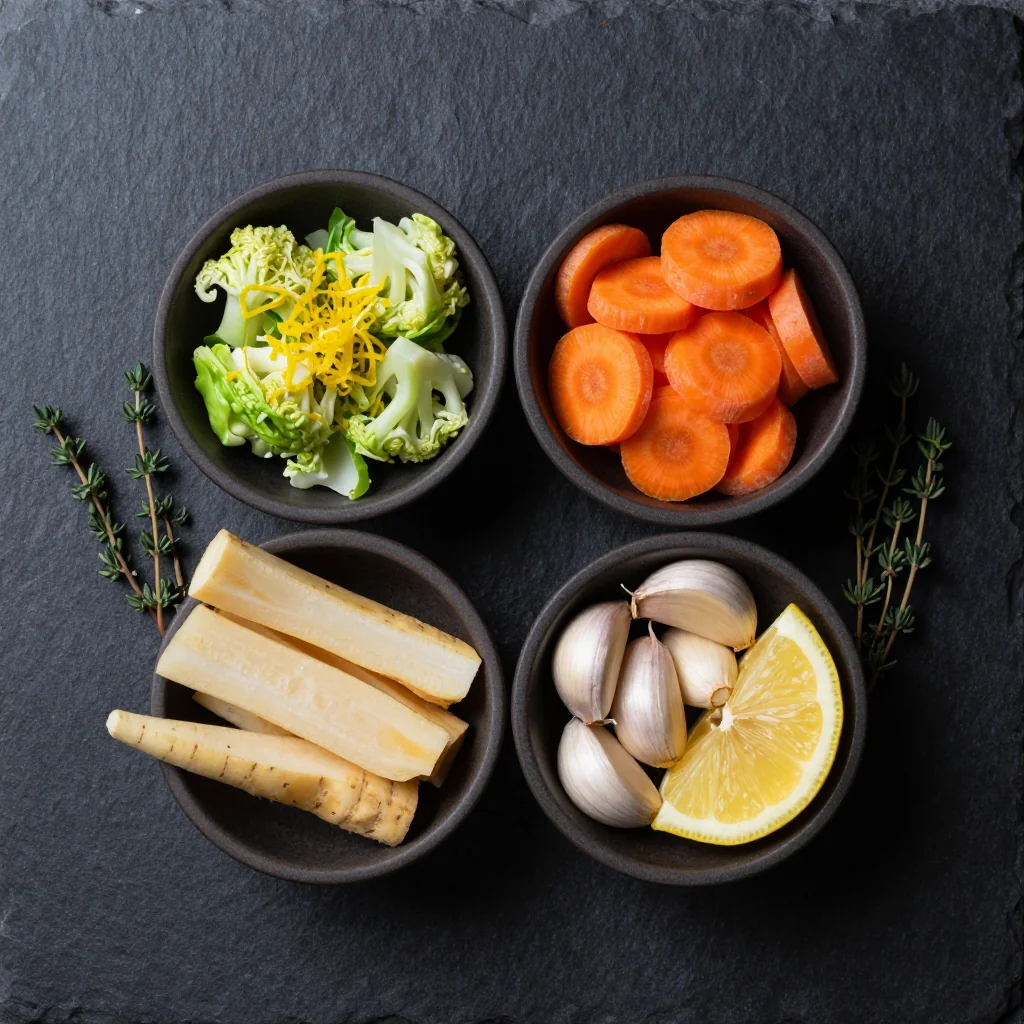
I always start in the produce aisle, hunting for a cabbage that feels heavy for its size with tightly furled, crisp leaves. Savoy is my favorite here—the crinkled texture grabs seasoning like built-in pockets of flavor—but a standard green or even red cabbage works. Look for carrots with the tops still attached; they’re a signal of freshness and translate to snappier texture after roasting. Parsnips should be firm, not shriveled; if they’re wider at the crown, simply quarter the thick end so every piece roasts evenly.
Extra-virgin olive oil is the backbone fat; its fruity notes stand up to high heat and pair naturally with lemon and garlic. Speaking of garlic, I micro-plane it into a wet paste so it dissolves into the oil and adheres to the vegetables—no burnt garlic chips, just mellow sweetness. You’ll need two lemons: zest the first for an aromatic base layer, then finish with a squeeze of the second just before serving so the citrus oils stay lively.
For a salty, umami pop I add a whisper of white miso; it melts into the oil and quietly amplifies the savoriness of every vegetable. If you’re soy-free, substitute a pinch of nutritional yeast or simply rely on kosher salt and freshly cracked pepper. A final snowfall of toasted sesame seeds adds nutty crunch, but you could swap chopped toasted almonds or pumpkin seeds depending on what’s lurking in your pantry.
How to Make Healthy Lemon and Garlic Roasted Cabbage with Carrots and Parsnips
Preheat and prep the sheet pan
Position a rack in the center of the oven and preheat to 425 °F (220 °C). Line a large rimmed baking sheet with parchment for zero sticking and effortless cleanup. If your pan is smaller than 13 × 18 inches, divide the vegetables between two pans; overcrowding causes steam, and we want caramelization.
Make the lemon-garlic elixir
In a small bowl, whisk together 3 Tbsp extra-virgin olive oil, 2 tsp white miso, 2 cloves garlic grated into a paste, and the finely grated zest of 1 unwaxed lemon. The mixture will be thick and glossy; thin it with 1 tsp water if necessary so it can be brushed or drizzled.
Slice the cabbage into steaks
Remove any tatty outer leaves from half a medium savoy cabbage (about 1 lb). Cut the half into 1-inch-thick slabs, keeping the core intact; it acts as a “handle” and prevents the leaves from falling apart. You should get 3 to 4 generous wedges.
Prep the roots
Peel 4 medium carrots and 2 medium parsnips. Cut them on a sharp bias into ½-inch coins; the angled surface maximizes browning. If your parsnip has a woody core, slice it out and save for stock. Pat everything very dry—excess moisture is the enemy of crisp edges.
Coat evenly
Arrange cabbage wedges and root coins on the sheet pan. Brush or spoon two-thirds of the lemon-garlic mixture over all surfaces, making sure it seeps between cabbage crinkles. Reserve the rest for later. Season generously with ½ tsp kosher salt and ¼ tsp freshly ground black pepper.
Roast undisturbed
Slide the pan into the oven and roast for 20 minutes. Resist the urge to flip early; the vegetables need uninterrupted contact with hot metal to develop those mahogany edges.
Flip and finish
Using a thin metal spatula, gently turn the cabbage and toss the carrots and parsnips. Brush with the remaining lemon-garlic elixir for a second layer of flavor. Roast another 12–15 minutes, until the cabbage cores are tender when pierced with a knife and the vegetables are bronzed.
Brighten and serve
Transfer to a platter. Squeeze the juice of half a lemon over the hot vegetables, sprinkle with 2 Tbsp toasted sesame seeds and a shower of fresh parsley. Serve immediately for maximum textural contrast, or let it cool to room temperature for a picnic-worthy side.
Expert Tips
Preheat the pan
Pop your empty sheet pan into the oven while it heats. When the vegetables hit that scorching surface they sizzle immediately, jump-starting caramelization.
Dry equals crisp
After washing, roll your vegetables in a clean kitchen towel and press gently. Any lingering water will create steam and inhibit browning.
Double the glaze
If you love bold flavor, whisk up a second batch of the lemon-garlic mixture and drizzle it over just before serving for a fresh, zippy top note.
Use convection if you’ve got it
A convection setting improves air circulation, shaving 3–4 minutes off the cook time and delivering more even browning.
Keep the core
Leaving a bit of the cabbage core attached holds the leaves together, so you get Instagram-worthy wedges instead of unruly ribbons.
Color pop
Mix rainbow carrots—yellow, purple, and orange—for a confetti effect that makes the platter look celebratory without extra effort.
Variations to Try
- 1Smoky Paprika: Swap the miso for 1 tsp Spanish smoked paprika and ½ tsp maple syrup. The sweet-smoky combo tastes like vacation on a plate.
- 2Asian-Inspired: Replace olive oil with toasted sesame oil, use rice vinegar instead of lemon juice, and finish with sesame seeds and scallions.
- 3Protein Boost: Toss a drained can of chickpeas in the same glaze and scatter them around the vegetables for the final 15 minutes of roasting.
- 4Spicy Kick: Stir ¼ tsp red-pepper flakes into the glaze, or drizzle with chili-crisp oil before serving.
- 5Autumn Remix: Sub half the carrots for cubes of butternut squash; add fresh thyme sprigs and roast as directed.
Storage Tips
Let leftovers cool completely, then pack into airtight glass containers. Refrigerate up to four days; the flavors actually meld and intensify overnight. To reheat, spread on a sheet pan, cover loosely with foil, and warm in a 400 °F (200 °C) oven for 8–10 minutes. A quick blast under the broiler for the final minute revives the crisp edges. You can also microwave individual portions for 60–90 seconds, though you’ll sacrifice some texture.
This medley freezes surprisingly well: portion into silicone muffin cups, freeze until solid, then transfer to a zip-top bag for up to two months. Thaw overnight in the fridge and reheat in a hot skillet with a splash of water to create steam and loosen the glaze.
Frequently Asked Questions
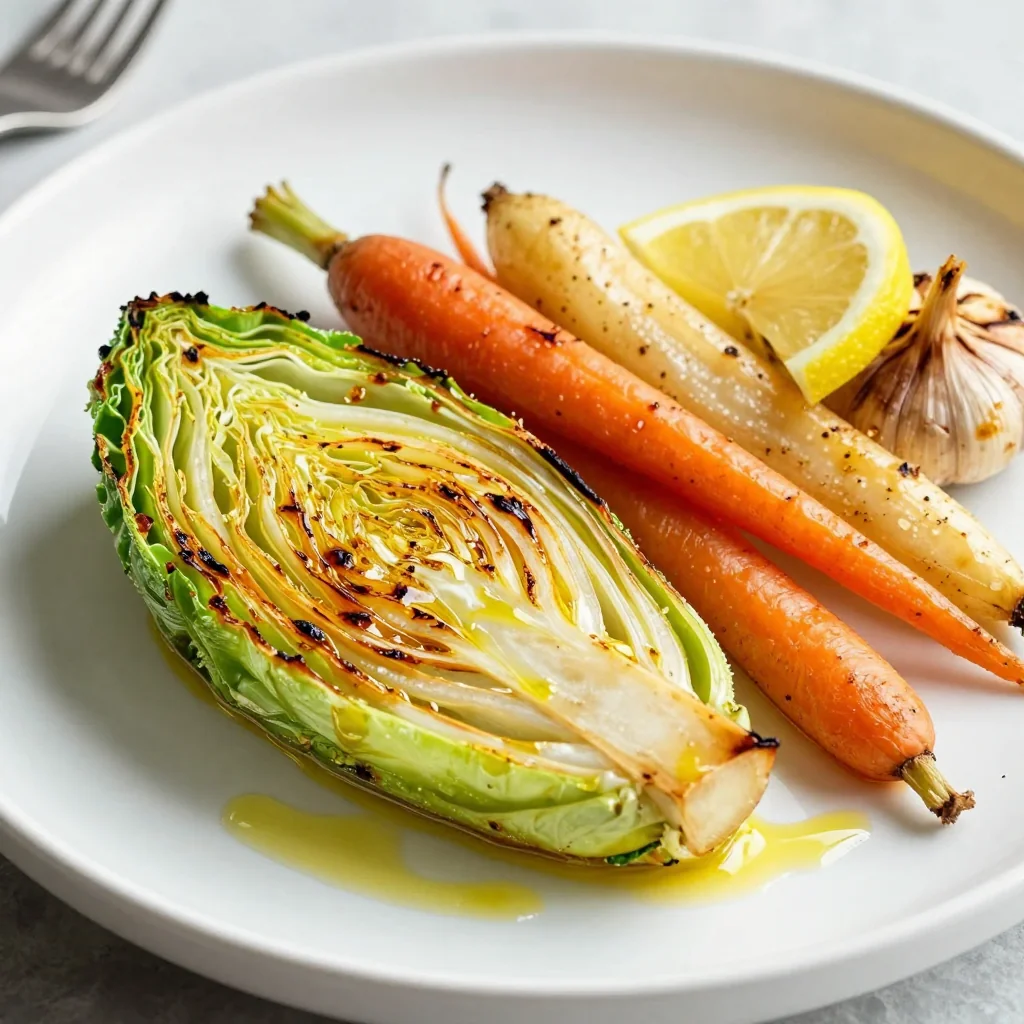
healthy lemon and garlic roasted cabbage with carrots and parsnips
Ingredients
Instructions
- Preheat: Preheat oven to 425 °F (220 °C). Line a large rimmed sheet pan with parchment.
- Make glaze: Whisk olive oil, miso, garlic, and lemon zest until smooth.
- Prep vegetables: Slice cabbage into 1-inch steaks; pat dry. Cut carrots and parsnips into ½-inch bias coins.
- Season: Arrange vegetables on pan. Brush with two-thirds of the glaze; season with salt and pepper.
- Roast: Roast 20 minutes, flip vegetables, brush with remaining glaze, and roast 12–15 minutes more until browned and tender.
- Finish: Squeeze lemon juice over top, sprinkle with sesame seeds and parsley. Serve hot or at room temperature.
Recipe Notes
For extra protein, add a drained 15-oz can of chickpeas to the pan during the final 15 minutes of roasting.