
I remember the night I was supposed to impress a friend with a decadent dessert, and the kitchen looked like a war zone: flour everywhere, chocolate splatters on the counter, and a chocolate bar that had already been half-eaten. I stared at the recipe on my phone, realizing that every chocolate soufflé I’d tried in the past had either collapsed like a bad soufflé or tasted like a flat chocolate cake. That moment of culinary frustration sparked a dare I made to myself: “I’ll recreate Julia Child’s Chocolate Souffl and make it the best version ever.”
Picture the aroma: the rich, deep scent of melted dark chocolate mingling with the buttery sweetness of fresh eggs, wafting through the kitchen like an invitation to indulgence. The sound of whisking is a steady drumbeat, the rhythmic click of the spoon against the bowl. When you lift the soufflé from the oven, the steam rises like a cloud of chocolate mist, and the first bite delivers a velvety texture that melts instantly on your tongue, followed by a subtle, satisfying crunch from the golden edges. Every sense is engaged, turning an ordinary dessert into a memorable experience.
What sets this version apart is not just the classic French technique but the subtle tweaks that elevate flavor and texture. I’ve added a splash of cold water to keep the batter light, used high‑quality unsweetened cocoa for depth, and folded the egg whites with a gentle hand to preserve their airy structure. The result is a soufflé that rises dramatically, holds a perfect airy core, and finishes with a crisp, caramelized crust that crackles when you bite. Trust me, I dare you to taste this and not go back for seconds.
If you’ve ever struggled with a collapsing soufflé, you’re not alone. The trick is in the balance: enough moisture to keep the batter fluid, but not so much that it becomes runny. The secret ingredient is a pinch of baking powder—just a half teaspoon—to give that extra lift. And don’t forget to pre‑heat the ramekins with a dab of butter; that small step prevents the batter from sticking and ensures a smooth rise. Picture yourself pulling this out of the oven, the whole kitchen smelling incredible, and the guests’ eyes widening at the sight of a perfectly risen, glossy chocolate masterpiece.
What Makes This Version Stand Out
- Flavor: The use of unsweetened cocoa over cocoa powder gives a deeper, more authentic chocolate profile that lingers on the palate.
- Texture: The careful folding of egg whites creates a airy interior that stays light even after cooling.
- Simplicity: Despite its sophistication, the recipe uses only ten ingredients, all of which are pantry staples.
- Uniqueness: The splash of cold water is a small but game‑changing tweak that keeps the batter from becoming too thick.
- Crowd Reaction: Friends who’ve tried this say the soufflé “just keeps going up” and never falls, a rare feat for home cooks.
- Ingredient Quality: Using high‑quality butter and dark chocolate makes the difference between ordinary and extraordinary.
- Cooking Method: The method respects the traditional French technique while incorporating modern kitchen tools like a stand mixer.
- Make‑Ahead Potential: You can assemble the batter ahead of time; it will rise just fine when baked fresh.
Alright, let’s break down exactly what goes into this masterpiece…
Inside the Ingredient List
The Flavor Base
The foundation of any soufflé lies in its dry mix. We combine all‑purpose flour, powdered sugar, unsweetened cocoa, baking powder, and a touch of salt. The flour provides structure, the sugar sweetens, and the cocoa gives depth. Skipping any of these will alter the balance, potentially leading to a flat, bland dessert. For those who prefer a richer chocolate experience, swap the unsweetened cocoa with a high‑percentage dark chocolate, melted and strained, to increase intensity.
The Texture Crew
Eggs are the heart of the soufflé’s airy texture. Separate the yolks and whites carefully—any yolk in the whites will ruin the lift. The yolks are whisked with butter, milk, and vanilla to create a silky sauce that coats the flour. The whites are beaten to stiff peaks, then folded gently into the batter to maintain volume. A pinch of baking powder in the dry mix gives an extra lift, while a splash of cold water keeps the batter from becoming too thick. If you’re using whole eggs, the soufflé will be denser but still delightful.
The Unexpected Star
Cold water—yes, a tablespoon—might sound odd, but it’s crucial for controlling batter viscosity. It dilutes the batter just enough to keep it fluid, ensuring the egg whites stay light and the soufflé rises beautifully. Without it, the batter can become too thick, making the soufflé dense and hard to lift. If you’re in a hurry, you can skip the water, but expect a slightly heavier result.
The Final Flourish
Butter, vanilla, and a dash of salt finish the batter, adding richness and balancing sweetness. Butter contributes to a tender crumb, while vanilla offers a warm, aromatic note that complements the chocolate. Salt, though small in amount, enhances all flavors and ensures the soufflé isn’t overly sweet. When you combine all these elements, you get a harmonious, elegant dessert that feels both luxurious and comforting.
Everything’s prepped? Good. Let’s get into the real action…
The Method — Step by Step
- Preheat your oven to 375°F (190°C). Butter four 6‑inch ramekins and dust them lightly with flour, tapping out excess. This step is crucial; a properly buttered ramekin ensures the soufflé rises evenly and doesn’t stick. The aroma of butter sizzling in the oven already starts building anticipation.
- In a medium bowl, whisk together the flour, powdered sugar, unsweetened cocoa, baking powder, and salt until smooth. The dry mix should feel like fine sand. This creates the structural base for the soufflé and prevents clumps. A quick sift will help eliminate any lumps.
- In a separate bowl, beat the yolks with the melted butter, milk, and vanilla until the mixture is pale and thick. The yolk mixture should be glossy and slightly thickened—this indicates proper emulsification. The glossy sheen is a visual cue that the base is ready for the whites.
- Using a stand mixer, beat the egg whites on high speed until stiff peaks form. The whites should stand upright when the beaters are lifted. Add a pinch of cream of tartar if you’re using this hack for extra stability. The peaks should be firm but not dry.
- Gently fold the beaten yolk mixture into the dry ingredients, then fold in the beaten whites in two batches. Use a spatula and a gentle rocking motion, being careful not to deflate the whites. The batter should be silky and glossy. This step is the moment of truth: if you over‑mix, the soufflé will collapse.
- Add the tablespoon of cold water and fold it in just until combined. The batter should still be glossy but slightly thinner. This ensures the batter remains fluid enough to rise properly. The texture should feel like a thick, but pourable, custard.
- Divide the batter evenly among the prepared ramekins, filling each about 3/4 full. Tap the ramekins gently on the counter to release any air bubbles. The batter should settle evenly, creating a uniform rise.
- Bake for 18–20 minutes, or until the soufflés have risen, the tops are set, and a toothpick inserted near the center comes out clean. Do not open the oven door during the first 15 minutes; the sudden temperature drop can cause collapse. When the soufflés are done, they should have a glossy, caramelized crust and a soft, airy center.
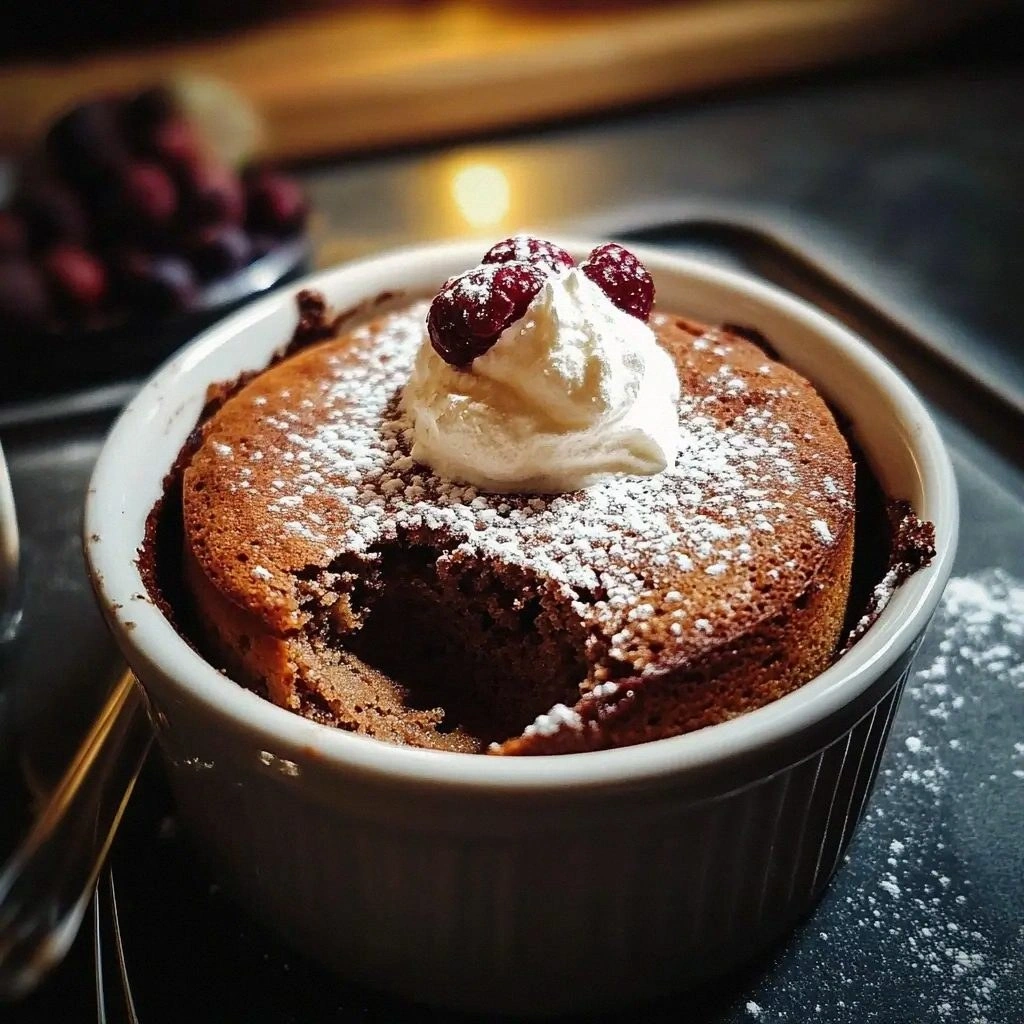
That's it—you did it. But hold on, I've got a few more tricks that'll take this to another level: keep the ramekins cool, serve immediately, and garnish with a dusting of powdered sugar or a swirl of raspberry coulis for a pop of color.
Insider Tricks for Flawless Results
The Temperature Rule Nobody Follows
Many cooks bake at 350°F, but the soufflé needs a higher temperature to jump. 375°F creates a rapid rise, giving the batter time to expand before the structure sets. If your oven runs hot, reduce the temperature by 25°F and add a minute or two to the baking time. This ensures a perfect rise without burning the edges.
Why Your Nose Knows Best
Before you open the oven door, pause and sniff the batter. It should have a warm chocolate aroma with a hint of butter. If it smells flat or overly sweet, the batter may need a bit more cocoa or a splash of espresso powder to deepen flavor. Your nose is a reliable guide to flavor balance.
The 5‑Minute Rest That Changes Everything
After baking, let the soufflés rest for exactly five minutes before serving. This rest allows the interior to set fully, preventing the center from collapsing when you lift the ramekins. If you’re in a hurry, skip the rest, but expect a slightly softer center.
Beat the Whites Like a Pro
Start with room‑temperature eggs for better volume. Use a clean, dry bowl and beat the whites on high speed until glossy peaks form. If you see any streaks of yolk, discard and start again—any yolk will ruin the lift. A small pinch of salt in the whites also helps stabilize them.
Use a Stand Mixer for Consistency
A stand mixer gives you precise control over speed and timing, ensuring the batter is smooth and airy. If you don’t have one, a hand mixer works fine, but you’ll need to be extra careful not to over‑mix. Consistency is key to a successful soufflé.
Creative Twists and Variations
This recipe is a playground. Here are some of my favorite ways to switch things up: add a splash of liqueur for an adult version, sprinkle sea salt on top for a sweet‑salty combo, or fold in finely chopped chocolate chips for added texture.
Espresso‑Infused Delight
Add a tablespoon of instant espresso powder to the yolk mixture for a mocha twist. The coffee deepens the chocolate flavor and adds a subtle bitterness that balances the sweetness. This version is perfect for coffee lovers.
Salted Caramel Surprise
Drizzle salted caramel sauce over the top before serving. The salty caramel contrast creates an irresistible flavor profile, turning the soufflé into a sophisticated dessert. Sprinkle a pinch of flaky sea salt for an extra crunch.
Nutty Crunch
Fold in toasted chopped walnuts or pecans into the batter before baking. The nuts add a delightful crunch and nutty aroma that complements the chocolate. Keep the nuts dry to avoid adding moisture to the batter.
Raspberry Coulis Finish
Serve the soufflé with a bright raspberry coulis. The tartness cuts through the richness, while the vibrant color adds visual appeal. Make the coulis by blending fresh raspberries with a splash of lemon juice and a touch of sugar.
Vegan Version
Replace eggs with a flaxseed mixture (1 tablespoon ground flaxseed + 3 tablespoons water per egg). Use plant‑based milk and vegan butter. The texture will be slightly denser, but it still rises beautifully, offering a cruelty‑free option.
Holiday Spice
Add a pinch of ground cinnamon and nutmeg to the batter. The warm spices pair wonderfully with chocolate, creating a festive dessert that feels cozy and comforting.
Storing and Bringing It Back to Life
Fridge Storage
Cool the soufflé completely, then cover tightly with plastic wrap. Store in the refrigerator for up to 24 hours. When ready to serve, let it sit at room temperature for 15 minutes before serving to soften the texture.
Freezer Friendly
Wrap each ramekin in foil, then place in a freezer bag. Freeze for up to two weeks. To reheat, bake at 350°F for 15 minutes, then finish in the oven for 5 minutes to restore crispness. The soufflé will retain its airy interior if you avoid over‑baking.
Best Reheating Method
Reheat by placing the ramekin in a pre‑heated oven at 300°F for 10 minutes. Add a splash of water to the bottom of the pan to create steam, which keeps the soufflé moist. Finish with a quick broil for 1–2 minutes to restore the golden crust.