Love this? Pin it for later! 📌
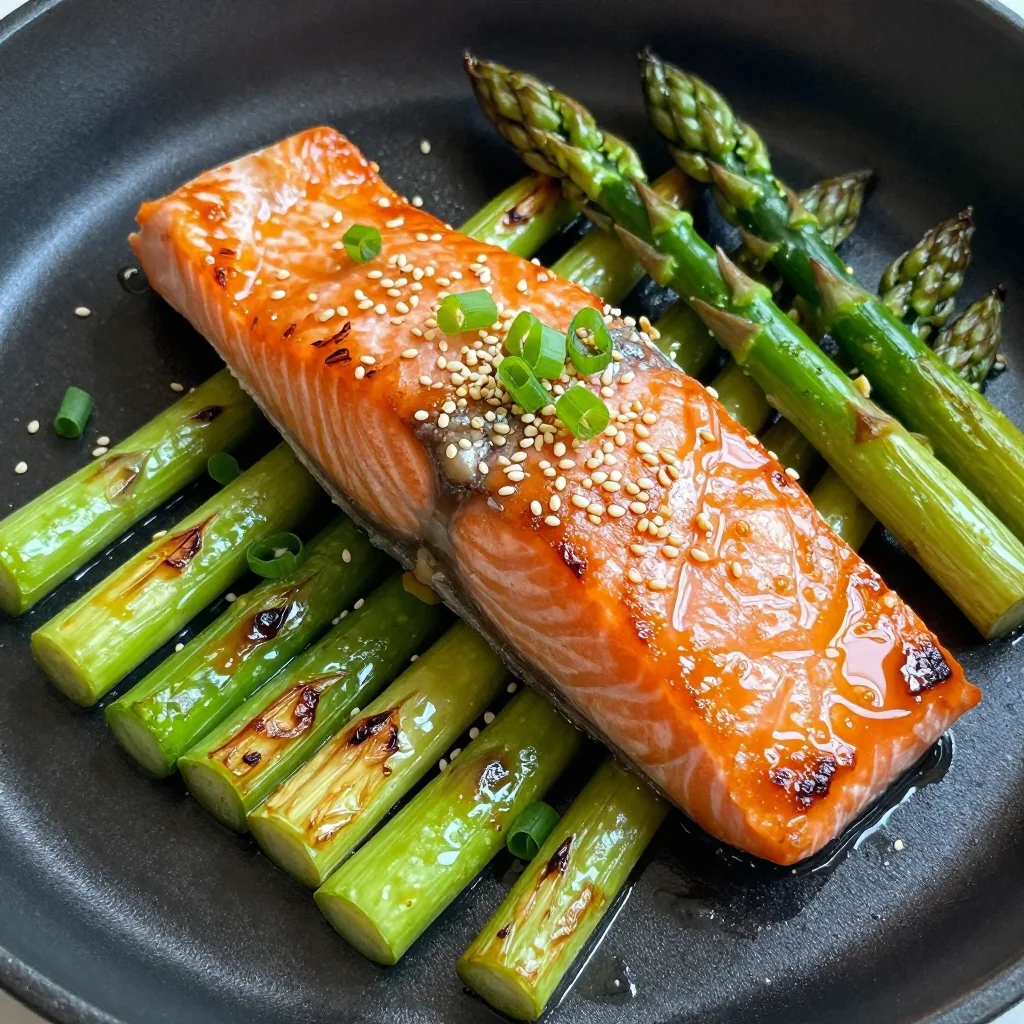
I first threw this together on a blustery Tuesday when the Christmas tree was finally dragged to the curb and the refrigerator was a graveyard of half-used herbs. One cutting board, one rimmed pan, and twenty-five minutes later I was standing at the island, flaky salmon sliding effortlessly off my fork while the smell of lemon zest and fresh dill perfumed the air. My jeans still fit post-holidays, but my spirit felt lighter—proof that nourishment doesn’t have to be complicated to be transformative.
Since then, this recipe has become my January tradition. I make it the night I pack away the last glittery ornament; I make it when friends text “I need healthy but I need easy”; I make it when the sun sets at 4:47 p.m. and I need color on my plate as much as in my life. It’s week-night friendly, meal-prep friendly, and—most importantly—resolution friendly without tasting like penance. If you, too, are flirting with the idea of eating more omega-3s, crowding more vegetables onto the tray, and doing dishes only once, pull up a chair. Dinner is about to feel like the first fresh page of a brand-new calendar.
Why This Recipe Works
- One pan, zero fuss: Everything roasts together while you change into comfy clothes.
- Perfectly timed: Salmon stays silky, asparagus stays snappy, cherry tomatoes blister into sweet gems.
- Balanced macros: 30 g+ of protein, heart-healthy fats, and fiber-rich veg in every plate.
- Prep-ahead friendly: Chop the morning of, then just slide the tray into the oven.
- Vibrant flavor without the salt load: Citrus, herbs, and garlic do the heavy lifting.
- Scalable: Halve for solo nights or double for Sunday supper with friends.
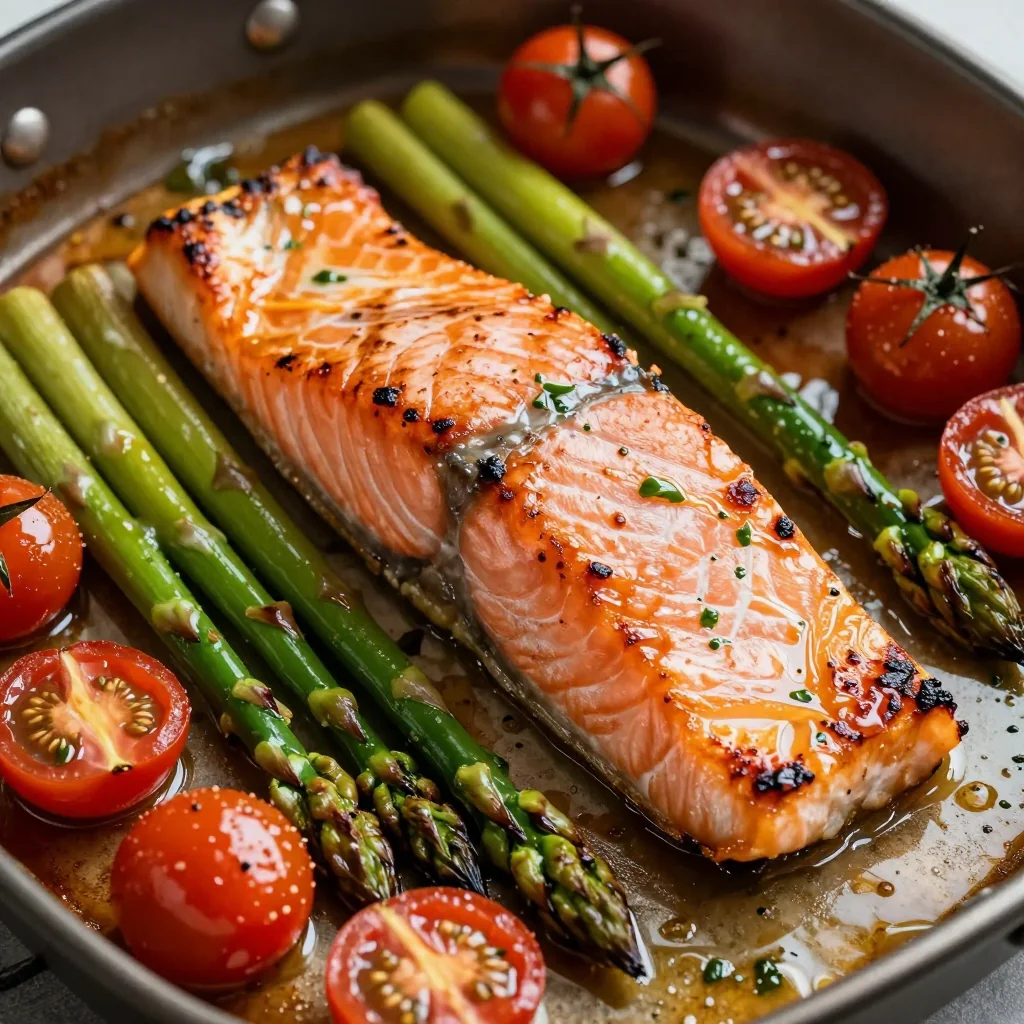
- Color therapy: Emerald asparagus, coral salmon, ruby tomatoes—January never saw it coming.
Ingredients You'll Need
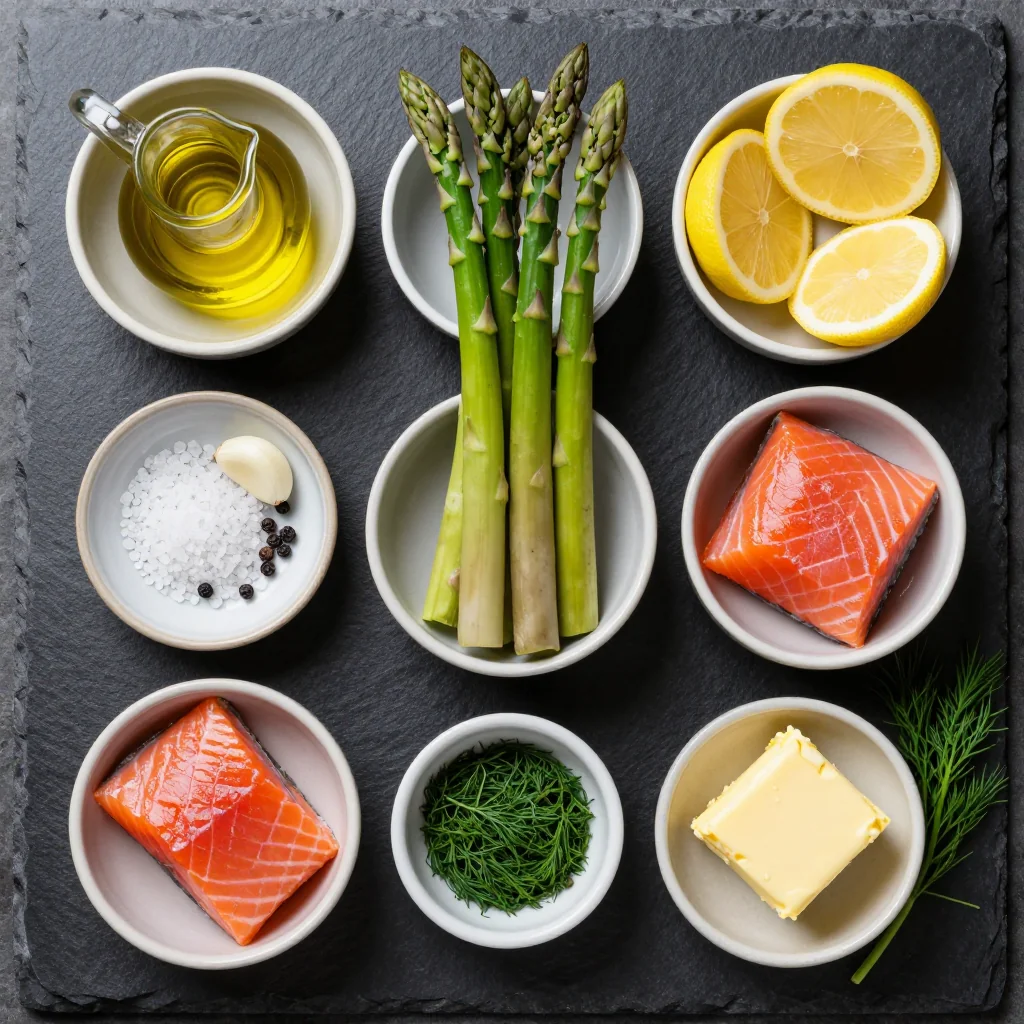
Great sheet-pan dinners start with great shopping. Below is my field guide to choosing each component so your finished plate tastes like you went to culinary school—even if the only thing you aced was snacking.
Salmon: Look for center-cut fillets that are the same thickness from end to end (about 1 inch). That symmetry means the thick and thin parts cook evenly, so you’re not left with overdone tail pieces while the center is still translucent. Wild-caught Coho or King delivers the cleanest flavor, but responsibly farmed Atlantic is perfectly acceptable if the price of wild makes you wince. Slide your finger across the flesh; it should feel firm, not mushy, and smell like the cold ocean, not “fishy.” If you’re buying from a fish counter, ask them to remove pin bones so you’re not tweezing at 7 p.m.
Asparagus: January stalks are typically plump and snappy. Choose spears that are uniform in width so they roast at the same rate. The tips should be compact and tightly closed, never flowering or mushy. Store them like flowers: trim the bottoms and stand the bunch in an inch of water with a plastic bag tented over the tops; they’ll stay perky for four days.
Cherry Tomatoes: Off-season tomatoes can be bland, so I splurge on heirloom cherries or the diminutive “sugar drop” variety. They’re sweet enough to burst and self-sauce the vegetables underneath.
Lemon: Organic, if possible, because you’re using the zest. Bright yellow skin with zero green patches equals maximum essential oil, which translates to big aroma without extra sodium.
Garlic: Fresh cloves, never the pre-minced jar. You’re roasting at high heat, and jarred garlic tends to burn bitter.
Olive Oil: A good everyday extra-virgin is perfect. You need just enough to help seasonings adhere and encourage browning. Save the pricey finishing oil for salads.
Fresh Dill: Delicate and citrusy, dill loves salmon. If you can’t find it, tarragon or parsley will dance happily in its place. (Dried dill works in a pinch—use ⅓ the amount.)
Sea Salt & Pepper: I keep flaky sea salt in a ramekin by the stove for finishing; the crystals give tiny pops of salinity that elevate each bite.
How to Make New Year Reset Salmon And Asparagus Sheet Pan Dinner
Preheat and Prep Pan
Place a rimmed sheet pan (13 × 18-inch works best) on the middle oven rack and heat the oven to 425°F. Giving the pan a head start guarantees instant sizzle when the food hits metal, preventing sad, soggy asparagus. While the oven warms, line a small platter with parchment for easy transfer later.
Make the Citrus-Herb Oil
In a small bowl, whisk 3 Tbsp olive oil with the zest of 1 lemon, 1 Tbsp fresh lemon juice, 2 minced garlic cloves, 1 tsp chopped dill, ½ tsp sea salt, and ¼ tsp black pepper. The mixture will look like sunshine in liquid form; set it nearby so flavors meld while you chop veg.
Trim and Toss Asparagus
Bend each asparagus spear near the bottom until it naturally snaps; discard the woody ends. Pat the stalks dry (water = steam = limp spears) and place in a mixing bowl. Drizzle with 1 Tbsp of the citrus oil, then toss to coat. Arrange asparagus in a single layer on the hot pan; listen for the satisfying hiss. Roast 5 minutes.
Add Tomatoes
Toss 1 cup cherry tomatoes with 1 tsp of the citrus oil. Push asparagus to the perimeter of the pan, creating a center “rack” for the salmon. Scatter tomatoes cut-side-up wherever there’s space. Return pan to oven for 4 minutes. This head start keeps tomatoes from exploding into oblivion later.
Season the Salmon
Pat salmon fillets very dry; moisture is the enemy of browning. Brush remaining citrus-herb oil over the top and sides, then sprinkle with ½ tsp salt, ¼ tsp pepper, and a pinch of smoked paprika if you fancy subtle warmth. Place fillets skin-side-down in the center of the pan, leaving ½ inch between them for air circulation.
Roast to Perfection
Return pan to oven and roast 9–11 minutes. The sweet spot is when salmon flakes at the thickest part but still has a faint coral hue at the center (135°F on an instant-read thermometer). Meanwhile, asparagus tips will caramelize and tomatoes blister, releasing jammy juices that beg to be spooned over the fish.
Finish with Zest and Herbs
Transfer fillets to the parchment-lined platter to rest 2 minutes—resting allows juices to redistribute so every bite is buttery. While salmon relaxes, squeeze half a lemon over vegetables and sprinkle with fresh dill fronds. Taste and adjust salt; remember the vegetables are barely dressed so the sweet-sour tomato juices can shine.
Serve and Soak Up the Praise
Plate salmon over a bed of the roasted vegetables, spooning some of the tomato-elixir on top. Add a lemon wedge for those who like extra brightness. Stand back and watch everyone suddenly believe healthy eating is the most genius idea ever invented.
Expert Tips
Use a Hot Pan
Starting with a pre-heated sheet pan is the sheet-pan equivalent of searing in a skillet. It jump-starts caramelization and prevents sticking.
Dry Equals Crisp
Pat every ingredient—especially salmon—with paper towels. Excess water creates steam, and steam is the arch-nemesis of browning.
Equal Thickness
If your fillets taper, fold the skinny tail underneath to create a uniform thickness so the entire piece finishes at the same time.
Don’t Over-Roast
Salmon continues cooking from residual heat. Pull it when it’s just opaque at the edges and still slightly translucent in the center.
Rotate Halfway
If your oven has hot spots, rotate the pan 180° after adding salmon for even browning and blistered tomatoes on all sides.
Make It a Sauce
Whisk any pan juices with a squeeze of lemon and a drizzle of olive oil for an impromptu dressing that begs to be spooned over rice.
Variations to Try
- Green Veg Swap: Sub broccolini or green beans; both roast in the same 9–11 minute window.
- Spicy Kick: Add ¼ tsp Aleppo pepper or chili flakes to the oil for gentle heat that blooms in the oven.
- Citrus Switch: Swap lemon for blood orange or lime depending on what’s lurking in your crisper.
- Low-Carb Buttery Finish: Top each fillet with a pat of herb butter the moment it comes out of the oven for extra richness.
- Grain Bowl Route: Serve over farro or quinoa and drizzle with lemon-tahini dressing.
- Other Fish: Arctic char or thick cod loins work beautifully; just adjust cook time down by 1-2 minutes.
Storage Tips
Refrigerate: Cool leftovers completely, then transfer to an airtight container. Salmon will keep up to 3 days; vegetables are best within 2 days.
Reheat: Warm gently at 275°F for 8–10 minutes or in the microwave at 50% power in 30-second bursts. Avoid high heat, which can make salmon rubbery.
Freezer: Freeze salmon portions with a few tomato halves (asparagus doesn’t thaw well) for up to 2 months. Thaw overnight in the fridge before reheating.
Meal-Prep: Chop asparagus, mix the oil, and zest the lemon up to 24 hours ahead. Store separately in the fridge; simply assemble and roast when hunger strikes.
Frequently Asked Questions
New Year Reset Salmon And Asparagus Sheet Pan Dinner
Ingredients
Instructions
- Preheat: Place sheet pan in oven and preheat to 425°F (218°C).
- Mix Oil: Combine 2 Tbsp olive oil, lemon zest, lemon juice, garlic, dill, salt, and pepper in a small bowl.
- Prep Veg: Toss asparagus with 1 Tbsp olive oil; roast on hot pan 5 minutes.
- Add Tomatoes: Toss tomatoes with 1 tsp oil; scatter on pan; roast 4 minutes.
- Season Salmon: Brush fillets with remaining oil mixture; season with paprika.
- Roast Everything: Place salmon in center of pan and roast 9–11 minutes more.
- Finish: Rest salmon 2 minutes; squeeze lemon over vegetables and garnish with dill.
- Serve: Plate salmon over vegetables; spoon tomato juices on top.
Recipe Notes
For crispy skin, slide the salmon under the broiler for the final 1 minute. Watch closely—ovens can be sneaky!