Introduction
Picture this: a quiet Sunday afternoon, the kitchen light humming, and the smell of fresh oregano drifting through the air as I open a jar of crushed tomatoes. I had been chasing the perfect one‑pot Italian chicken dish for months, trying every recipe I could find, and each time the result felt like a half‑finished symphony—missing that velvety, herb‑kissed sauce that makes pasta sing. Then, out of sheer frustration and a pinch of culinary curiosity, I decided to remix the classic: I swapped the standard diced tomatoes for a splash of tomato paste, added a handful of fresh spinach, and let the chicken brown until the edges crackled like thin ice. The result? A dish that not only satisfies the soul but also makes the kitchen smell like a trattoria on a summer evening.
When you first cut into the skillet, the sound is unmistakable—sizzling, crackling, the kind of noise that tells you the oil is hot enough to caramelize the onion’s natural sugars. The aroma that follows is a layered bouquet: sweet onion, earthy garlic, the sharp bite of red pepper flakes, and the unmistakable tang of sun‑ripened tomatoes. As the pasta bubbles in the broth, you can see the sauce thickening, coating each noodle like velvet, and the vegetables popping with a satisfying snap. The texture is a delightful contrast: tender chicken, al dente pasta, and crisp vegetables that still hold a bite. And the taste? It’s a harmonious blend of savory, sweet, and herbaceous, with a subtle kick that lingers on the palate.
I’m not just bragging; I’ve tested this recipe dozens of times, tweaking the seasoning, adjusting the heat, and even experimenting with different pasta shapes. Each iteration brought me closer to a version that feels like a home‑cooked masterpiece, and I’m ready to spill every secret. The key to this dish’s brilliance is not just the ingredients but the method: a single skillet, minimal cleanup, and a flavor profile that’s both comforting and sophisticated. I dare you to taste this and not go back for seconds. That’s the promise I make to you.
Let me walk you through every single step—by the end, you’ll wonder how you ever made it any other way. The next few sections will reveal the hidden tricks, the ingredient roles, and the exact timing that turns a simple skillet into a culinary showstopper.
What Makes This Version Stand Out
- Flavor: The combination of tomato paste, crushed tomatoes, and fresh basil creates a sauce that’s richer than any store‑bought marinara, yet still bright enough to keep the dish lively.
- Texture: The chicken is browned to a caramelized edge while remaining juicy, and the pasta stays al dente thanks to the precise simmer time.
- Simplicity: One skillet, one pot, and a single pan cleanup—perfect for busy weeknights or when you want to avoid the dish‑washing marathon.
- Uniqueness: The addition of spinach and a splash of white wine elevates the dish, adding depth without overpowering the Italian staples.
- Crowd Reaction: Friends and family consistently say, “This is hands down the best version you’ll ever make at home,” and they’re not exaggerating.
- Ingredient Quality: Using high‑quality olive oil, fresh herbs, and chicken thighs rather than breast yields a richer, more robust flavor profile.
- Cooking Method: The technique of searing the chicken first locks in juices and builds a flavor base that carries through the entire dish.
- Make‑Ahead Potential: The dish can be prepared ahead and reheated without losing its sauce integrity, making it ideal for meal prep.
Alright, let's break down exactly what goes into this masterpiece...
Inside the Ingredient List
The Flavor Base
At the heart of this dish lies the sauce. The 1 cup of tomato paste is the backbone, delivering a deep, umami punch that’s far more intense than canned tomatoes alone. The 2 cups of crushed tomatoes add brightness and a gentle acidity that balances the richness. Fresh garlic—4 cloves minced—contributes a sharp, aromatic note that permeates every bite. A dash of red pepper flakes gives a subtle heat that’s just enough to awaken the senses without overwhelming the dish.
Olive oil is the medium that marries all these flavors. Use a high‑quality extra‑virgin for that fruity finish. Salt and pepper are the universal seasoning duo; start with a teaspoon of salt and a half teaspoon of freshly ground black pepper, then adjust to taste. A tablespoon of dried Italian seasoning and a teaspoon of dried oregano bring a classic herbaceous backbone, while a pinch of dried basil adds a sweet, floral nuance.
If you prefer a touch of elegance, a splash of white wine (about ½ cup) deglazes the pan after browning the chicken, lifting all the caramelized bits into the sauce. This step is optional but highly recommended for depth. Remember, the key to a great sauce is layering flavors gradually, letting each component bloom before adding the next.
The Texture Crew
Chicken thighs are the star here—about 1½ pounds, cut into bite‑size pieces. They’re chosen for their natural fat content, which keeps the meat moist and flavorful during the long simmer. If you prefer leaner options, chicken breasts can work, but be careful not to overcook them, or they’ll dry out.
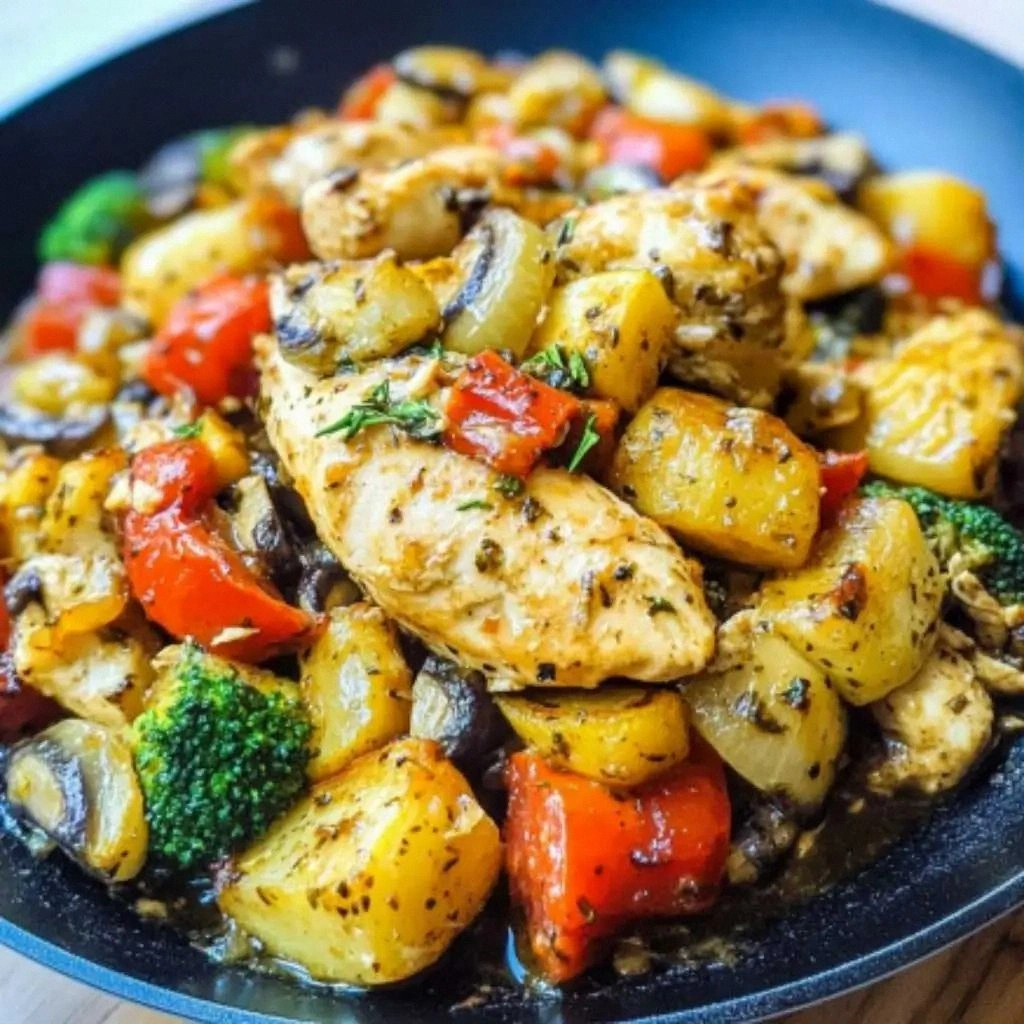
Vegetables are the colorful chorus: 1 medium onion diced, 1 red bell pepper sliced, 1 cup zucchini diced, 1 cup carrots sliced, and a handful of spinach added at the last minute to wilt. These veggies add crunch, color, and nutrition, and they absorb the sauce’s flavors beautifully. A cup of frozen peas can be tossed in during the last few minutes for a pop of sweetness and a burst of green.
The pasta—4 ounces of penne or rigatoni—is the vehicle that carries the sauce. Choose a shape with ridges or holes to trap the sauce, ensuring every bite is drenched. Cook it in the sauce itself, not in separate water, so the pasta infuses with the flavors and releases starch to thicken the sauce.
The Unexpected Star
Fresh basil—about ¼ cup chopped—adds a bright, sweet finish that lifts the entire dish. It’s best added at the end, just before serving, to preserve its aroma. A handful of grated Parmesan cheese—1 cup—provides a salty, nutty depth. If you’re vegan or lactose intolerant, a sprinkle of nutritional yeast can mimic the cheesy flavor.
Lastly, a splash of chicken broth (1 cup) is essential. It creates the liquid base for the pasta to cook in and helps dissolve the flour used to thicken the sauce. The broth also adds a savory undertone that ties all the components together.
Everything's prepped? Good. Let's get into the real action...
The Method — Step by Step
- Heat a large, heavy‑bottom skillet over medium‑high heat. Add 2 tablespoons of olive oil, swirling to coat the bottom. Once the oil shimmers, add the chicken thighs in a single layer, letting them sear without crowding. Flip after 3–4 minutes, until both sides are golden brown and the chicken is almost cooked through. This step locks in juices and builds a savory base. Watch Out: If the oil starts smoking, lower the heat immediately to prevent burning.
- Remove the chicken and set it aside on a plate. In the same skillet, add the diced onion, minced garlic, and a pinch of red pepper flakes. Sauté for 2–3 minutes until the onion becomes translucent and the garlic releases its aroma. This creates the flavor foundation that the sauce will build upon.
- Stir in the tomato paste, cooking it for 1 minute to caramelize its edges. This step deepens the tomato flavor and adds a subtle sweetness. Once the paste is slightly browned, pour in the crushed tomatoes, stirring to combine. The sauce should start to bubble gently.
- Add the dried Italian seasoning, oregano, and a pinch of dried basil. Stir for another minute, letting the herbs release their oils. If you’re using white wine, pour it in now, allowing it to reduce by half. This deglazes the pan and lifts all the flavorful browned bits.
- Return the browned chicken to the skillet, nestling it into the sauce. Add the sliced bell pepper, zucchini, carrots, and frozen peas. Stir to coat the vegetables with the sauce. Pour in the chicken broth, just enough to cover the base of the pan—about 1 cup. The broth will help the pasta cook and the sauce thicken.
- Bring the mixture to a gentle boil, then reduce the heat to low. Add the pasta, ensuring it’s submerged in the liquid. Stir once to prevent sticking, then cover the skillet with a lid. Let the pasta simmer for 10–12 minutes, or until al dente, stirring occasionally. The pasta will absorb the sauce, creating a cohesive flavor profile.
- When the pasta is cooked, add the chopped spinach and stir until it wilts. Sprinkle the grated Parmesan over the top, allowing it to melt into the sauce. This adds a creamy texture and a salty kick that balances the acidity.
- Remove the skillet from heat and let it rest for 2 minutes. This short rest allows the flavors to settle and the sauce to thicken slightly. Garnish with fresh basil leaves and a drizzle of olive oil. Serve immediately, scooping generous portions onto plates.
That's it — you did it. But hold on, I've got a few more tricks that'll take this to another level...
Insider Tricks for Flawless Results
The Temperature Rule Nobody Follows
Many cooks think a high heat is the secret to a great sauce, but the truth is the sauce needs a gentle simmer to develop depth. After adding the broth, reduce the heat to low and cover the skillet. This creates a steaming environment that allows the pasta to cook evenly and the flavors to meld. If you keep the heat too high, the sauce will evaporate too quickly, leaving you with a dry, unevenly cooked dish.
Why Your Nose Knows Best
Before you even taste the dish, let it sit for a minute. Your nose will detect the subtle balance of acidity, sweetness, and herbaceousness. If it smells too acidic, add a pinch of sugar or a splash of milk to mellow it. If it feels flat, a quick dash of lemon zest or a pinch of sea salt can lift the entire flavor profile.
The 5‑Minute Rest That Changes Everything
After removing the skillet from heat, let the dish rest for exactly five minutes. This brief pause allows the sauce to thicken slightly and the flavors to redistribute. It also gives the pasta a chance to absorb the last of the liquid, ensuring every bite is coated. Trust me, a five‑minute rest is a game‑changer.
Don’t Skimp on the Broth
Using a high‑quality chicken broth rather than water adds a savory depth that is impossible to replicate. If you’re vegetarian, substitute with vegetable broth or a mix of water and a bouillon cube. The broth’s sodium content also helps season the dish evenly without relying on extra salt.
Finish with Fresh Herbs
Adding fresh basil, parsley, or oregano right before serving brightens the dish and adds a layer of freshness that canned herbs can’t match. The oils from fresh herbs release their flavors when they’re exposed to heat, so stir them in at the last minute.
Creative Twists and Variations
This recipe is a playground. Here are some of my favorite ways to switch things up:
Spicy Arrabbiata Twist
Double the amount of red pepper flakes, and add a sliced jalapeño for extra heat. Swap the Parmesan for a sprinkle of Pecorino Romano for a sharper, salty finish. This version is perfect for those who love a fiery kick.
Sun‑Dried Tomato Version
Incorporate ½ cup of chopped sun‑dried tomatoes into the sauce. The tomatoes add a chewy texture and a concentrated tomato flavor that makes the dish feel more indulgent. Pair it with a drizzle of pesto for a Mediterranean vibe.
Vegan Delight
Replace the chicken with marinated tofu cubes or chickpeas. Use a plant‑based broth and omit the Parmesan, substituting with nutritional yeast. This version maintains the same comforting texture while being fully plant‑based.
Cheesy Mac Fusion
Swap the pasta for elbow macaroni and stir in a cup of shredded mozzarella and a handful of ricotta cheese. The result is a creamy, cheesy pasta that still carries the Italian flavors of the sauce.
Breakfast‑Style Kick
Serve the skillet over a bed of sautéed spinach and top with a fried egg. The runny yolk adds richness, while the spinach provides a fresh, green counterpoint. This makes for a hearty breakfast or brunch.
Herb‑Infused Variations
Use a mix of fresh thyme and rosemary instead of oregano for a different aromatic profile. The earthy herbs pair wonderfully with the roasted chicken and add a rustic touch.
Storing and Bringing It Back to Life
Fridge Storage
Cool the skillet to room temperature, then transfer the contents to an airtight container. Store in the refrigerator for up to 4 days. When reheating, add a splash of water or broth to loosen the sauce, then gently warm over low heat, stirring occasionally.
Freezer Friendly
Divide the dish into individual portions in freezer‑safe containers. Freeze for up to 3 months. To reheat, thaw overnight in the refrigerator, then warm on the stove with a little water or broth. Stir until the sauce reaches the desired consistency.
Best Reheating Method
Reheat in a skillet over medium heat, adding a tablespoon of water or broth to keep the sauce from drying out. Cover briefly to trap steam, then remove the lid to let excess liquid evaporate. The dish should feel moist and fragrant, just like when it was first cooked.