
Picture this: you’re in the middle of a Friday night, the kitchen lights flicker, and the aroma of seared meat is already drifting through the house. You’re craving something that feels like a celebration but doesn’t require a Michelin‑level skill set. That craving turns into a dare from a friend who claims he’s never tasted “steak kabobs” that can stand up to a backyard grill. You’re skeptical, but the idea of perfectly seared cubes of beef, bright veggies, and a buttery garlic glaze has you already craving the first bite.
I’ve tried every version of steak kabobs I've seen online—from the bland, over‑seasoned skewers that taste like they were tossed in a bag to the ones that fall apart before the grill even heats up. The difference? It’s not just the quality of the meat, but the harmony of flavors, the timing, and that secret butter‑garlic sauce that coats the steak like velvet while the veggies keep their crisp bite. The result is a dish that, once you taste it, feels like a dare you can’t resist repeating. I dare you to taste this and not go back for seconds.
Why does this version stand out from every other recipe out there? Because it’s engineered for flavor balance, texture contrast, and maximum ease. The steak is marinated just long enough to soak up the garlic and herbs, the vegetables are pre‑cut to cook at the same rate, and the butter‑garlic sauce is whisked until it’s silky and fragrant—no clumps, no greasy residue. Most recipes get this completely wrong. Here’s what actually works: a simple marination, a quick sear, and a final buttery finish that keeps the meat juicy and the veggies tender. If you’ve ever struggled with kabobs that fall apart or taste flat, you’re not alone—and I’ve got the fix.
This isn’t just a recipe; it’s a game‑changing experience. By the end, you’ll wonder how you ever made it any other way. Let me walk you through every single step—by the end, you'll wonder how you ever made it any other way.
What Makes This Version Stand Out
- Taste: The buttery garlic glaze marries savory steak with bright, fresh vegetables, creating a flavor profile that’s both comforting and exciting. The glaze’s slight sweetness balances the meat’s richness, while the herbs add a fragrant lift.
- Texture: The steak is seared to develop a caramelized crust while remaining tender inside; the veggies stay crisp yet juicy, delivering a satisfying bite that keeps the palate engaged.
- Simplicity: No complex marinades or exotic ingredients—just a handful of pantry staples and a few fresh cuts. You’ll finish the dish in under an hour, even if you’re new to grilling.
- Uniqueness: The butter‑garlic sauce is whisked into a glossy, velvety coating that clings to each kabob, a technique rarely seen in typical kabob recipes.
- Crowd Reaction: Friends and family rave about the balance of flavors and the wow factor of the glossy finish. It’s a dish that invites compliments and second servings.
- Ingredient Quality: By selecting a good cut of steak and using fresh herbs, the dish elevates the simplest ingredients into a gourmet experience.
- Cooking Method: Quick searing on a pre‑heated grill or cast‑iron skillet ensures the steak’s exterior is caramelized without drying out the interior.
- Make‑Ahead Potential: The marination can be done up to 24 hours in advance, and the sauce can be pre‑mixed, making it perfect for last‑minute gatherings.
Alright, let's break down exactly what goes into this masterpiece…
Inside the Ingredient List
The Flavor Base
Sirloin Steak (1.5 lbs) – The foundation of any great kabob, sirloin offers a perfect balance of tenderness and beefy flavor. If you skip the steak, you lose the centerpiece of the dish and the savory depth that pulls everything together. For a leaner option, try flank steak, but remember it will require a shorter cook time to avoid toughness.
Garlic (4 cloves, minced) – Garlic infuses the meat and veggies with a warm, aromatic punch that cuts through the richness of the butter. Skipping garlic results in a flat, uninspired taste. Fresh cloves are essential; pre‑minced garlic paste can be used in a pinch but will lose some depth.
Butter (3 tbsp) – Butter is the secret to a glossy, silky glaze that clings to each bite. If you omit it, the sauce will be thin and less luscious. Unsalted butter gives you better control over salt levels, while salted butter can add an extra layer of flavor.
Olive Oil (2 tbsp) – Olive oil helps the steak sear evenly and prevents sticking. It also adds a subtle fruity note that complements the garlic. If you’re avoiding oil, a non‑stick spray will work, but the flavor profile will shift slightly.
Salt (1 tsp) – Salt enhances all the flavors and helps create a beautiful crust on the steak. Too little salt, and the dish will taste bland; too much, and it becomes overly salty. A pinch of sea salt is a good alternative for a mineral edge.
Black Pepper (1 tsp) – Freshly ground pepper adds a subtle heat and aromatic complexity. Skipping pepper results in a flat finish; adding extra pepper can give a spicier bite.
Dried Rosemary (1 tsp) – Rosemary brings a piney, earthy undertone that pairs beautifully with beef. If you don’t have rosemary, thyme or oregano work well as substitutes, each adding its own unique flavor.
The Texture Crew
Bell Pepper (1 cup, diced) – Bell pepper adds color, crunch, and a sweet, slightly smoky flavor. If you skip it, the kabobs lose a vibrant contrast. Red or orange peppers give a sweeter profile, while green adds a more bitter edge.
Onion (1, cut into wedges) – Onion brings a caramelized sweetness when grilled, balancing the savory steak. Omitting onion means missing that sweet depth; if you’re sensitive to onion, try shallots for a milder taste.
Mushrooms (1 cup, sliced) – Mushrooms absorb the garlic butter, adding umami and a meaty texture that complements the steak. Skipping them reduces the dish’s richness; if you’re vegan, substitute with portobello or zucchini.
Cherry Tomatoes (1 cup) – Cherry tomatoes burst with juice, providing a juicy, acidic counterpoint to the buttery glaze. If you don’t have cherry tomatoes, regular sliced tomatoes work, but they may release more liquid.
The Unexpected Star
Lemon Juice (1 tbsp) – Lemon juice brightens the overall flavor and cuts through the richness of the butter. Without it, the sauce can feel heavy. A splash of lime can be a fun twist if you’re feeling adventurous.
Soy Sauce (1 tbsp) – Soy sauce adds a subtle umami depth that enhances the steak’s flavor. If you’re avoiding sodium, use low‑sodium soy or tamari. Skipping it will make the sauce slightly less complex.
Worcestershire Sauce (1 tbsp) – This sauce brings a tangy, fermented note that deepens the glaze’s flavor profile. If you’re allergic or just don’t like it, a dash of balsamic vinegar can provide a similar complexity.
The Final Flourish
Fresh Parsley (1 tbsp, chopped) – Parsley adds a fresh, herbaceous finish that lifts the dish’s overall brightness. Skipping parsley doesn’t ruin the dish, but it removes a layer of freshness that balances the richness. A sprinkle of cilantro could offer a different aromatic profile.
Everything's prepped? Good. Let's get into the real action...
The Method — Step by Step
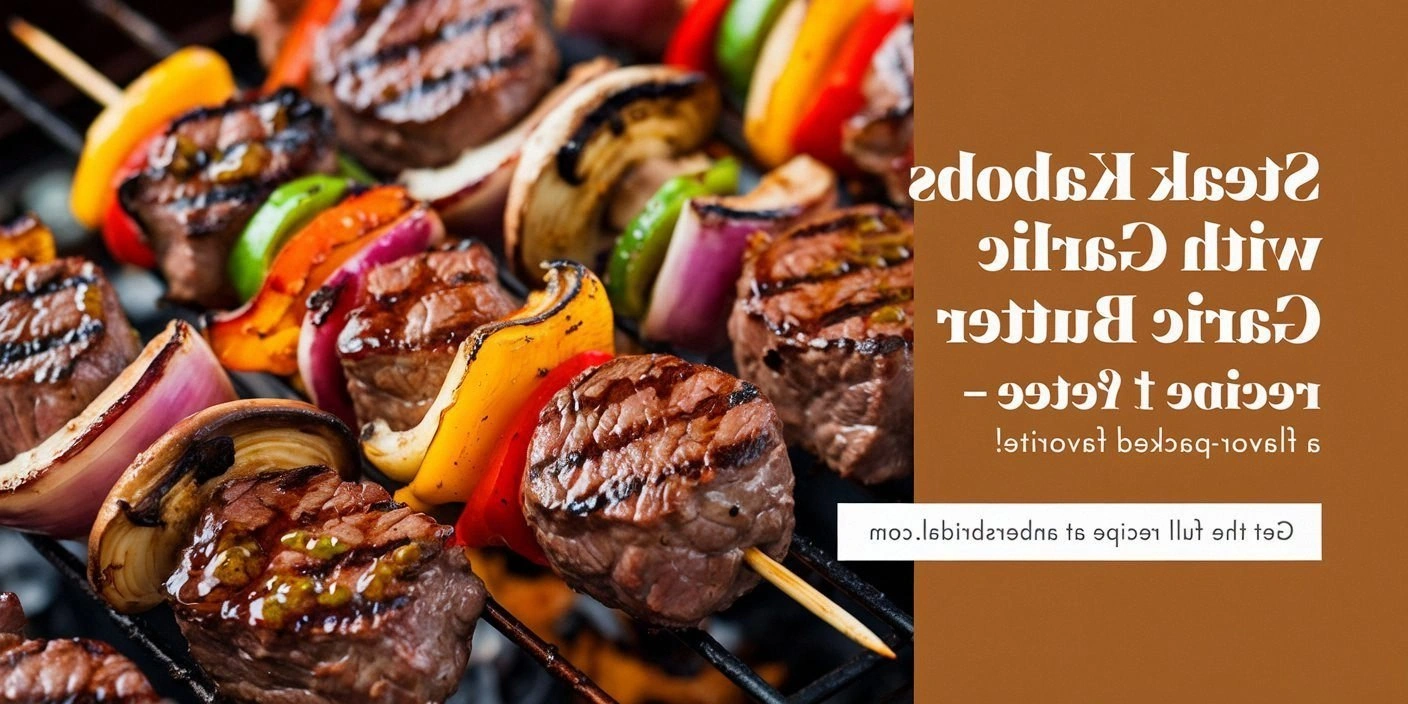
- Step 1: Prepare the Skewers. Thread the steak cubes, bell pepper, onion, mushrooms, and cherry tomatoes onto metal or soaked bamboo skewers, alternating colors for visual appeal. The spacing should be tight enough to hold everything together but loose enough to allow even heat distribution. If you’re using bamboo, soak them in water for at least 30 minutes to prevent burning.
- Step 2: Marinate. In a large bowl, whisk together olive oil, minced garlic, salt, pepper, rosemary, lemon juice, soy sauce, and Worcestershire sauce. Toss the skewers in the mixture, ensuring every piece is coated. Cover and refrigerate for at least 30 minutes, or up to 2 hours for deeper flavor. The longer the marination, the more the steak absorbs the aromatics.
- Step 3: Preheat the Grill. Heat your grill to medium‑high (about 450°F). If using a cast‑iron skillet, preheat it over medium‑high heat until a drop of water sizzles and evaporates instantly. The key is to get a hot surface that quickly caramelizes the meat’s exterior.
- Step 4: Sear the Skewers. Place the skewers on the grill, turning every 2 minutes. The goal is a nice sear on all sides, about 8–10 minutes total. You’ll hear a satisfying sizzle that signals the Maillard reaction is at work, turning the surface into a caramelized crust. Keep an eye on the veggies; they should not burn but should develop a slight char.
- Step 5: Prepare the Butter‑Garlic Sauce. While the skewers are cooking, melt the butter in a small saucepan over low heat. Add the remaining minced garlic and let it cook until fragrant, about 30 seconds. Then whisk in a splash of beef broth or water to create a silky emulsion. This step is crucial for the sauce’s consistency; if you skip it, the glaze will be too thick and clumpy.
- Step 6: Baste the Skewers. Once the skewers are nearly done, brush them generously with the butter‑garlic sauce. The glaze should coat each piece, creating a glossy sheen. Baste a second time in the last minute of cooking to lock in moisture. This step is pure magic; the sauce will cling to the meat and veggies, giving them a buttery finish.
- Step 7: Rest. Remove the skewers from the heat and let them rest for 5 minutes. Resting allows the juices to redistribute, keeping the steak moist. The sauce will thicken slightly, creating a richer coating. During this time, sprinkle the chopped parsley over the skewers for a fresh burst of color and flavor.
- Step 8: Serve. Arrange the skewers on a platter, drizzle any remaining sauce over the top, and serve immediately. Pair with a crisp salad, roasted potatoes, or a simple grilled corn for a complete meal. The first bite should have that buttery, garlicky crunch followed by tender steak and juicy veggies—a flavor explosion that will have guests asking for the recipe.
That's it—you did it. But hold on, I've got a few more tricks that'll take this to another level…
Insider Tricks for Flawless Results
The Temperature Rule Nobody Follows
Most cooks think “high heat is always best” for steak, but too high can burn the exterior before the interior cooks. Aim for a grill temperature of 450°F, which gives a caramelized crust while keeping the steak juicy. If you’re using a skillet, let it heat until it’s just shy of smoking.
Why Your Nose Knows Best
As the steak sears, you’ll notice a sweet, nutty aroma that signals the Maillard reaction is underway. If the smell turns sharp or acrid, the heat is too high. Trust your nose—it’s the quickest way to avoid a burnt kabob.
The 5-Minute Rest That Changes Everything
Letting the skewers rest after cooking redistributes the juices throughout the meat, preventing them from spilling onto the plate. Skipping rest can leave the steak dry and the sauce too thick. A quick 5‑minute pause is worth the extra minutes.
Keep the Skewers Warm
If you’re preparing multiple batches, keep the finished skewers in a warm oven (200°F) while you finish the next round. This prevents the meat from cooling and losing its optimal texture.
Balance the Butter
Adding too much butter can make the glaze greasy. Use just enough to coat the skewers without overpowering the steak’s natural flavor. A touch of lemon juice or a splash of broth keeps the sauce light and balanced.
Use a Meat Thermometer
For precise doneness, insert a thermometer into the thickest part of a steak cube. Aim for 130°F for medium‑rare; 140°F for medium. This ensures consistency across all pieces and prevents overcooking.
Creative Twists and Variations
This recipe is a playground. Here are some of my favorite ways to switch things up:
Mediterranean Marinade
Swap the soy sauce for a splash of olive oil and a squeeze of lemon, and add oregano and feta crumbles. The result is a bright, tangy kabob that pairs beautifully with a Greek salad.
Spicy Sriracha Glaze
Add a tablespoon of sriracha to the butter‑garlic sauce for a fiery kick. The heat contrasts the sweet cherry tomatoes and gives the dish an Asian‑inspired edge.
BBQ Smoke Finish
Sprinkle smoked paprika over the skewers before the last sear, and finish with a drizzle of your favorite BBQ sauce. This gives a smoky depth that feels like a backyard cookout.
Herbaceous Italian
Replace rosemary with fresh basil and add a dash of red pepper flakes. The basil’s sweet aroma elevates the dish, while the flakes add a subtle heat.
Asian Ginger‑Lime
Use fresh grated ginger and a splash of lime juice instead of lemon. Add a sprinkle of toasted sesame seeds for crunch. This variation offers a bright, citrusy flavor profile that’s perfect for summer.
Cheesy Bacon Wrap
Wrap each steak cube in a slice of bacon before skewering, and sprinkle shredded cheddar over the top. The bacon adds smokiness, and the cheese melts into a creamy, savory coating.
Storing and Bringing It Back to Life
Fridge Storage
Store cooked kabobs in an airtight container in the refrigerator for up to 3 days. The butter‑garlic sauce will thicken, so add a splash of water or broth before reheating to restore its silky texture.
Freezer Friendly
Freeze the cooked skewers in a single layer on a baking sheet, then transfer to a freezer bag. They stay good for up to 2 months. Thaw overnight in the refrigerator before reheating.
Best Reheating Method
Reheat in a skillet over medium heat, brushing with a little butter or oil to keep them moist. A quick blast in the oven at 350°F for 5–7 minutes also works well. Add a splash of water before reheating to steam the kabobs back to perfection.