I was halfway through a brunch spread that had turned into a culinary circus when my friend dared me to “make something that screams confidence.” The kitchen was a mess of beaten eggs, splattered pesto, and a pan that had seen better days. I stared at the chaos, realizing that what I really needed was a dish that could salvage the moment and impress the hungry crowd. That moment sparked the birth of the Pesto Eggs Recipe, a dish that turns ordinary eggs into a creamy, herbaceous masterpiece that feels like a gourmet breakfast without the fuss.
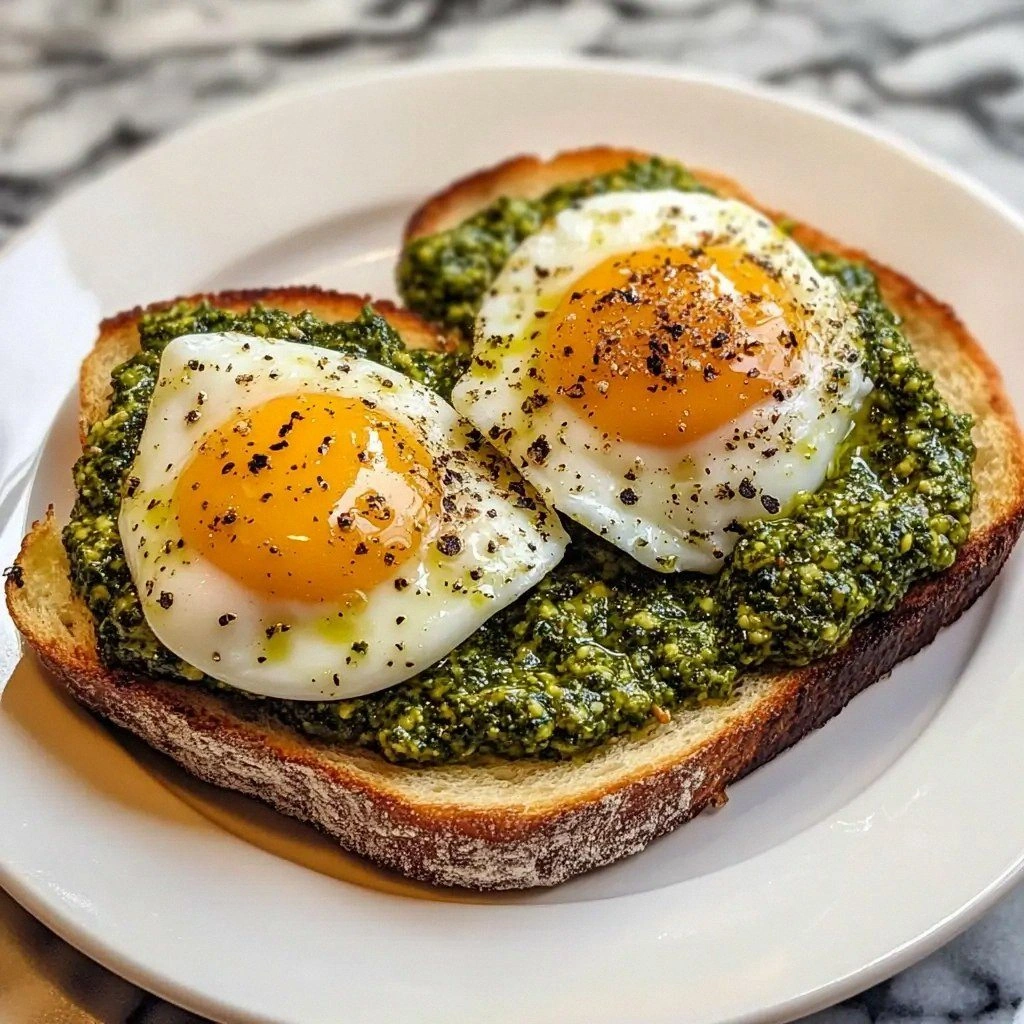
The aroma that fills the room as the eggs start to set is nothing short of intoxicating—rich, buttery, and kissed with basil and pine nuts. You can hear the gentle sizzle as the pan warms, and the faint crackle of the butter as it melts into the mixture. The texture is a silky blend of runny yolks and a slightly crisp rim that snaps like a thin piece of parchment paper. The flavor is a layered symphony of peppery pesto, sharp parmesan, and a subtle hint of garlic that lingers on the tongue. The visual appeal is undeniable: golden eggs surrounded by a glossy green sauce, topped with a sprinkle of fresh basil that glistens like dew.
What makes this version stand out is not just the combination of ingredients but the way they are brought together with a touch of culinary artistry. The pesto is not just a sauce; it’s a vibrant green canvas that coats the eggs like velvet, delivering a burst of freshness that cuts through the richness of the yolk. The cheese is layered strategically to create a melt that is both gooey and firm, offering a delightful contrast. The eggs are cooked to a soft, custard-like consistency that holds together but still allows the yolk to ooze when you cut into it. The result is a dish that feels luxurious yet approachable, perfect for a lazy weekend brunch or a quick weekday breakfast.
I’ll be honest—when I first tried this recipe, I ate half the batch before anyone else even got a chance. But the taste was so compelling that I couldn’t keep it to myself. The next time I made it, I added a twist that made the dish even more irresistible. Picture yourself pulling this out of the pan, the whole kitchen smelling incredible, and the first bite revealing a perfect balance of savory, creamy, and herbaceous flavors. Let me walk you through every single step—by the end, you’ll wonder how you ever made it any other way.
What Makes This Version Stand Out
- Flavor: The pesto is made with fresh basil, pine nuts, and a splash of lemon juice, creating a bright, tangy profile that elevates the eggs. It’s the kind of sauce that coats the eggs like velvet, leaving a lingering freshness that lingers on the palate.
- Texture: The eggs are cooked to a custard-like consistency, with a slightly crisp edge that snaps when you cut into it—crisp edges that shatter like thin ice, while the yolk remains silky and molten.
- Ingredient Quality: Using a high‑quality olive oil and freshly grated parmesan ensures that each bite is packed with depth. The difference between a store‑bought pesto and a homemade one is the level of authenticity and aroma.
- Visual Appeal: The dish is a vibrant green and gold, with a glossy finish that makes it Instagram‑ready. The fresh basil garnish adds a pop of color that makes the plate feel lively.
- Time Efficiency: You can have a complete breakfast ready in under 30 minutes. The steps are straightforward, and the ingredients are pantry staples.
- Make‑Ahead Potential: The eggs can be cooked ahead of time and reheated with a splash of milk or water, keeping the yolks creamy and preventing them from drying out.
- Versatility: Add a slice of toasted sourdough or a handful of sautéed spinach for a different texture and flavor profile. It’s a dish that can adapt to whatever you have on hand.
Inside the Ingredient List
The Flavor Base
The pesto is the heart of this dish. It’s a vibrant green sauce made from fresh basil, pine nuts, parmesan, garlic, and olive oil. The basil provides a bright, herbaceous note that cuts through the richness of the eggs, while the pine nuts add a subtle nuttiness. If you skip the pesto, the eggs become bland and lose their signature green color. You can substitute the basil with parsley for a milder flavor, but the basil’s unique aroma will be missed. When selecting basil, choose leaves that are bright green and free of yellow spots; this ensures maximum flavor and a beautiful color.
The olive oil used in the pesto should be a good extra‑virgin variety. It’s the difference between a flat sauce and one that has a silky mouthfeel. If you’re short on time, a high‑quality store‑bought pesto works well, but the homemade version is worth the effort. A pinch of salt is added to the pesto to bring out the flavors, and a splash of lemon juice brightens the entire dish. Remember, the pesto is not just a sauce; it’s a flavor canvas that needs to be vibrant and aromatic.
The parmesan adds a sharp, salty bite that balances the sweetness of the pesto. It also helps to create a slight crust on the edges of the eggs, giving them a pleasing texture. If you’re lactose intolerant, try a vegan parmesan or nutritional yeast for a similar umami punch. The key is to grate the cheese finely so it melts evenly into the eggs. A pinch of pepper enhances the overall flavor profile and adds a subtle heat.
The garlic in the pesto gives a subtle, savory depth. If you’re sensitive to garlic, reduce it to a quarter of the amount or replace it with garlic powder for a milder taste. The pine nuts are toasted lightly before adding to the pesto, which brings out their natural oils and adds a buttery flavor. If pine nuts are unavailable, walnuts or almonds can be used as a substitute, though they will alter the flavor slightly. The final touch is a drizzle of olive oil, which gives the pesto a silky, glossy finish that makes the dish look restaurant‑grade.
The Texture Crew
Eggs are the star of the show and provide the creamy base. Use fresh eggs for the best texture; the yolk should be bright yellow and the whites firm yet tender. Overcooking the eggs will result in a rubbery texture, so keep a close eye on the cooking time. The eggs are gently folded into the pesto, allowing the sauce to coat each yolk evenly. A pinch of salt and pepper is added at this stage to season the eggs without overpowering the pesto.
Butter is added to the pan to create a golden crust on the eggs. It also prevents the eggs from sticking and adds a subtle richness. If you’re avoiding dairy, use a splash of olive oil instead; the flavor will still be robust. The butter should be melted just before adding the eggs to maintain a crisp exterior. The combination of butter and olive oil gives the dish a layered flavor profile that is both savory and slightly sweet.
The cheese mixture—parmesan and mozzarella—adds a gooey, melty component that creates a luscious texture. The mozzarella is shredded finely so it melts evenly into the eggs, creating a smooth, stretchy finish. The parmesan adds a sharp, salty bite that cuts through the richness of the eggs. If you prefer a stronger cheese flavor, increase the amount of parmesan by a quarter cup. The cheeses should be added just before the eggs finish cooking to avoid over‑melting and loss of texture.
The bread acts as a vehicle for the eggs. Sourdough or whole‑grain bread provides a sturdy base that can hold the creamy eggs without falling apart. The bread should be toasted until golden brown, creating a crunchy contrast to the soft eggs. If you’re gluten‑free, use a gluten‑free bread or a rice‑based flatbread. The bread is brushed with a mixture of butter and olive oil before toasting, which adds flavor and prevents it from becoming soggy. The final result is a harmonious blend of textures that make each bite satisfying.
The Unexpected Star
Red pepper flakes add a subtle heat that wakes up the dish. They are optional but recommended for those who enjoy a bit of spice. If you’re not a fan of heat, omit them or replace them with a pinch of paprika for a smoky note. The flakes should be added early in the cooking process to allow the heat to infuse the eggs. A small amount is enough to provide a balanced kick without overpowering the pesto’s freshness.
Fresh basil leaves used as garnish add a burst of color and aroma. They also provide a slight peppery flavor that complements the pesto. Use whole leaves rather than chopped basil for a more dramatic presentation. The basil leaves should be placed on top of the eggs right before serving to preserve their bright green color. This simple garnish elevates the dish from ordinary to extraordinary.
The Final Flourish
A drizzle of extra‑virgin olive oil just before serving adds a glossy sheen and enhances the overall flavor. It also helps to keep the eggs moist, preventing them from drying out during reheating. If you want an extra touch of luxury, sprinkle a pinch of flaky sea salt on top. The sea salt crystals add a satisfying crunch and a burst of flavor that pairs perfectly with the creamy eggs.
The final flourish is the presentation. Arrange the eggs on a warm plate, spoon the pesto over them, and top with the toasted bread slices. The plate should look vibrant, with a contrast of green pesto, golden eggs, and rustic bread. The dish is best served immediately, but if you need to keep it warm, place it in a low‑heat oven for a few minutes before serving. The final result is a dish that feels indulgent yet approachable, perfect for any time of day.
Everything's prepped? Good. Let's get into the real action...
The Method — Step by Step
- Heat a large non‑stick skillet over medium heat and add one tablespoon of butter and one tablespoon of olive oil. Allow the butter to melt completely, then swirl the pan so the mixture coats the surface evenly. This step creates a golden crust on the eggs and prevents sticking. Watch the butter for the first minute; it should start to foam but not burn. This is the moment of truth—if the butter burns, the entire dish will suffer.
- Whisk the eggs in a bowl until the whites and yolks are fully blended. Add one teaspoon of salt and half a teaspoon of black pepper. The seasoning should be balanced—too much salt will overpower the pesto, too little will leave the eggs bland. Gently pour the eggs into the skillet, letting them spread evenly. Keep the heat at medium to avoid over‑cooking.
- Let the eggs cook undisturbed for about 2 minutes, or until the edges start to lift. Flip the eggs gently with a spatula, then pour a half cup of pesto over the top. The pesto should swirl around the eggs, coating them like a green velvet. Stir gently to ensure the pesto is evenly distributed. This step is crucial for flavor integration.
- Sprinkle half a cup of grated parmesan and half a cup of shredded mozzarella over the eggs. The cheeses should melt into the pesto, forming a gooey, golden layer. Allow the cheese to melt for about 30 seconds; you’ll see it stretch and become shiny. This cheese layer adds a rich, savory depth that balances the herbaceous pesto. It also creates a slightly crispy edge as the cheese browns.
- Reduce the heat to low and cover the skillet with a lid. This step helps the eggs finish cooking gently without drying out. Keep the lid on for about 3 minutes, or until the eggs reach the desired doneness. The low heat prevents the eggs from becoming rubbery and keeps the yolk creamy. The lid also traps steam, which helps the cheese melt evenly.
- While the eggs finish cooking, toast four slices of sourdough bread until golden brown. Brush each slice with a mixture of butter and olive oil before toasting to add flavor and prevent sogginess. The toasted bread provides a crunchy contrast to the creamy eggs. Arrange the bread on a warm plate so it stays crisp.
- Once the eggs are done, slide them onto the toasted bread slices. Drizzle a little extra‑virgin olive oil over the top for a glossy finish. Garnish with fresh basil leaves and a pinch of flaky sea salt if desired. The basil adds a bright aroma, while the sea salt gives a satisfying crunch. Serve immediately, and enjoy the first bite of silky yolk and herbaceous pesto.
- If you’re prepping ahead, let the eggs cool completely before storing them in an airtight container in the fridge for up to 48 hours. When reheating, add a splash of milk or water to the pan to keep the yolk creamy. Reheat over low heat, stirring gently until heated through. The eggs should smell toasty and the pesto should be fragrant. This method preserves the texture and flavor.
- For a quick breakfast, you can skip the bread and serve the eggs on a plate with a side of sautéed spinach or roasted tomatoes. The dish can also be paired with a side of avocado for a creamy, nutrient‑rich meal. If you prefer a vegan version, replace the eggs with tofu scramble and use vegan parmesan. This flexibility makes the recipe a versatile staple in any kitchen.
That's it — you did it. But hold on, I've got a few more tricks that'll take this to another level...
Insider Tricks for Flawless Results
The Temperature Rule Nobody Follows
Many cooks think high heat is the key to a quick breakfast, but that’s a myth. Cooking the eggs at medium‑low heat ensures the yolk stays runny and the whites set gently. If you’re in a hurry, you can increase the heat slightly, but keep a close eye on the eggs to prevent overcooking. A low‑heat approach also allows the pesto to meld with the eggs, creating a harmonious flavor profile. The result is a dish that feels indulgent without being rushed.
Why Your Nose Knows Best
The aroma of fresh basil and melted cheese is a powerful indicator of doneness. When the pesto starts to steam and the cheese begins to bubble, it’s a sign that the eggs are ready. A strong, herbal scent signals that the basil is alive, while the cheese aroma indicates proper melting. Trust your nose; it’s a reliable tool for timing. A dish that smells right will taste right.
The 5‑Minute Rest That Changes Everything
Letting the eggs rest for 5 minutes after cooking allows the flavors to settle. The yolks will thicken slightly, creating a richer mouthfeel. The pesto will continue to infuse, deepening the green color. A short rest also prevents the eggs from drying out. When you cut into the eggs after the rest, the yolk will ooze perfectly, creating a dramatic visual effect.
The Secret to a Crispy Edge
The butter and olive oil mixture creates a golden crust that’s both crispy and flavorful. To enhance the crispness, let the butter foam for a few seconds before adding the eggs. This creates a barrier that keeps the eggs from sticking and gives them a satisfying crunch. If you’re using a non‑stick pan, still add the butter; it adds flavor and prevents the eggs from drying out. A crispy edge is a small detail that elevates the dish.
The Final Touch of Freshness
Adding fresh basil leaves at the end of cooking keeps the green color vibrant. The basil’s peppery flavor complements the pesto without overpowering it. If you’re serving a crowd, set up a basil garnish station so everyone can add their own. Fresh herbs also add a burst of aroma that makes the dish feel fresh. This final touch is simple but impactful.
Creative Twists and Variations
This recipe is a playground. Here are some of my favorite ways to switch things up:
Spinach & Mushroom Pesto Eggs
Sauté fresh spinach and sliced mushrooms until tender before adding them to the eggs. The earthy flavor of mushrooms pairs beautifully with the herbal pesto. The spinach adds a nutritional boost and a subtle green hue. This variation is perfect for a hearty brunch that feels like a full meal. The mushrooms also provide a meaty texture that complements the creamy eggs.
Smoky Chipotle Pesto Eggs
Swap the fresh basil pesto for a smoky chipotle pesto made with roasted peppers and chipotle powder. The smoky heat adds depth and pairs well with the richness of the eggs. The chipotle pesto has a darker green color, giving the dish a bold visual appeal. This version is ideal for those who love a bit of heat and a complex flavor profile. The smoky undertone makes the dish feel gourmet.
Avocado & Lemon Pesto Eggs
Blend ripe avocado into the pesto to create a creamy, buttery sauce. Add a squeeze of fresh lemon juice for brightness and a subtle tang. The avocado adds healthy fats and a silky texture that complements the eggs. This variation is a low‑carb, high‑fat option that still delivers on flavor. The lemon adds a zesty finish that lingers on the palate.
Crispy Chickpea Pesto Eggs
Roast chickpeas until crispy and sprinkle them on top of the finished dish. The chickpeas add a crunchy texture and a protein boost. The roasted flavor of the chickpeas pairs well with the pesto’s herbaceousness. This variation is perfect for a vegetarian or vegan twist. The chickpeas also add a nutty undertone that enhances the overall flavor.
Sourdough Crouton Pesto Eggs
Cube toasted sourdough bread into croutons and fold them into the eggs before serving. The croutons add a crunchy bite that contrasts with the creamy yolk. The sourdough’s tangy flavor complements the pesto’s brightness. This variation transforms the dish into a more substantial breakfast. The croutons also absorb the pesto, making each bite flavorful.
Storing and Bringing It Back to Life
Fridge Storage
Store the cooked eggs in an airtight container in the refrigerator for up to 48 hours. Keep the eggs at room temperature for 30 minutes before reheating to ensure even heating. The container should be sealed tightly to prevent odors from permeating the eggs. When ready to serve, reheat gently in a skillet over low heat. The eggs should smell toasty and the pesto should be fragrant.
Freezer Friendly
For longer storage, freeze the eggs in a freezer‑safe container for up to 3 months. Thaw the eggs overnight in the refrigerator before reheating. Add a splash of milk or water to the pan to keep the yolk creamy. Reheat over low heat, stirring gently until heated through. The texture should remain silky, and the pesto should still be aromatic.
Best Reheating Method
The best way to reheat pesto eggs is in a skillet over low heat with a splash of water or milk. This method preserves the creamy texture and prevents the eggs from drying out. Stir gently to distribute the heat evenly. The eggs should reheat in about 3-4 minutes, with the pesto steaming gently. Serve immediately for the best flavor and texture.