Picture this: a scorching July afternoon, the grill is humming, the lawn is dotted with friends in mismatched chairs, and somewhere in the chaos someone yells, “Who brought the drinks?” I stared at the half‑filled punch bowl, a sad, flat concoction that tasted like watered‑down grape juice. I swear I heard a collective sigh that could have powered a wind turbine. That moment of disappointment sparked a culinary rebellion in me, and I vowed never to let a party suffer from a boring beverage again. I raced to the pantry, grabbed a bottle of Prosecco, a splash of pomegranate juice, and a handful of frozen berries, and set to work on what would become the crown jewel of my summer gatherings.
The kitchen filled with the fizz of sparkling wine meeting the tart kiss of pomegranate, while the berries began to blush in the ruby‑red bath. The scent was a heady mix of citrus zest, fresh mint, and that unmistakable perfume of fermented grapes that makes you want to dance around the counter. I could hear the clink of ice cubes as they tumbled into the pitcher, and the sound of friends laughing in the background, their anticipation building with each pour. The first sip was an explosion of bright, balanced flavors that made my taste buds do a little jig—sweet, tart, bubbly, and just a whisper of herbaceous mint. I dare you to taste this and not go back for seconds.
Most sangria recipes either drown the fruit in sugary syrup or drown the wine in a sea of fruit juice, leaving you with a syrupy mess that clings to the glass like cheap glue. This version, however, is the exact opposite: it lets the sparkling wine shine while the pomegranate and berries provide a nuanced backdrop that sings in harmony. The secret? A precise balance of acidity from fresh lemon, a dash of simple syrup for just‑right sweetness, and a quick‑freeze technique that keeps the drink icy without diluting the flavors. I’ll be honest — I ate half the batch before anyone else got a chance to try it, and that’s a testament to how addictive this concoction truly is.
Let me walk you through every single step — by the end, you’ll wonder how you ever made it any other way. Okay, ready for the game‑changer? This next part? Pure magic. We’ll start with the why, then dive into the how, and finish with a few twists that will keep your guests begging for more. Stay with me here — this is worth it.
What Makes This Version Stand Out
- Flavor Harmony: The interplay of sweet pomegranate, tart lemon, and bright orange creates a balanced palate that never feels one‑dimensional. Each sip delivers a fresh burst that dances across your tongue, leaving a lingering, pleasant aftertaste.
- Effervescent Texture: Using a dry Prosecco or Cava gives the sangria a light, persistent fizz that lifts the fruit juices, preventing the drink from feeling heavy or syrupy. It’s like bubbles that hug the palate instead of punching it.
- Simplicity: With only eight ingredients and a 15‑minute prep, this recipe is practically foolproof. No complicated maceration periods or obscure spices—just straight‑forward, delicious results.
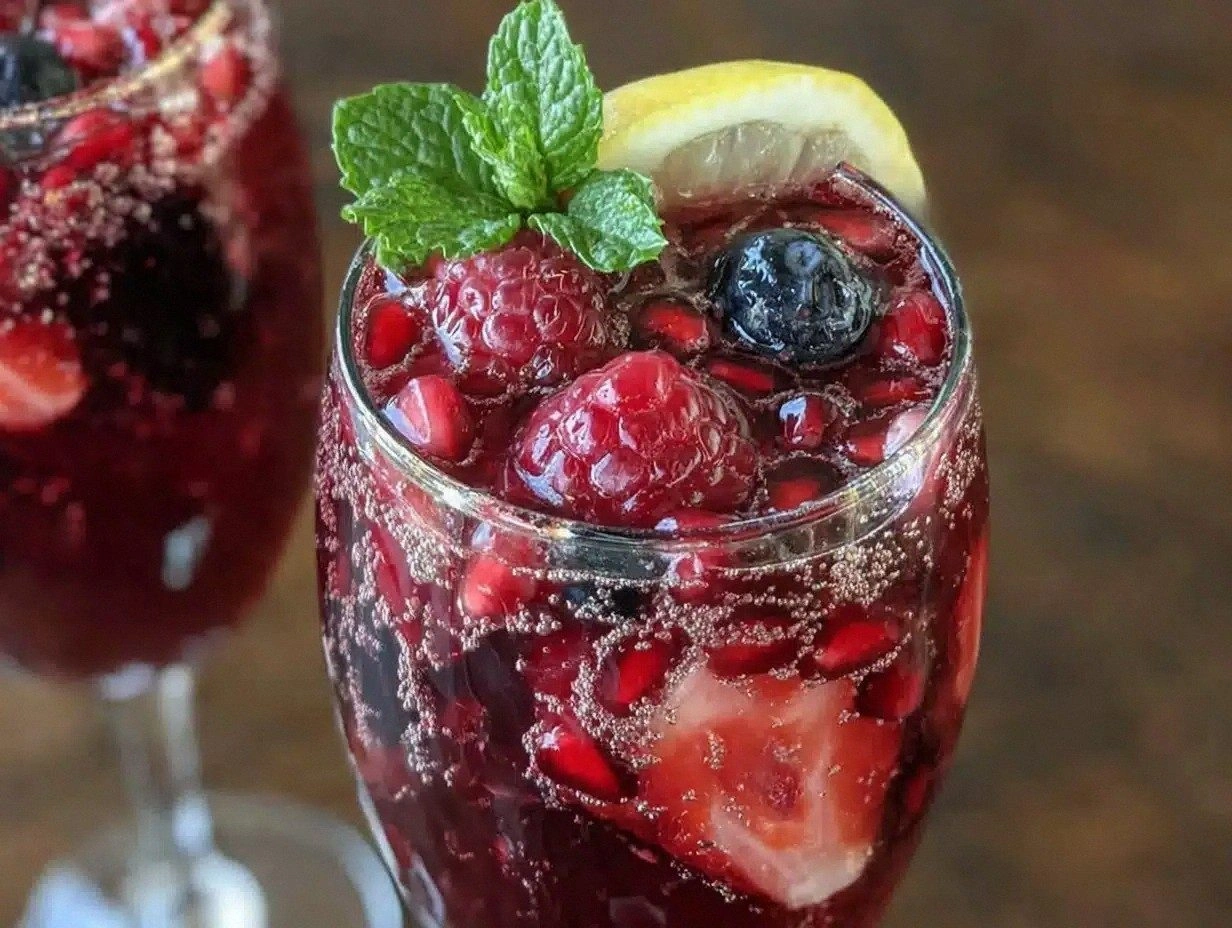
- Unique Visual Appeal: The deep ruby hue of pomegranate juice paired with the jewel‑like berries makes the pitcher look like a work of art, instantly raising the party vibe.
- Crowd Reaction: I’ve seen even the most skeptical guests light up after their first sip, and they’ll be the first to ask for the recipe. Expect compliments, requests for seconds, and possibly a spontaneous toast.
- Ingredient Quality: The recipe leans on high‑quality sparkling wine and fresh fruit, which means you get a premium taste without breaking the bank. A good bottle of Prosecco is all you need.
- Make‑Ahead Potential: You can assemble the sangria a few hours ahead, let the flavors meld, and still serve it chilled and fizzy. It’s perfect for stress‑free entertaining.
- Seasonal Flexibility: While it shines in summer, the bright flavors work year‑round, especially when you swap fresh berries for frozen or add a splash of winter spices.
Inside the Ingredient List
The Flavor Base
Sparkling wine (1 bottle, 750 ml): This is the backbone of the sangria, providing the effervescence that lifts every other flavor. I recommend a dry Prosecco or Cava because their subtle fruit notes won’t overpower the pomegranate. If you skip the wine, you’ll end up with a flat punch that lacks that celebratory sparkle. Pro tip: Choose a bottle that’s been chilled for at least two hours; the colder the wine, the better it will preserve the fizz when mixed.
Pomegranate juice (1 cup, 240 ml): The star of the show, it adds a deep ruby color and a tart, slightly sweet flavor that pairs perfectly with berries. Unsweetened juice is essential; too much sugar will mask the wine’s delicate notes. If you can’t find fresh pomegranate juice, a high‑quality bottled version works—just check the label for added sugars.
The Texture Crew
Mixed berries (1 ½ cups, 225 g): A blend of blueberries, raspberries, and blackberries gives the drink texture and bursts of juiciness. Fresh berries are ideal for their bright flavor, but frozen work just as well and are often more affordable in off‑season months. Skipping the berries means losing that playful pop you get when a berry bursts in your mouth.
Fresh orange (1 medium, thinly sliced): The orange adds a citrusy brightness that cuts through the tartness of the pomegranate, creating a well‑rounded profile. Thin slices ensure the orange oils are released without overwhelming the drink. If you omit the orange, the sangria can feel a bit one‑dimensional.
The Unexpected Star
Lemon (1 small, thinly sliced): A small slice of lemon introduces a zing that balances the sweetness from the simple syrup. It also helps preserve the color of the berries by lowering the pH slightly. Missing the lemon can make the drink taste overly sweet and flat.
Simple syrup (2 tablespoons, 30 ml): This is the only added sweetener, and it’s calibrated to enhance without drowning the natural fruit flavors. You can swap it for honey or agave if you prefer a more complex sweetness. Too much syrup will turn the sangria into a sugary swamp.
The Final Flourish
Fresh mint leaves (a handful): Mint provides an herbal lift that refreshes the palate between sips. It’s also visually appealing, adding a pop of green that makes the drink look even more inviting. If you forget the mint, you’ll miss that cool, aromatic finish.
Ice cubes (as needed): Ice keeps the sangria chilled without watering it down too quickly. Use large cubes or even frozen berries as ice to maintain flavor intensity. Adding too much ice early can dilute the drink, so add it just before serving.
Everything's prepped? Good. Let’s get into the real action…
The Method — Step by Step
First, chill your sparkling wine in the freezer for about 10‑15 minutes—just enough to get it icy but not frozen solid. This step ensures the wine stays bubbly when you pour it over the fruit, preventing premature loss of carbonation. While you wait, gather all your fresh fruit, slice the orange and lemon thinly, and set them aside on a clean cutting board. The aroma of citrus will already start teasing your senses, promising a bright flavor ahead.
In a large, wide‑mouth pitcher (at least 2‑liter capacity), combine the pomegranate juice and simple syrup. Stir gently until the syrup dissolves completely; you’ll notice a glossy sheen forming on the surface. Power transition: This is where the magic begins. Add the sliced orange and lemon, letting the citrus oils mingle with the ruby liquid. I dare you to watch the colors swirl together—pure visual bliss.
Kitchen Hack: Before adding the fruit, give each slice a quick roll with a rolling pin; this releases more essential oils and intensifies the flavor.Now, toss in the mixed berries. If you’re using frozen berries, let them sit at room temperature for a couple of minutes so they’re not rock‑solid; this prevents the pitcher from cracking under the cold shock. Gently stir the mixture, allowing the berries to soak up the pomegranate‑citrus bath. You’ll see the berries start to bleed their colors, turning the liquid a deeper, richer shade.
Time for the mint. Pluck a handful of fresh mint leaves, give them a light slap between your palms to release the aromatic oils, then drop them into the pitcher. The mint should float on the surface, creating a fragrant veil that will rise with each pour. If you love mint, add a few extra leaves now; you can always garnish more later.
Here comes the star of the show: the sparkling wine. Slowly pour the chilled Prosecco or Cava over the fruit mixture, letting it cascade gently down the sides of the pitcher. This technique preserves the bubbles, ensuring maximum fizz. As the wine meets the fruit, you’ll hear a faint fizz that signals the drink is coming together perfectly. Watch out: Pour too quickly and you’ll lose precious carbonation.
Watch Out: If the wine is not cold enough, it will flatten the fizz and make the sangria taste flat. Keep it icy!Give everything a gentle stir—just enough to distribute the fruit and mint evenly without agitating the bubbles too much. The goal is a harmonious blend where each sip contains a bit of every ingredient. At this point, taste the sangria. If you prefer a sweeter profile, add a splash more simple syrup; if you want extra tartness, a squeeze of fresh lemon will do the trick. Remember, the flavor will mellow slightly as it sits, so aim for a balance that’s a shade brighter than you’d like.
Cover the pitcher with plastic wrap and refrigerate for at least 30 minutes, preferably an hour. This resting period allows the flavors to marry, turning the drink from a collection of ingredients into a unified, layered experience. While it chills, you can set out glasses, garnish trays, and perhaps a small bowl of extra mint leaves for guests who want a fresh pop.
Just before serving, add a generous handful of ice cubes to the pitcher. If you’re concerned about dilution, use large ice cubes or even frozen berries as a decorative, flavor‑preserving alternative. The ice should clink softly against the glass, creating an audible promise of refreshment.
Serve the sangria in clear glasses, ensuring each pour includes a mix of berries, citrus slices, and a sprig of mint. For an extra touch, rim the glasses with a thin line of sugar or a zest of orange. Your guests will be dazzled by the visual appeal, and the first sip will confirm that this is hands down the best version you’ll ever make at home. And now the fun part—watch the compliments roll in.
That's it — you did it. But hold on, I've got a few more tricks that'll take this to another level…
Insider Tricks for Flawless Results
The Temperature Rule Nobody Follows
Always keep every component—wine, juice, fruit, and even the pitcher—chilled before assembly. Warm glassware can melt ice faster, diluting the flavor. I once tried to save time by pulling the wine from the fridge at the last minute; the result was a sad, flat drink that left my guests reaching for water. Keep a bucket of ice nearby for the pitcher, and you’ll preserve that lively sparkle from start to finish.
Why Your Nose Knows Best
Before you taste, give the sangria a quick sniff. Your nose can detect imbalances that your palate might miss. If you sense too much citrus, add a dash more pomegranate juice; if the aroma leans heavily toward mint, pull back a leaf or two. Trusting your sense of smell is a shortcut to a perfectly balanced drink every single time.
The 5‑Minute Rest That Changes Everything
After mixing, let the sangria sit uncovered for exactly five minutes. This tiny pause allows the carbonation to settle just enough to avoid frothy overflow while still retaining its fizz. I’ve seen people serve it immediately and end up with a mountain of foam that looks like a science experiment gone wrong. Those five minutes are the difference between a sleek pour and a bubbly disaster.
Ice Cube Alchemy
Freeze some of the mixed berries in ice cube trays and use those as your chilling agents. Not only do they keep the drink cold, but they also release fresh fruit flavor as they melt, preventing dilution. It’s a double‑win that impresses both the eyes and the palate.
Mint Mist Technique
Place a handful of mint leaves in a small resealable bag, lightly crush them, and then spray a fine mist over the top of the sangria just before serving. This technique distributes the mint aroma evenly without drowning the drink in leaf pieces. A friend tried sprinkling whole mint leaves directly and ended up with a bitter aftertaste—never again.
Creative Twists and Variations
This recipe is a playground. Here are some of my favorite ways to switch things up:
Berry‑Boosted Tropical
Swap half the mixed berries for diced mango and pineapple. The tropical sweetness pairs beautifully with the tart pomegranate, creating a beach‑vibe sangria perfect for pool parties.
Spiced Autumn
Replace the simple syrup with a cinnamon‑infused honey and add a pinch of ground nutmeg. The warm spices complement the fruit, turning the drink into a cozy autumnal treat—great for September gatherings.
Rosé Remix
Use a dry rosé instead of sparkling wine for a smoother, fruit‑forward profile. The pink hue adds visual drama, and the softer bubbles make it ideal for brunches.
Herbal Elegance
Introduce a few sprigs of rosemary or thyme alongside mint. The herbaceous notes add depth and a sophisticated aroma that impresses even the most discerning guests.
Zero‑Sugar Version
Skip the simple syrup entirely and let the natural sweetness of the fruit shine. Add a splash of stevia or monk fruit liquid if you need a hint of sweetness without any added sugar.
Champagne Celebration
For a truly luxurious twist, swap Prosecco for a dry Champagne. The higher acidity and refined bubbles elevate the entire experience, making it perfect for milestone celebrations.
Storing and Bringing It Back to Life
Fridge Storage
Transfer any leftover sangria to an airtight glass pitcher or a large mason jar. Keep it refrigerated and consume within 48 hours for optimal flavor. The fruit will continue to infuse, but the fizz will gradually subside; give it a quick stir before serving.
Freezer Friendly
If you have a surplus, pour the sangria (minus the ice) into freezer‑safe silicone molds or ice cube trays. Once frozen, transfer the cubes to a zip‑top bag. These “sangria ice cubes” can be dropped into fresh wine for an instant party‑ready drink.
Best Reheating Method
Should you wish to enjoy the sangria warm on a cooler evening, gently heat it on the stovetop over low heat, adding a tiny splash of water to restore the lost fizz. Do not boil; you’ll destroy the delicate flavors and the bubbles. Warm it just until it’s steaming, then pour into mugs and garnish with a fresh orange slice.