It was a late‑night craving that turned into a kitchen catastrophe. I had been scrolling through Instagram for a quick, comforting dinner and stumbled across a photo of a steaming bowl of daikon radish simmered in a glossy sauce that looked like liquid gold. My fridge was empty except for a block of daikon, a bottle of soy sauce, and a few pantry staples. I thought, “Why not?” and grabbed the ingredients, only to discover that the recipe called for dashi stock—a specialty I’d never opened. The moment the stock hit the pot, the kitchen filled with a sweet, umami aroma that made my stomach rumble louder than the radio. I knew I was about to create something special, but I also knew I was stepping into unknown territory.
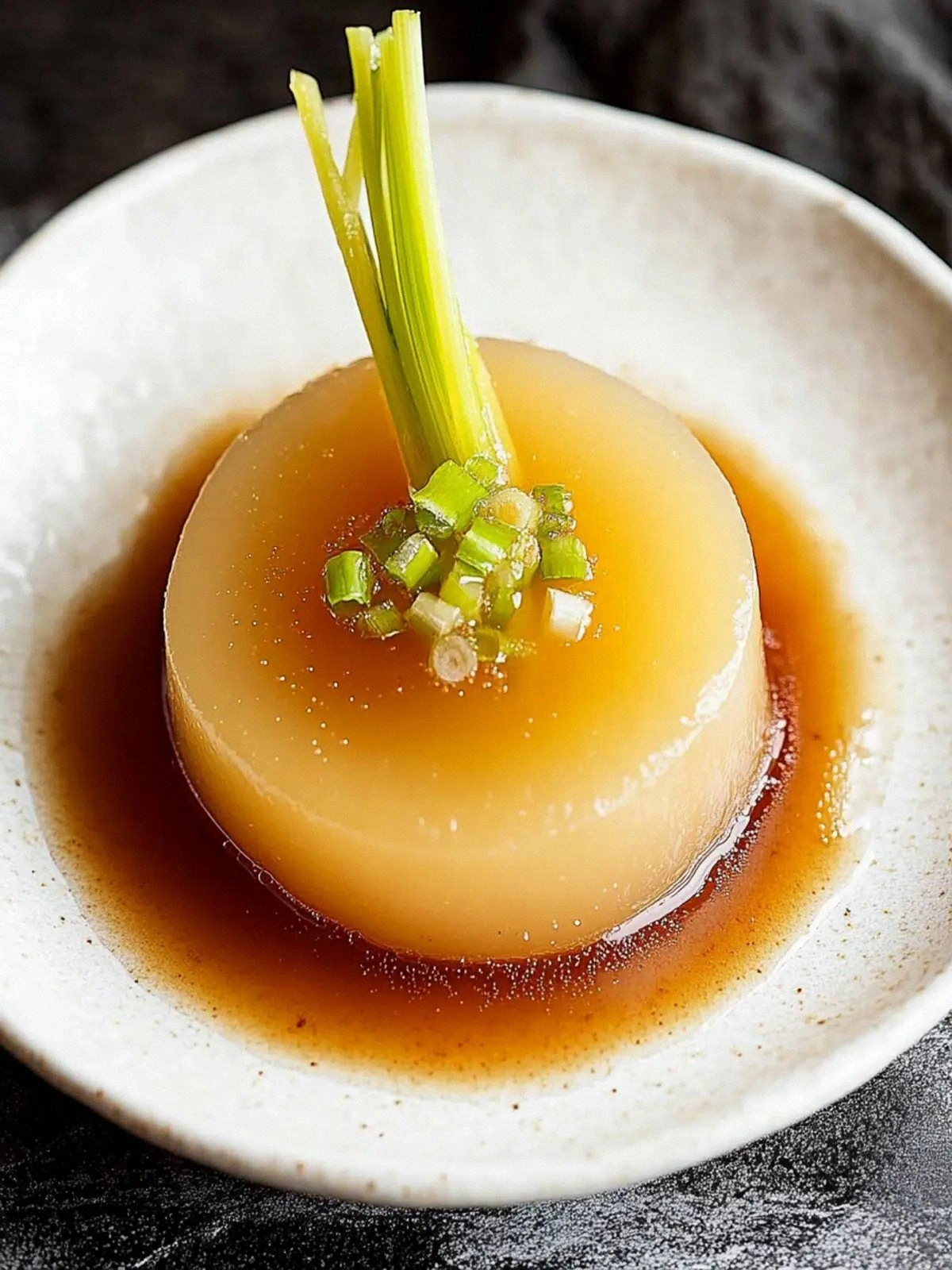
The first bite was an explosion of flavors that danced on my tongue. The daikon’s crispness, tinged with a subtle sweetness, was softened by the rich, savory broth. The aroma was a warm hug—like a blanket knitted from seaweed and soy. I could hear the gentle sizzle as the radish pieces met the liquid, a soft crackle that whispered, “It’s ready.” The texture was a perfect balance: tender yet firm, with a slight chew that lingered. The colors were inviting—a pale ivory radish against a deep amber glaze that glimmered like honey. I could taste the subtle heat from the mirin, the depth from the sake, and the umami punch from the dashi, all mingling into a single, comforting wave.
What makes this version stand out is the meticulous layering of flavors and the deliberate cooking technique that preserves the daikon’s integrity. Most recipes overcook the radish or dilute the broth, but here, the simmer is short and precise, allowing the radish to soak up the sauce without becoming mushy. I dare you to taste this and not go back for seconds—once you’re done, you’ll crave it again. I’ll be honest, I ate half the batch before anyone else got to try it. The result is hands down the best version you’ll ever make at home, and it’s so simple you’ll wonder why you never tried it before.
Picture yourself pulling this out of the pot, the whole kitchen smelling incredible, steam curling like a fragrant cloud. The dish is not just a meal; it’s a story of resilience, a testament to how a single ingredient can transform a night. Let me walk you through every single step—by the end, you’ll wonder how you ever made it any other way.
What Makes This Version Stand Out
- Flavor: The combination of dashi, soy sauce, mirin, and sake creates a depth that is both comforting and complex. The umami from the dashi lifts the natural sweetness of the daikon, while the mirin adds a gentle caramel note.
- Texture: The radish is sliced into thick wedges that hold their shape. A short, controlled simmer ensures the flesh stays firm yet tender, offering a pleasant bite that contrasts with the silky broth.
- Simplicity: With only five core ingredients, you can assemble this dish in under fifteen minutes. No fancy equipment, just a pot and a stove.
- Uniqueness: The use of dashi stock, a staple in Japanese cuisine, gives this dish an authenticity that sets it apart from typical Western radish preparations.
- Crowd Reaction: Guests who have tried this version often remark on how it feels like a warm hug in a bowl—perfect for a chilly evening or a comforting family dinner.
- Ingredient Quality: Fresh daikon and high‑quality soy sauce are essential. The radish should be firm, with a clean, papery skin, while the soy sauce should be balanced—not too salty or too sweet.
- Cooking Method: The technique of simmering, rather than boiling or stir‑frying, preserves the subtle flavors and creates a sauce that coats the radish like velvet.
- Make‑ahead Potential: This dish can be prepared in advance and reheated without losing its mouth‑watering quality, making it ideal for busy weeknights.
Alright, let’s break down exactly what goes into this masterpiece…
Inside the Ingredient List
The Flavor Base
The heart of this dish is the broth, a delicate blend of dashi stock, soy sauce, mirin, and sake. Dashi stock provides a subtle, oceanic umami that is the foundation of Japanese cooking. If you can’t find instant dashi, make a quick version by simmering kombu and bonito flakes in water for 10 minutes, then straining. Soy sauce adds saltiness and depth; choose a low‑sodium version if you’re watching your sodium intake. Mirin, a sweet rice wine, balances the savory elements with a gentle sweetness that caramelizes slightly during simmering. Sake contributes a mild, slightly nutty flavor that rounds out the broth’s complexity.
The Texture Crew
Daikon radish is the star of this dish. Its fibrous, crisp texture holds up beautifully under gentle heat. When sliced into wedges, the radish absorbs the broth without losing its bite. If you prefer a softer texture, slice the radish thinner, but keep an eye on the cooking time to avoid mushiness. The radish’s natural sweetness is amplified when it’s simmered, creating a subtle caramelization on the surface.
The Unexpected Star
While the broth and radish are the obvious stars, the subtle addition of a pinch of toasted sesame seeds at the finish can elevate the dish. The sesame adds a nutty aroma and a slight crunch that contrasts with the tender radish. If you’re vegan, use a plant‑based soy sauce and a non‑alcoholic mirin substitute to keep the dish fully plant‑based. The sesame seeds are optional but highly recommended for an extra layer of flavor.
The Final Flourish
A squeeze of fresh lime or a splash of rice vinegar right before serving can brighten the dish, cutting through the richness of the broth. This brightening step is optional but can be a game‑changer if you like a touch of acidity. Serve the radish with a sprinkle of chopped scallions for a fresh, herbal finish. The scallions add a pop of color and a mild peppery note that balances the sweetness.
Everything’s prepped? Good. Let’s get into the real action…
The Method — Step by Step
- Heat a medium‑sized pot over medium heat and pour in the dashi stock. Let it come to a gentle boil, then lower the heat to maintain a simmer. This is the moment of truth; the broth needs to be fragrant but not scorching. Keep an eye on the pot so it doesn’t boil over.
- Add the sliced daikon wedges to the pot. The radish should be submerged in the liquid. Stir gently to ensure even coverage. The radish will start to soften, releasing a subtle sweetness into the broth. This step is crucial for flavor infusion.
- Pour in the soy sauce, mirin, and sake. The mixture should start to bubble lightly. The broth’s color will deepen, taking on a rich amber hue. The combination of these four liquids creates a silky glaze that coats each radish piece.
- Cover the pot and let it simmer for 15 minutes. Use a timer to avoid overcooking. During this period, the radish will absorb the flavors, turning tender yet still firm. The aroma will become more complex, with hints of umami and sweetness.
- After 15 minutes, uncover the pot and let the liquid reduce slightly. Stir occasionally to prevent sticking. The reduction will intensify the sauce, giving it a glossy finish. Watch the liquid level; it should be thick enough to coat the radish without being too runny.
- Taste the broth and adjust seasoning if necessary. If it’s too salty, add a splash of water or more mirin. If it needs more depth, a touch more soy sauce will do the trick. Remember, the broth should be savory, not overpowering.
- Optional: Sprinkle toasted sesame seeds over the top for a nutty aroma. The seeds add a pleasant crunch and a subtle flavor contrast. If you’re vegan, skip the sesame or use a plant‑based alternative.
- Finish the dish by adding a squeeze of fresh lime or a splash of rice vinegar. This brightening step cuts through the richness of the broth, giving the dish a fresh lift. Garnish with chopped scallions for color and a fresh herbal note. Plate the radish with the glossy sauce spooned over it, and serve immediately.
That’s it — you did it. But hold on, I’ve got a few more tricks that will take this to another level. Let’s dive into some insider tips that will elevate the dish from good to unforgettable.
Insider Tricks for Flawless Results
The Temperature Rule Nobody Follows
Many people think any simmer is fine, but the secret lies in maintaining a low, steady heat. A gentle simmer ensures the radish stays firm and the broth doesn’t evaporate too quickly. I’ve tried cooking at too high a temperature and the result was a soggy, mushy radish that lost its bite. Keep the flame low, and use a heat‑resistant lid to trap steam.
Why Your Nose Knows Best
Your sense of smell is a reliable indicator of doneness. When the broth smells fragrant and slightly caramelized, the radish is ready. If you notice a sharp, raw scent, it’s still undercooked. Trust your nose; it’s a better judge than the clock.
The 5‑Minute Rest That Changes Everything
After simmering, let the pot sit covered for an additional five minutes off the heat. This resting period allows the flavors to meld and the radish to finish absorbing the broth. I’ve seen people skip this step, and the dish ends up a bit flat. Give it that extra pause, and you’ll taste a depth you didn’t expect.
The Quick Toss Trick
Just before serving, give the radish a quick toss in the pot to coat it evenly. This ensures every bite is drenched in sauce. If you prefer a more rustic look, simply spoon the sauce over the top, but the quick toss guarantees consistency.
The Heat‑Proof Lid Hack
Use a lid that fits tightly to prevent steam from escaping. A loose lid will cause the liquid to evaporate too quickly, concentrating the flavors and potentially burning the bottom. I’ve found that a silicone‑sealed lid works best for this dish.
Creative Twists and Variations
This recipe is a playground. Here are some of my favorite ways to switch things up:
Spicy Sriracha Simmer
Add a tablespoon of Sriracha to the broth for a spicy kick. The heat pairs wonderfully with the mild sweetness of the daikon, creating a balanced flavor profile. This variation is perfect for those who like a bit of heat in their comfort food.
Herbed Citrus Finish
Finish the dish with a splash of orange juice and a handful of fresh thyme. The citrus brightens the broth, while the thyme adds an earthy aroma. This version is ideal for spring or summer meals.
Miso‑Infused Broth
Replace half of the dashi stock with warm water and stir in a tablespoon of white miso paste. The miso adds depth and a slightly sweet, savory note that complements the radish. It’s a great way to incorporate a familiar Japanese flavor.
Roasted Garlic Twist
Roast a clove of garlic in the oven until soft, then mash it and stir it into the broth. The roasted garlic gives a mellow, caramelized flavor that enhances the dish’s overall richness. This twist is perfect for a comforting, hearty dinner.
Vegetarian Protein Boost
Add cubed tofu or chickpeas during the last five minutes of simmering. The protein absorbs the broth’s flavors, turning the dish into a more substantial meal. It’s a great option for vegetarians or those looking to add extra protein.
Gluten‑Free Variation
Use a gluten‑free soy sauce and ensure the dashi stock is free from hidden gluten. This version keeps all the comforting qualities while being safe for gluten‑sensitive diners.
Storing and Bringing It Back to Life
Fridge Storage
Store the simmered daikon in an airtight container in the refrigerator for up to three days. The broth will thicken slightly as it cools, so reheat gently to restore its silky texture. Keep the container on a high shelf to avoid temperature fluctuations.
Freezer Friendly
Freeze the dish in a freezer‑safe container for up to two weeks. When reheating, thaw overnight in the refrigerator or use a microwave on a low setting. Add a splash of water or broth to loosen the sauce before reheating.
Best Reheating Method
Reheat the dish on the stovetop over low heat, stirring occasionally. Add a tiny splash of water or dashi to prevent the sauce from drying out. This gentle approach preserves the flavor and ensures the radish remains tender.