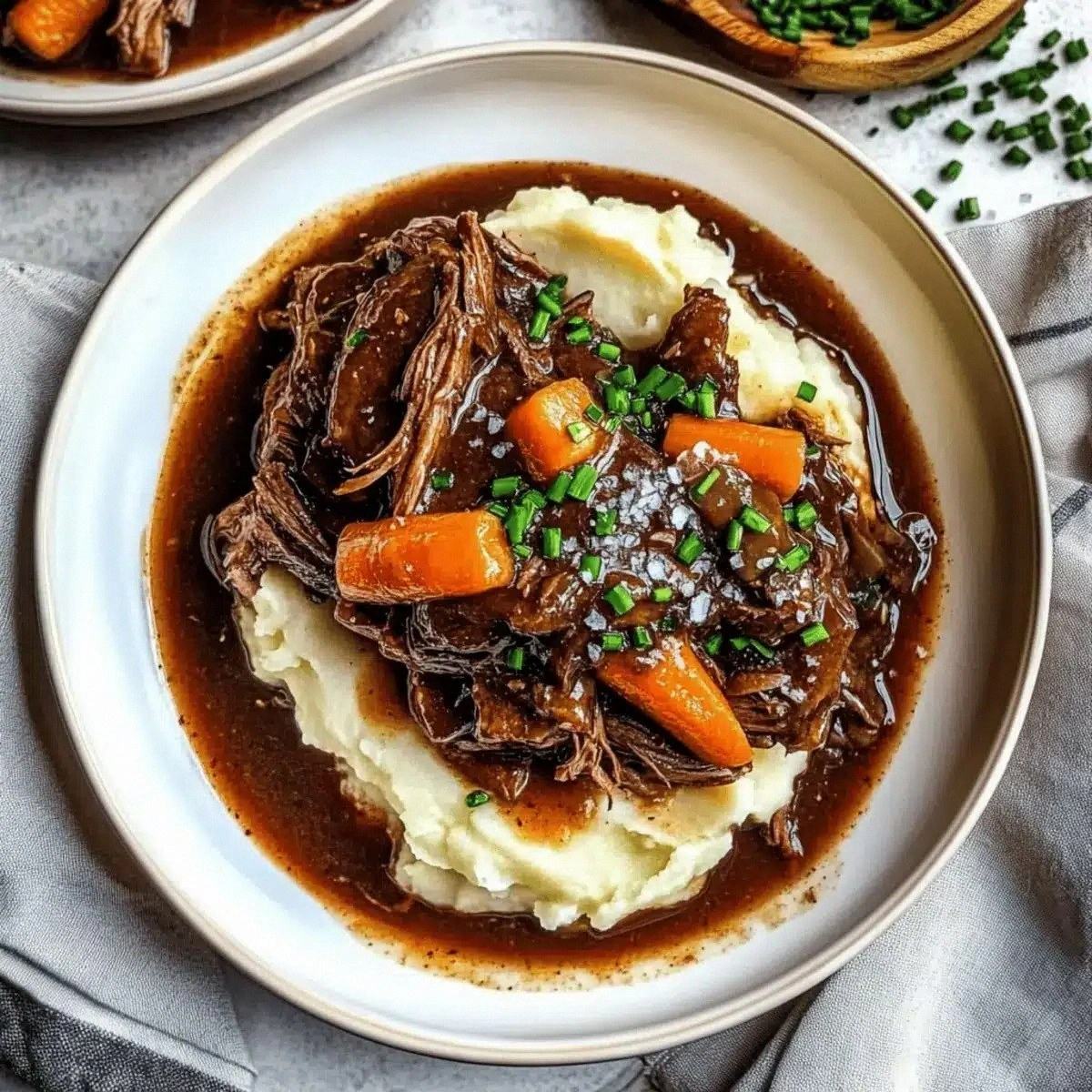
I was standing in my kitchen at 2 a.m., staring at a half‑cooked pot of generic beef stew that tasted like a sad Tuesday night. The onions were limp, the broth was watery, and the meat? About as tender as a shoe leather. I swear I heard my cat sigh in disappointment. That night I dared myself to reinvent the whole thing, and after a few frantic trips to the pantry and a bottle of bold red wine, I emerged with a dish that could make even the most seasoned food critic weep with joy. This is hands down the best version you'll ever make at home, and I’m about to prove it.
Picture this: the kitchen filled with the deep, caramel‑brown aroma of seared beef, mingling with the sweet perfume of caramelized onions and the earthy whisper of thyme. The sound of the wine sizzling as it hits the hot pan is like a tiny fireworks show, and the steam rising from the pot looks like a cozy blanket for your senses. When you finally dig your spoon in, the sauce clings to the meat like velvet, and the fork slides through the beef as if it were butter‑soft. Your taste buds get a high‑five from the acidity of the wine, the umami of the broth, and the subtle bite of Dijon mustard. It’s a full‑body experience that feels like a hug from your favorite sweater.
Why does this version stand out? Most recipes try to hide the beef’s natural flavor behind a mountain of spices, or they over‑cook it until it’s a dry, shredded mess. I kept it simple, letting the beef sing with just the right amount of salt, pepper, and a splash of soy sauce. The secret weapon? A splash of red wine that’s not just for show – it deglazes the pan, lifts those caramelized bits, and adds a depth that you’ll swear was achieved with a secret ingredient. And the finish? A buttery mash or creamy polenta that soaks up every last drop of sauce. I dare you to taste this and not go back for seconds.
Okay, ready for the game‑changer? I’m about to walk you through every single step — by the end, you’ll wonder how you ever made it any other way. Stay with me here — this is worth it.
What Makes This Version Stand Out
- Taste: The marriage of red wine, beef broth, and a whisper of Dijon creates a sauce that’s both bright and comforting, like a jazz solo that never ends.
- Texture: Braising the chuck roast low and slow yields meat that falls apart with the gentlest nudge, while the carrots stay tender‑crisp, adding a pleasant bite.
- Simplicity: Only eleven pantry staples are needed; no exotic spices, no complicated techniques – just good ingredients and patience.
- Uniqueness: The use of leeks instead of just onions adds a subtle sweetness that most recipes overlook, giving the dish a layered flavor profile.
- Crowd Reaction: Friends have called this “the ultimate comfort food” and have begged for the recipe after just one spoonful.
- Ingredient Quality: A well‑marbled chuck roast is the star; its fat renders into the sauce, turning it into liquid gold.
- Cooking Method: The sear‑then‑braise technique locks in juices and creates that coveted caramelized crust before the slow simmer.
- Make‑Ahead Potential: This dish actually tastes better the next day, making it perfect for meal‑prep or a stress‑free dinner after a long workweek.
Inside the Ingredient List
The Flavor Base
The sweet onion and leeks are the aromatic backbone of this dish. When you sauté them until they turn translucent and start to caramelize, they release sugars that balance the acidity of the wine. If you skip them, the sauce will lack that deep, rounded flavor and feel a bit flat. As a swap, you can use a shallot for a milder profile, but you’ll lose some of the hearty depth that only a full onion can provide.
Garlic, of course, adds that unmistakable punch. Four cloves, crushed, will infuse the broth with a fragrant warmth that lingers on the palate. If you’re allergic or just not a fan, a teaspoon of garlic powder can substitute, but fresh garlic is always the champion.
The Texture Crew
Carrots bring a subtle sweetness and a pop of color that brightens the dark, glossy sauce. They also hold up well during the long braise, staying tender without turning mushy. If you’re looking for a twist, try adding parsnips or turnips – they’ll echo the carrot’s sweetness while adding an earthy nuance.
The beef chuck roast is the hero. Choose a piece with good marbling – the intramuscular fat melts into the sauce, enriching it. When you buy, look for a roast that’s a deep cherry‑red color with visible streaks of fat. If you can’t find chuck, a short rib or even a well‑marbled brisket will work, but the cooking time may need a slight adjustment.
The Unexpected Star
Red wine isn’t just for drinking; it’s a flavor catalyst. The acidity cuts through the richness of the beef, while the tannins add structure to the sauce. A full‑bodied Cabernet or a robust Merlot works best. If you’re on a budget, a decent boxed wine with a deep color will still deliver the needed complexity.
Soy sauce or Worcestershire sauce adds a salty umami punch that deepens the broth without overwhelming the palate. I prefer soy sauce for its clean, salty profile, but Worcestershire gives a subtle tang that some love. Either way, it’s a secret weapon that most “classic” recipes overlook.
The Final Flourish
Mashed potatoes or polenta serve as the perfect vehicle for the sauce. The creamy texture soaks up every drop, making each bite a harmonious blend of meat, veg, and liquid gold. If you’re gluten‑free, go with polenta; if you love a buttery finish, stick with mashed potatoes and fold in a knob of butter right before serving.
Fresh thyme and bay leaves bring an aromatic lift that transforms the broth from simple to sophisticated. The thyme’s piney notes and the bay leaf’s subtle floral hint weave through the sauce as it simmers. Remember to remove the bay leaves before plating – they’re not meant to be chewed.
Everything's prepped? Good. Let's get into the real action...
The Method — Step by Step
Pat the chuck roast dry with paper towels, then season generously with kosher salt and freshly ground black pepper. The seasoning should coat the meat like a thin dusting of snow. Heat the neutral oil in a heavy Dutch oven over medium‑high heat until it shimmers. When the oil is hot, place the beef in the pot and sear each side for about 4‑5 minutes, until a deep, caramelized crust forms. That sizzle when it hits the pan? Absolute perfection. Remove the meat and set aside; you’ll hear it whisper “thank you” later.
In the same pot, add the chopped sweet onion, sliced leeks, and diced carrots. Toss them into the residual fat and let them sweat for 6‑8 minutes, stirring occasionally. You’re looking for a softening of the veggies and a faint golden hue – the edges will start pulling away from the pan. This is the moment of truth: if the veggies stick, increase the heat just a touch; if they brown too quickly, lower it.
Add the minced garlic and tomato paste, stirring constantly for another 2 minutes. The paste will darken, turning a rich, rust‑colored shade that signals the development of deep umami. Watch Out: Tomato paste can burn fast, so keep the heat moderate and keep it moving.
Pour in the entire bottle of red wine, letting it bubble up and reduce by roughly one‑third, which should take about 10 minutes. As the wine reduces, the sauce thickens and the alcohol evaporates, leaving behind a concentrated, glossy base. If you’re impatient, you can increase the heat, but watch the sauce closely – you don’t want it to scorch.
Return the seared beef to the pot, nestling it among the veggies. Add the beef broth, soy sauce (or Worcestershire), Dijon mustard, bay leaves, and fresh thyme sprigs. The liquid should come up about two‑thirds of the way up the meat; if it looks low, add a splash more broth or water. Bring the mixture to a gentle boil, then immediately lower to a simmer.
Cover the pot with a tight‑fitting lid and transfer it to a pre‑heated oven set to 300°F (150°C). Let the beef braise for 2½ to 3 hours. You’ll know it’s done when a fork slides in with barely any resistance and the meat begins to pull apart in glorious ribbons. The oven’s steady, low heat ensures even cooking and prevents the sauce from boiling away.
While the beef is finishing, prepare your mashed potatoes or polenta. For mashed potatoes, boil peeled potatoes until fork‑tender, then mash with butter, cream, and a pinch of flaky sea salt. For polenta, simmer coarse cornmeal in broth until creamy, then stir in butter and Parmesan. This side will act as a plush pillow for the beef, soaking up every last drop of sauce.
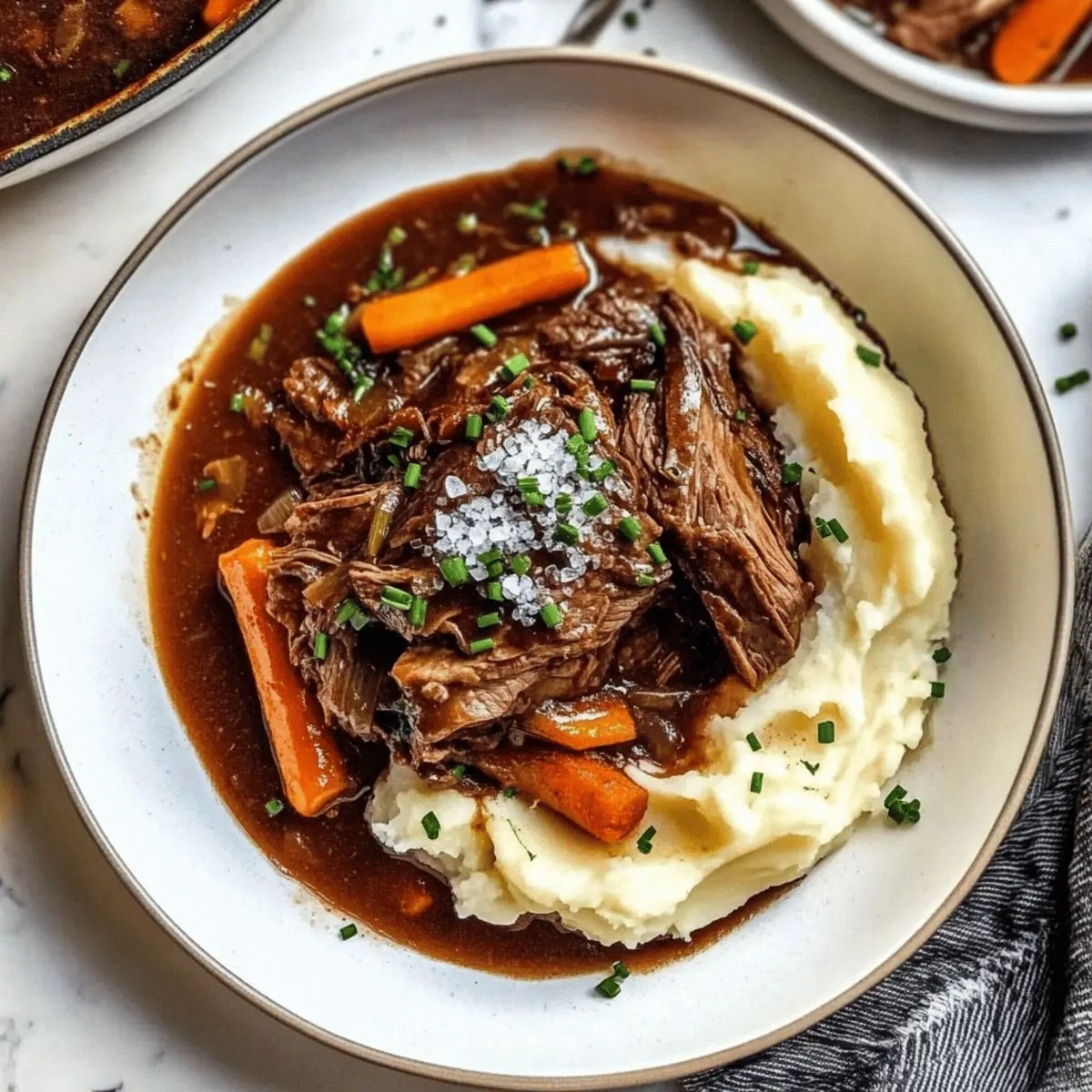
When the braise is complete, remove the beef and let it rest on a cutting board for 10 minutes. Meanwhile, skim any excess fat from the surface of the sauce, then stir in the chopped chives for a fresh, herbal lift. Slice the beef against the grain into thick pieces, arrange them atop the mashed potatoes or polenta, and spoon the glossy sauce over everything. Finish with a sprinkle of flaky sea salt for texture and a final burst of flavor.
That’s it — you did it. But hold on, I’ve got a few more tricks that’ll take this to another level… Picture yourself pulling this out of the oven, the whole kitchen smelling incredible, and the first bite melting like butter on a hot skillet. I’m still thinking about that moment, and I promise you’ll be too.
Insider Tricks for Flawless Results
The Temperature Rule Nobody Follows
Never start a braise with a cold pot. Let the Dutch oven sit on the stove for a minute before adding oil. A hot pan ensures the meat sears instantly, forming that coveted crust. I once tried searing in a cold pot and ended up with a soggy, gray piece of meat – lesson learned.
Why Your Nose Knows Best
Your sense of smell is a better indicator of doneness than a timer. When the sauce begins to smell nutty and the wine’s sharp edge softens, you’re nearing the perfect reduction. If the aroma stays sharp and acidic, keep simmering a few more minutes.
The 5‑Minute Rest That Changes Everything
After you pull the beef from the oven, let it rest uncovered for exactly five minutes. This short pause lets the juices redistribute, preventing them from spilling out when you slice. A friend tried to skip this step once – the meat was dry, and the sauce turned into a watery mess. Don’t be that friend.
Deglaze With a Twist
Instead of just wine, add a splash of balsamic vinegar during the deglazing stage. The vinegar adds a sweet‑tart complexity that lifts the whole dish. It’s a tiny tweak that makes the sauce feel more layered.
Finish With Fresh Herbs
Stir in a handful of chopped chives or flat‑leaf parsley right before serving. The fresh herbs add a bright contrast to the deep, earthy sauce and make the dish look restaurant‑ready without any plating gymnastics.
Creative Twists and Variations
This recipe is a playground. Here are some of my favorite ways to switch things up:
Mushroom Medley
Add a cup of sliced cremini or shiitake mushrooms during the veggie sauté. They’ll soak up the wine and broth, adding an earthy umami boost that pairs beautifully with the beef.
Spicy Kick
Stir in a teaspoon of smoked paprika and a pinch of cayenne when you add the tomato paste. The smoke deepens the flavor, while the heat gives the dish a subtle zing that wakes up the palate.
Herb‑Infused Red Wine
Before deglazing, infuse the wine with a sprig of rosemary and a few peppercorns for 10 minutes. Strain and use the aromatized wine for a fragrant twist that feels like a holiday feast.
Root Veggie Remix
Swap carrots for a mix of parsnips, turnips, and sweet potatoes. The varied sweetness and earthiness create a more complex bite, perfect for a chilly autumn night.
Polenta Power
Instead of mashed potatoes, serve the braised beef over creamy Parmesan polenta. The corn flavor adds a subtle sweetness that balances the wine’s acidity.
Storing and Bringing It Back to Life
Fridge Storage
Let the beef and sauce cool to room temperature, then transfer to an airtight container. It will keep for up to 4 days in the refrigerator. When reheating, add a splash of beef broth or water and stir gently over low heat to revive the sauce’s silkiness.
Freezer Friendly
Portion the braised beef and sauce into freezer‑safe bags or containers, leaving a little headspace for expansion. Freeze for up to 3 months. Thaw overnight in the fridge, then reheat in a saucepan, again adding a splash of liquid to prevent drying.
Best Reheating Method
The stovetop is your best friend. Warm the beef and sauce over medium‑low heat, stirring occasionally. Add a teaspoon of water or broth per cup of sauce to steam it back to perfection. Avoid microwave if you can; it creates uneven heating and can make the meat rubbery.