Love this? Pin it for later! 📌
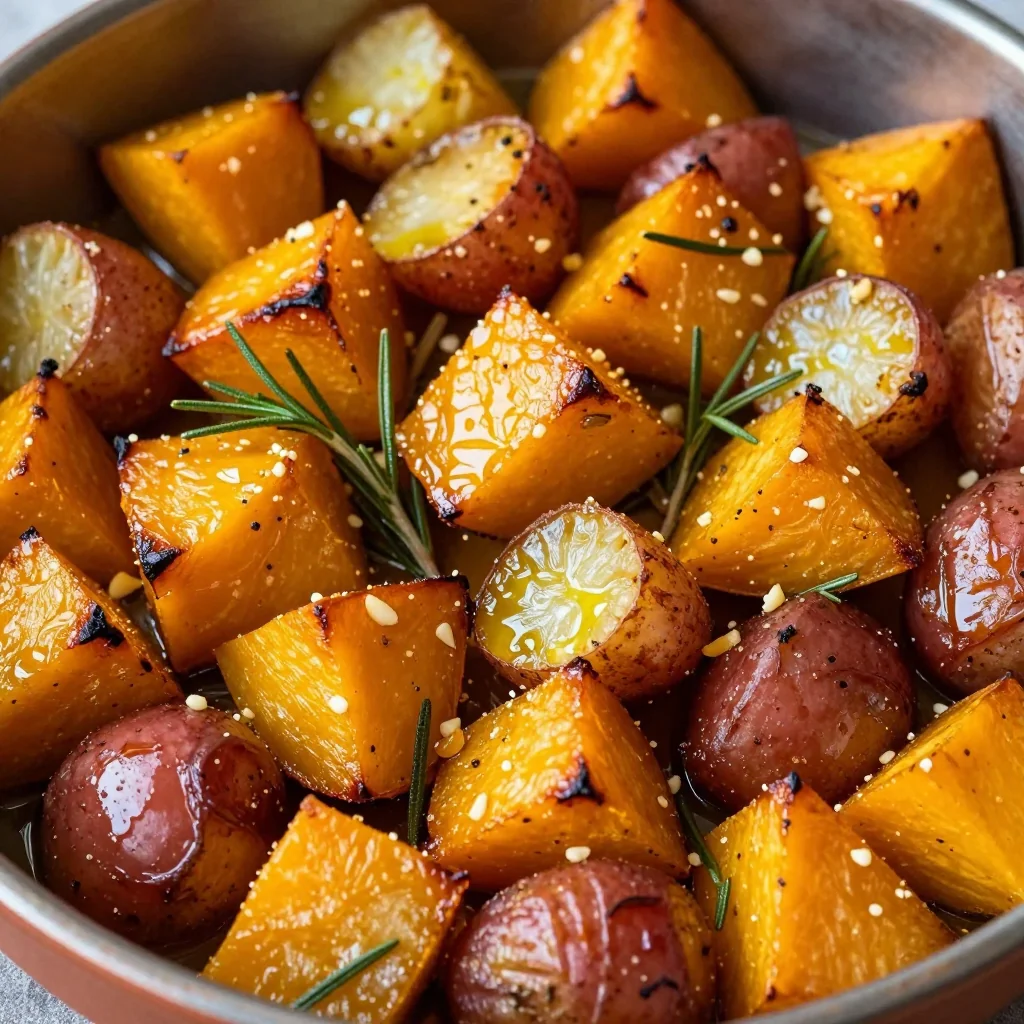
I first created this recipe during a particularly brutal January when the skies had been gray for what felt like weeks. My farmer's market haul included the most gorgeous kabocha squash with its forest-green skin and vibrant orange flesh, plus some baby potatoes that were calling my name. What started as a "clean out the crisper" dinner quickly became the meal my family requests every winter. The way the garlic mellows and sweetens in the oven, how the edges of the squash develop those irresistible caramelized bits, and how the potatoes become crispy outside yet fluffy inside—it's pure winter comfort on a plate.
What I love most about this recipe is its forgiving nature. Whether you're feeding a crowd on a snowy evening or meal-prepping for busy weeknights, it delivers maximum flavor with minimal effort. Plus, the vibrant colors somehow make even the dreariest January day feel a little brighter.
Why This Recipe Works
- One-Pan Wonder: Everything roasts together on a single sheet pan, making cleanup a breeze after a long day
- Flavor Layering: Roasting garlic alongside the vegetables creates a sweet, nutty essence that permeates every bite
- Nutritional Powerhouse: Packed with vitamin A, vitamin C, potassium, and fiber to boost your winter immunity
- Completely Customizable: Swap in your favorite winter squash or add different herbs to suit your taste
- Meal Prep Friendly: Roasts beautifully ahead of time and reheats like a dream for busy weeknights
- Vegetarian Comfort: Satisfying enough to serve as a main dish, yet pairs perfectly with roasted chicken or pork tenderloin
Ingredients You'll Need
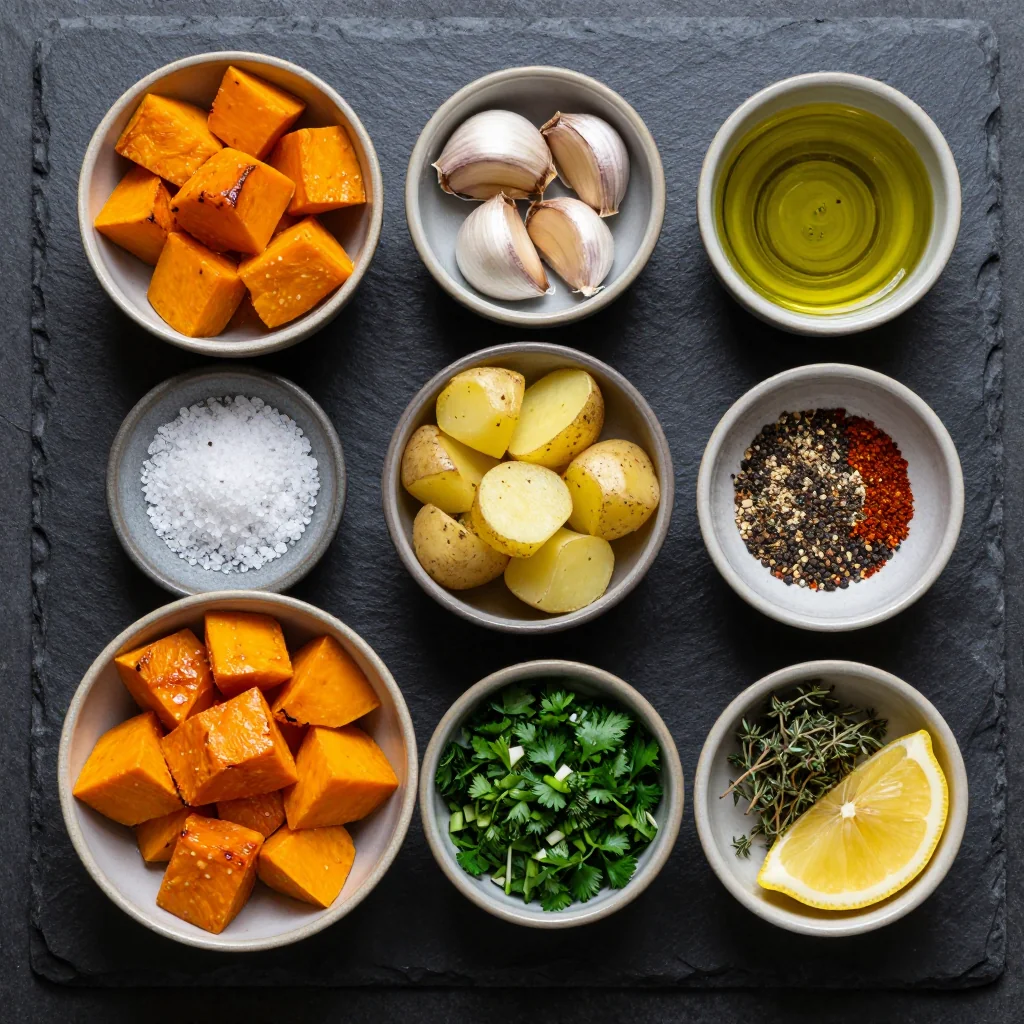
The beauty of this recipe lies in its simplicity—just a handful of ingredients that, when combined and roasted, create something far greater than the sum of their parts. Each component plays a crucial role in building layers of flavor that will have everyone asking for seconds.
Winter Squash: I prefer kabocha squash for its naturally sweet flavor and creamy texture, but butternut, acorn, or even delicata work beautifully. When selecting squash at the market, look for ones that feel heavy for their size with dull, not shiny, skin. The stem should be intact and corky. A 2-3 pound squash will yield about 4 cups of cubed flesh—perfect for this recipe.
Potatoes: Baby potatoes are my go-to because they require no peeling and hold their shape well during roasting. The thin skin crisps up beautifully in the oven. If you can't find baby potatoes, use small Yukon Golds or red potatoes cut into 1-inch pieces. Avoid russets here—they'll fall apart and become mealy.
Garlic: Please don't skimp on the garlic! As it roasts, it transforms from sharp and pungent to sweet and almost nutty. I use a generous 8-10 cloves, smashed rather than minced. This prevents burning while allowing the garlic oil to coat all the vegetables. If you're a garlic lover like me, feel free to add a few extra cloves.
Fresh Herbs: Winter-hardy herbs like rosemary and thyme are essential here. Their piney, resinous flavors complement the sweet squash perfectly. Strip the leaves from woody stems and give them a rough chop to release their aromatic oils. Fresh sage leaves, torn and scattered over the top in the last 10 minutes of roasting, add another dimension.
Olive Oil: Use a good quality extra-virgin olive oil—not just for drizzling, but for creating that essential caramelization. The oil helps conduct heat evenly and creates those gorgeous golden-brown edges we all fight over. Don't be shy; vegetables need adequate fat to roast properly rather than steam.
Seasonings: Keep it simple with sea salt and freshly cracked black pepper. The salt draws out moisture and concentrates flavors, while pepper adds gentle heat. A pinch of red pepper flakes provides subtle warmth without overwhelming the natural sweetness of the vegetables.
How to Make Warm Garlic Roasted Winter Squash with Potatoes for January Dinners
Prep Your Pan and Oven
Position a rack in the middle of your oven and preheat to 425°F (220°C). This high temperature is crucial for achieving that perfect caramelization. Line a large rimmed baking sheet with parchment paper for easy cleanup, or use a well-seasoned sheet pan for maximum browning. If your baking sheet is prone to warping at high temperatures, use two smaller ones to ensure even cooking.
Pro tip: Place your sheet pan in the oven while it preheats. Starting with a hot pan helps vegetables develop that irresistible crispy bottom.
Prepare the Winter Squash
Using a sharp chef's knife, carefully cut your squash in half. For kabocha or acorn squash with tough skin, microwave the whole squash for 2-3 minutes to soften slightly. Scoop out the seeds with a sturdy spoon (save them for roasting later if you're feeling ambitious!). Cut the squash into 1-inch wedges, then into chunks. There's no need to peel kabocha—the skin becomes tender and edible when roasted. For butternut squash, you'll want to peel it first using a vegetable peeler or sharp knife.
Aim for uniform pieces about 1-inch square. This ensures even cooking and perfect caramelization on all edges. Place the squash in a large mixing bowl.
Prep the Potatoes and Garlic
If using baby potatoes, simply give them a good scrub and pat dry. For larger potatoes, cut them into 1-inch pieces that match the size of your squash. The key is uniformity—this prevents some pieces from burning while others remain undercooked. Add the potatoes to the bowl with the squash.
Now for the garlic: take 8-10 cloves and place them on your cutting board. Lay the flat side of your chef's knife over each clove and give it a firm whack with your palm. This smashes the garlic, releasing its oils and flavor, while keeping the cloves mostly intact so they won't burn during the long roasting time.
Season Generously
Drizzle 1/4 cup of good olive oil over the vegetables. Add 2 teaspoons kosher salt, 1 teaspoon freshly ground black pepper, and a pinch of red pepper flakes if you like a subtle warmth. Strip the leaves from 4 sprigs of fresh rosemary and 3 sprigs of thyme, giving them a rough chop before adding to the bowl.
Now comes the important part: use your hands to toss everything together. Yes, your hands! They provide the best control and ensure every piece of vegetable is evenly coated with oil and seasonings. The squash should glisten with oil but not be swimming in it. Take a moment to massage the herbs into all the nooks and crannies.
Arrange for Success
Carefully remove your hot baking sheet from the oven. Working quickly to maintain the pan's heat, spread the vegetables in a single layer. Crowding the pan is the enemy of caramelization—if everything is piled on top of each other, the vegetables will steam instead of roast. Use two pans if necessary.
Ensure the cut sides of the squash and potatoes are facing down where possible. These flat surfaces will develop the most gorgeous golden-brown crust. Tuck the smashed garlic cloves throughout, making sure they're nestled among the vegetables where they can slowly roast and infuse everything with their sweet essence.
Roast to Perfection
Slide the pan into your preheated oven and set a timer for 20 minutes. This initial high-heat blast is crucial for developing those coveted caramelized edges. After 20 minutes, use a thin metal spatula to flip the vegetables. Be patient and gentle—those crispy bottoms will release easily when they're ready.
Continue roasting for another 15-20 minutes, until the squash is tender when pierced with a fork and the potatoes are golden-brown. The garlic should be soft and caramelized, almost like garlic candy. If you notice anything browning too quickly, simply move those pieces to a cooler part of the pan or reduce the oven temperature slightly.
The Final Touch
In the last 5 minutes of roasting, scatter 6-8 fresh sage leaves over the vegetables. The heat will crisp the sage slightly while infusing the dish with its earthy aroma. Alternatively, drizzle with a tablespoon of good balsamic vinegar for a touch of sweet-tart complexity.
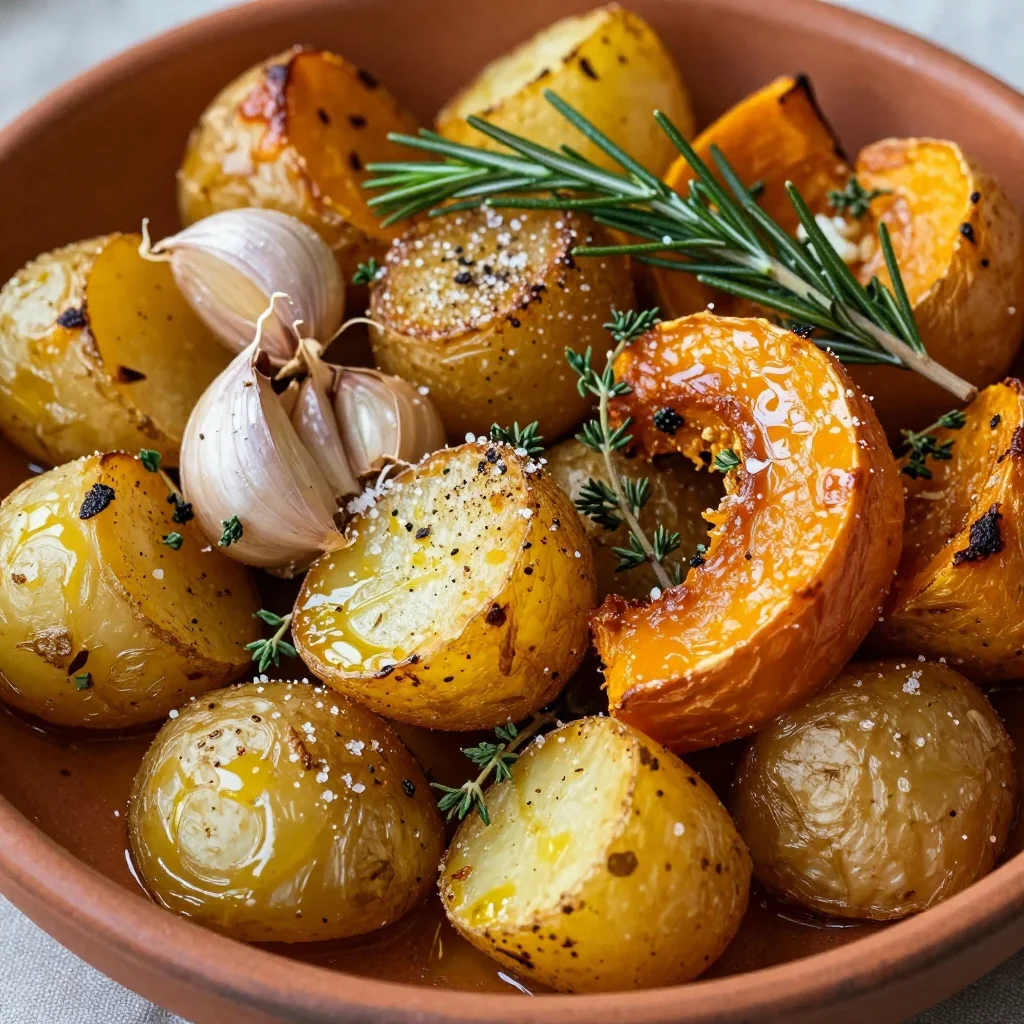
Remove from the oven and let rest for 5 minutes. This brief rest allows the vegetables to settle and makes them easier to serve. Taste and adjust seasoning with additional salt and pepper if needed. The vegetables should be tender inside with beautifully caramelized edges, the garlic soft and sweet, and the herbs fragrant and slightly crisp.
Expert Tips
Temperature is Key
Don't be tempted to reduce the oven temperature for faster cooking. High heat is essential for caramelization. If your vegetables are browning too quickly, move the rack lower or reduce temperature by 25°F, but never below 400°F.
Don't Crowd the Pan
Overcrowding is the enemy of crispy vegetables. Use two sheet pans if necessary, arranging vegetables in a single layer with space between pieces. This allows hot air to circulate and moisture to escape.
Make-Ahead Magic
Prep everything up to 24 hours ahead. Store cut vegetables in a bowl of cold water in the refrigerator to prevent browning. Drain and pat completely dry before seasoning and roasting.
Flip Once, Flip Right
Use a thin metal spatula and wait for vegetables to release naturally. If they're sticking, they need more time. Forcing them will tear off the delicious caramelized layers you're trying to achieve.
Season in Stages
Season vegetables before roasting, then taste and adjust after cooking. The flavors concentrate as moisture evaporates, so what tastes perfectly seasoned raw might need a final flourish of salt when hot.
Save Those Seeds
Don't discard squash seeds! Rinse, pat dry, toss with oil and salt, then roast at 300°F for 15-20 minutes until golden. They make a delicious, nutritious snack or garnish for your finished dish.
Variations to Try
Mediterranean Twist
Add halved shallots and whole cherry tomatoes during the last 15 minutes of roasting. Finish with crumbled feta cheese, chopped olives, and a squeeze of fresh lemon juice.
Maple-Glazed Version
Drizzle with 2 tablespoons pure maple syrup and 1 tablespoon Dijon mustard mixed together during the last 10 minutes of roasting for a sweet-savory glaze.
Spicy Harissa
Mix 2 tablespoons harissa paste with the olive oil before tossing with vegetables. Add chickpeas to the pan for the last 15 minutes of roasting for added protein.
Autumn Harvest
Add cubed apples and parsnips to the mix. The apples will caramelize beautifully, adding natural sweetness that complements the savory herbs.
Storage Tips
Refrigeration
Store cooled vegetables in an airtight container in the refrigerator for up to 4 days. To maintain the best texture, place a paper towel in the container to absorb excess moisture. The vegetables will continue to release steam as they cool, which can make them soggy if trapped.
For meal prep success, divide into individual portions. These reheat beautifully in a 400°F oven for 10-12 minutes, or in a skillet over medium heat with a touch of olive oil. The microwave works in a pinch, but you'll lose the crispy edges that make this dish special.
Freezing
While roasted vegetables can be frozen, the texture will change upon thawing—they become softer and less crisp. If you choose to freeze, let them cool completely, then spread in a single layer on a parchment-lined baking sheet. Freeze until solid, then transfer to freezer bags for up to 3 months.
Thaw overnight in the refrigerator and reheat in a hot oven or skillet. They're perfect for adding to soups, stews, or pureed into dips where texture is less critical.
Make-Ahead Magic
Prep vegetables up to 24 hours ahead and store separately in the refrigerator. The squash can be cut and stored in a bowl of cold water to prevent drying. Drain and pat completely dry before seasoning. Mix the oil and seasonings in a jar so you can quickly toss everything together when ready to roast.
Frequently Asked Questions
Absolutely! While kabocha is my favorite for its creamy texture and edible skin, butternut, acorn, delicata, or even pumpkin work beautifully. Each brings its own character—delicata is the sweetest with edible skin, butternut has the creamiest texture, and acorn offers a slightly nutty flavor. Cooking times may vary slightly, so check tenderness with a fork starting at 30 minutes.
The most common culprits are overcrowding the pan, insufficient heat, or excess moisture. Make sure vegetables are in a single layer with space between pieces. Pat them completely dry after washing. Ensure your oven is fully preheated to 425°F—an oven thermometer helps verify accuracy. Finally, resist the urge to stir too frequently; let them develop that caramelized crust before flipping.
This recipe is naturally vegan! For added protein, toss in a can of drained chickpeas during the last 15 minutes of roasting, or serve alongside pan-seared tofu. For meat-eaters, it pairs beautifully with roasted chicken thighs, seared pork chops, or even crumbled Italian sausage added to the pan for the final 10 minutes.
Winter-hardy herbs like rosemary, thyme, and sage are perfect for roasting as their robust flavors intensify in high heat. Fresh herbs are ideal, but dried work too—use 1/3 the amount. Avoid delicate herbs like basil or cilantro, which will burn. A bay leaf or two tucked among the vegetables adds subtle complexity.
Perfectly roasted vegetables should be tender when pierced with a fork, with golden-brown, slightly crispy edges. The squash should be creamy inside, not mushy. The garlic should be soft and caramelized. Trust your senses—the vegetables will smell nutty and sweet, and you'll see caramelization around the edges where they touched the pan.
Absolutely! Use two sheet pans and rotate their positions halfway through cooking. You may need to increase the cooking time by 5-10 minutes since you'll have more vegetables releasing moisture. Consider roasting in batches if your oven is small—crowded pans will steam rather than roast the vegetables.
warm garlic roasted winter squash with potatoes for january dinners
Ingredients
Instructions
- Preheat and prep: Heat oven to 425°F. Line a large rimmed baking sheet with parchment.
- Cut vegetables: Cut squash into 1-inch pieces (no need to peel kabocha). Halve baby potatoes if large.
- Season: Toss squash, potatoes, and garlic with olive oil, salt, pepper, and herbs.
- Roast: Spread on prepared sheet in single layer. Roast 20 minutes.
- Flip and continue: Flip vegetables and roast another 15-20 minutes until tender and golden.
- Finish: Add sage leaves during last 5 minutes. Drizzle with balsamic if using.
Recipe Notes
Don't overcrowd the pan—use two sheets if needed for even caramelization. Store leftovers refrigerated for up to 4 days. Reheat in a 400°F oven for best texture.