
It began with a kitchen catastrophe that would haunt me for months. I had just finished roasting a bag of raw almonds for a batch of homemade trail mix, only to realize I’d accidentally dropped them into a saucepan full of boiling water. The almonds popped, splashed, and the whole kitchen smelled like burnt sugar. I stared at the scorched mess, feeling the sting of disappointment, until a friend’s laugh echoed in the doorway and reminded me that every disaster can be turned into a delicious opportunity.
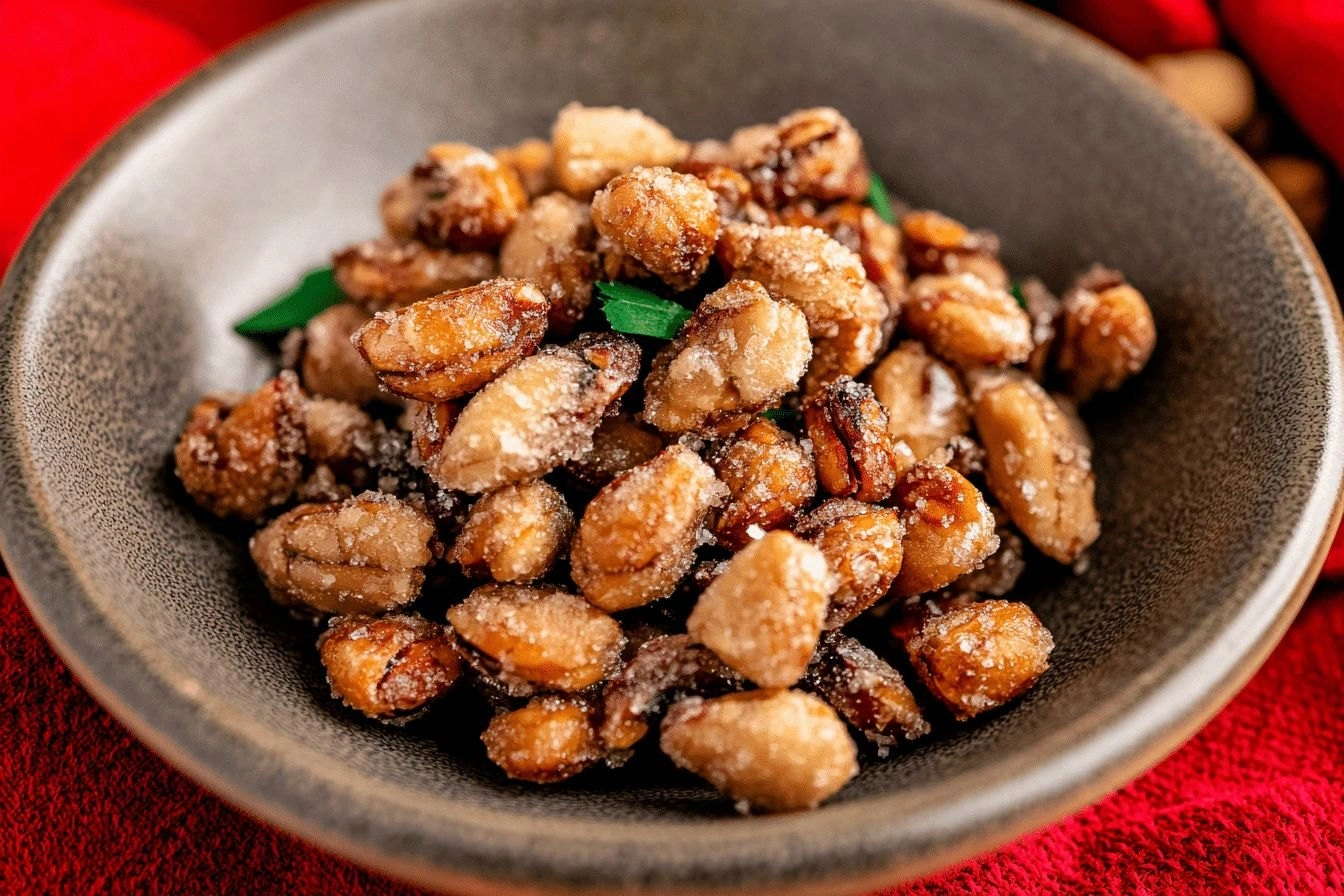
That moment sparked a craving for something sweet, crunchy, and utterly addictive. I imagined a bowl of almonds coated in a glossy, caramelized glaze that clung to each nut like a second skin. The anticipation of the first bite—crisp on the outside, tender and nutty on the inside—was almost too much to handle. I could already hear the satisfying crunch echoing through my ears, the faint scent of butter and sugar rising from the pan, and the soft, comforting warmth that spreads when you hold a handful of freshly candied almonds.
What makes this version stand out is that it eliminates the common pitfalls that turn simple candied nuts into soggy, unevenly sweet treats. The technique I’ll share ensures a buttery glaze that sets perfectly, a caramelization process that brings out the almonds’ natural nuttiness, and a final touch of sea salt that cuts through the sweetness. I’ll also reveal a secret ingredient that elevates the flavor profile without complicating the recipe. The result is a snack that feels like a luxury dessert but can be whipped up in a single pan.
Now, let’s walk through each step together. By the end, you’ll be amazed at how simple it is to create a snack that feels like a gourmet indulgence. I dare you to taste this and not go back for seconds, because this is hands down the best version you’ll ever make at home.
What Makes This Version Stand Out
- Flavor: A balanced sweet‑salty profile that highlights the almonds’ natural richness.
- Texture: A crisp exterior with a tender, buttery interior that melts in your mouth.
- Speed: The entire process takes under 45 minutes, making it ideal for a quick dessert or snack.
- Simplicity: Uses only pantry staples—no need for specialty sugars or equipment.
- Make‑ahead: Candied almonds can be stored airtight for up to two weeks, making them perfect for parties.
- Versatility: Works as a topping for salads, yogurt, or baked goods, or as a standalone treat.
- Visual Appeal: The glossy glaze gives the nuts a professional, glossy finish that looks great in photos.
- Health‑Friendly: While indulgent, the almonds provide protein and healthy fats, keeping the snack balanced.
Inside the Ingredient List
The Flavor Base
Almonds are the star of this recipe. I use raw almonds because they absorb the glaze more evenly and retain their crunch. If you prefer a slightly sweeter nut, try blanched almonds; they’ll have a lighter color but still work well. Skipping almonds would turn this into a simple sugar syrup, losing the nutty backbone that gives the dish its character.
The Sweetener
White sugar is the classic choice for candied nuts. It dissolves cleanly and caramelizes at a predictable rate, giving the glaze its signature shine. I recommend using a fine-grained sugar for a smoother finish. If you’re looking to reduce refined sugar, you can experiment with honey or maple syrup, but the texture may shift toward a stickier consistency.
The Binding Agent
Water is essential for dissolving the sugar and creating a syrup that coats the almonds. A small amount—about a quarter cup—keeps the glaze from becoming overly thick. If you substitute water with milk, the glaze will develop a richer flavor but may brown faster, so watch the pan closely.
Butter adds a silky mouthfeel and a depth of flavor that plain sugar can’t match. Two tablespoons are enough to coat the almonds without overpowering the nut. For a dairy-free version, try a plant‑based butter; the result will be slightly lighter but still delicious.
Sea salt is a subtle counterpoint to the sweetness. A pinch is all that’s needed to cut through the sugary glaze and highlight the almonds’ natural oils. If you’re watching sodium, reduce the salt to a quarter pinch, but be aware the glaze may taste a bit flatter.
Vanilla extract is the secret ingredient that elevates this dish to gourmet status. Half a teaspoon provides a warm, floral note that balances the caramelization. A drop of almond extract can replace vanilla for a more pronounced nutty aroma, but vanilla works best for this particular combination.
Ground cinnamon adds a subtle warmth and a hint of spice that pairs beautifully with the sweet glaze. A quarter teaspoon is enough to give a gentle kick without overwhelming the other flavors. If you prefer a smoky touch, a pinch of smoked paprika can be an interesting twist.
Everything’s prepped? Good. Let’s get into the real action.
The Method — Step by Step
- Begin by heating a large, heavy‑bottomed saucepan over medium heat. Add the raw almonds and toast them for 3–4 minutes, stirring frequently. You should hear a gentle sizzle and notice the almonds turning a golden brown. This step unlocks the nut’s natural oils and builds a foundation for the glaze.
- Pour in the quarter cup of water and let it come to a gentle boil. As soon as the water starts to bubble, sprinkle in the cup of sugar all at once. Stir until the sugar dissolves completely; the mixture should become clear and slightly syrupy. Watch the color change—this indicates the caramelization is beginning.
- Add the two tablespoons of butter to the pan. The butter will melt and mix with the syrup, creating a glossy, buttery glaze that coats each almond. Keep the heat at medium and stir continuously so the butter doesn’t brown. The glaze should be thick enough to cling to the nuts but still pourable.
- Season the mixture with a pinch of sea salt and half a teaspoon of vanilla extract. Stir in the optional cinnamon if you’re using it. The salt will cut through the sweetness, while the vanilla adds depth. The aroma at this point should be intoxicating—sweet, buttery, and nutty.
- Reduce the heat to low and let the almonds simmer in the glaze for 8–10 minutes. Stir occasionally, making sure each almond is evenly coated. The glaze will thicken as it reduces, and the almonds will start to take on a glossy sheen. This is the moment of truth: if you see the glaze pulling away from the pan, you’re ready.
- Remove the pan from the heat and pour the candied almonds onto a sheet of parchment paper. Spread them out in a single layer, allowing the glaze to set and the almonds to cool. They will firm up quickly, so work fast to prevent clumping.
- Let the almonds cool for 5–7 minutes, then transfer them to an airtight container. The glaze will harden slightly, creating a satisfying crunch that snaps when you bite. Store them at room temperature for up to two weeks.
- Before serving, give the almonds a quick shake to redistribute the glaze if it has settled. The result is a glossy, caramelized snack that feels like a dessert but is surprisingly light.
That’s it—you did it. But hold on, I’ve got a few more tricks that will take this to another level.
Insider Tricks for Flawless Results
The Temperature Rule Nobody Follows
Most people think a high heat is necessary for caramelization, but that can lead to burnt sugar. I’ve found that maintaining a steady medium‑low temperature (around 180°C/350°F) ensures a smooth glaze that adheres perfectly. If your stove runs hot, lower the flame and keep a close eye on the mixture. The payoff is a glossy finish that doesn’t taste of burnt sugar.
Why Your Nose Knows Best
Smell is your best judge of readiness. When the glaze starts to thicken and the almonds emit a sweet, buttery aroma, you’re almost there. A faint hint of vanilla will signal that the vanilla has infused the mixture. Trust your nose, and you’ll avoid overcooking.
The 5‑Minute Rest That Changes Everything
Letting the candied almonds sit on parchment for 5 minutes after removal from heat is crucial. This short rest allows the glaze to set and the nuts to cool, preventing the glaze from becoming too soft. It also gives the almonds a satisfying crunch that snaps when you bite.
Stirring Technique for Even Coating
Use a silicone spatula to gently stir the almonds, ensuring each piece is coated. The spatula’s heat resistance prevents the glaze from scorching. A gentle, circular motion helps distribute the glaze evenly and prevents clumping.
Storage Secrets for Long‑Term Freshness
Store the cooled almonds in an airtight container at room temperature. If you’re in a humid environment, add a small piece of fresh bread to absorb moisture and keep the almonds crisp. For longer storage, freeze in a sealed bag; just thaw before serving.
Creative Twists and Variations
This recipe is a playground. Here are some of my favorite ways to switch things up:
Spicy Chili‑Lime
Add a pinch of cayenne pepper and a squeeze of lime juice to the glaze for a fiery, citrusy kick. The heat balances the sweetness, while the lime brightens the flavor profile. Perfect for a summer snack.
Maple‑Glazed
Replace the sugar with equal parts maple syrup and water. The maple’s depth pairs wonderfully with the almonds, creating a richer, earthy sweetness. A dash of sea salt accentuates the maple notes.
Chocolate‑Covered Almonds
After the candied almonds have cooled, drizzle melted dark chocolate over them. Let the chocolate set before serving. The combination of caramelized sugar and bittersweet chocolate is irresistible.
Herb‑Infused
Stir in a teaspoon of dried rosemary or thyme during the glaze phase. The herbal aroma adds an unexpected savory layer that pairs well with the sweet glaze. Great for a savory snack option.
Almond‑Butter Swirl
Blend almond butter into the glaze just before removing the pan from heat. The butter will give the coating a silky, nutty flavor and a smoother texture. The result is a decadent, nutty treat.
Vegan Variation
Use coconut oil instead of butter and maple syrup in place of sugar. The coconut oil adds a subtle tropical note, while maple syrup provides a natural sweetness. This version is dairy‑free and still delivers that glossy finish.
Storing and Bringing It Back to Life
Fridge Storage
Keep candied almonds in an airtight container in the refrigerator for up to one week. The cold environment helps maintain their crunch. When you’re ready to eat, let them sit at room temperature for a few minutes to regain their natural aroma.
Freezer Friendly
For longer storage, place the almonds in a freezer‑safe zip‑top bag, removing as much air as possible. They’ll stay crisp for up to three months. To thaw, spread them on a baking sheet and bake at 150°C/300°F for 5 minutes.
Best Reheating Method
Reheat candied almonds in a dry skillet over low heat for 2–3 minutes, stirring constantly. Add a splash of water if the glaze starts to stick. This gentle method restores the crunch without melting the glaze.