I was standing in my kitchen, staring at a pan of overcooked shrimp that had turned a sad shade of rubbery, when my roommate shouted, “If you can’t fix that, you should just order pizza!” I laughed, but inside I felt a tiny spark of defiance. That night, after a frantic Google search and a half‑hour of culinary trial‑and‑error, I finally cracked the code for a shrimp dish that sings louder than a karaoke bar on a Saturday night. I dare you to taste this and not go back for seconds, because once you hear the buttery whisper of garlic meeting a splash of white wine, there’s no turning back.
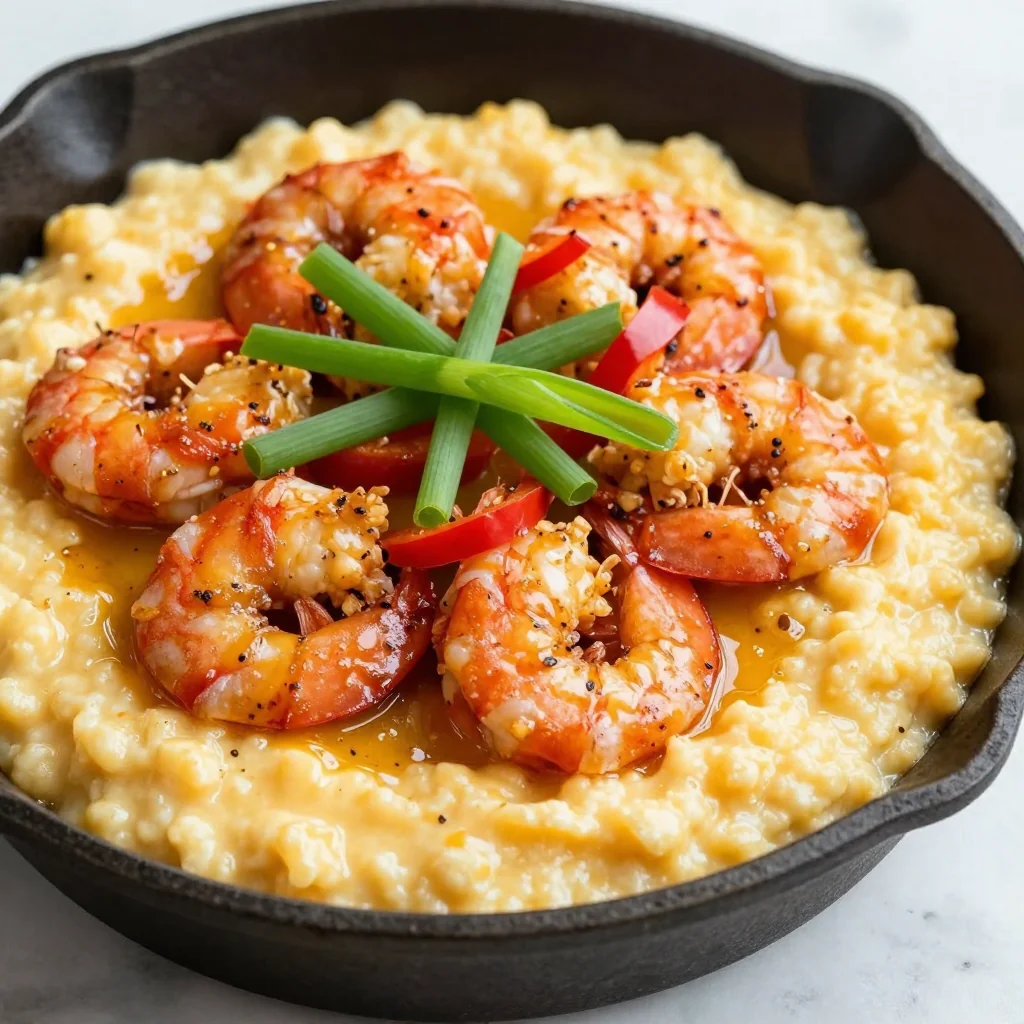
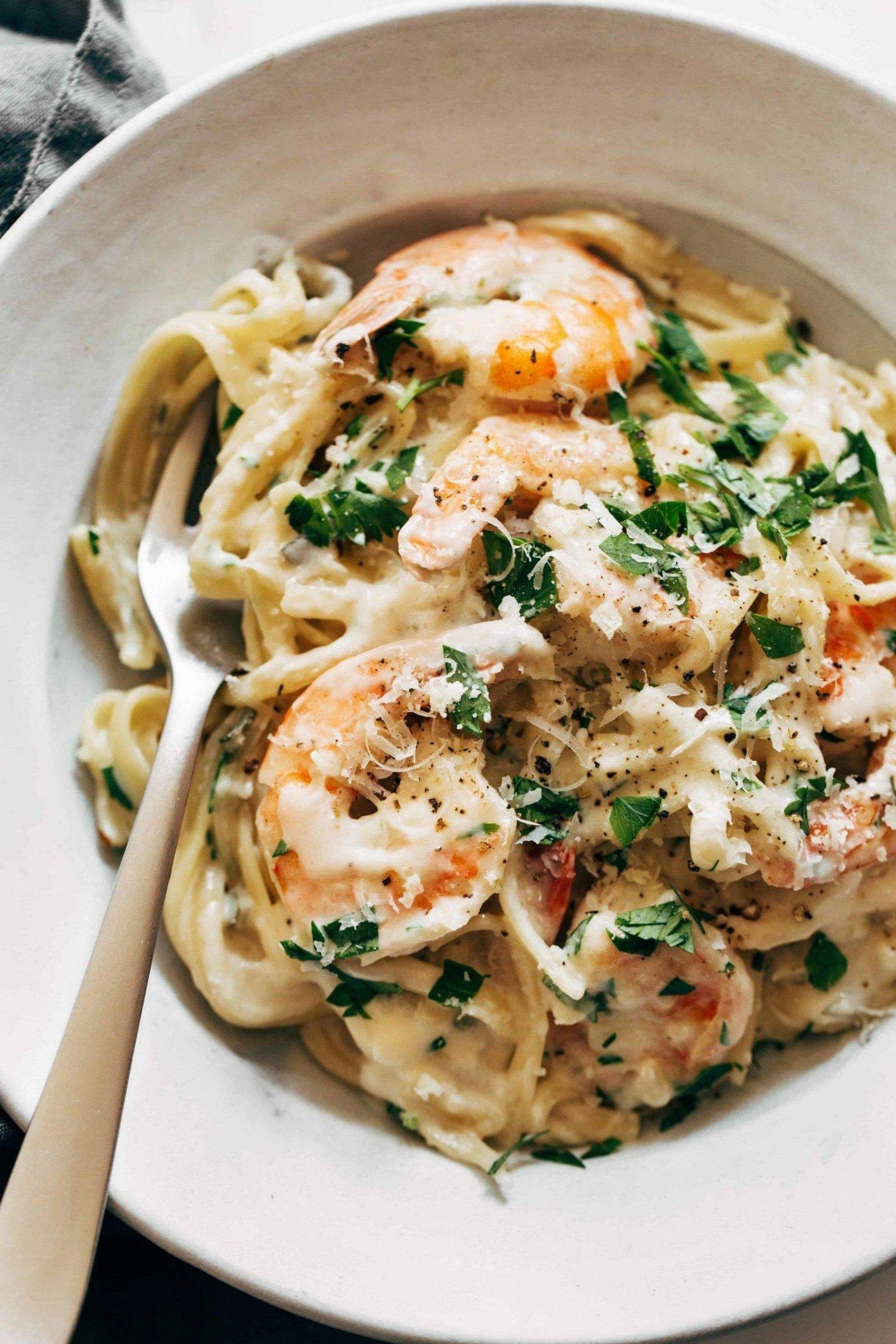
Picture this: a skillet humming as the butter melts, the aroma of garlic blooming like a midnight garden, and a splash of white wine that sizzles and evaporates, leaving behind a silky, glossy veil. The shrimp turn pink in seconds, their edges crisping just enough to give you that satisfying snap that shatters like thin ice. Meanwhile, a cascade of cream and cheese swirls in, coating each strand of al dente pasta like velvet. The final squeeze of lemon lifts everything with a bright, citrusy pop that makes your taste buds do a little dance.
Most recipes get this completely wrong. They either drown the shrimp in a swamp of sauce or leave the pasta dry and lonely. Here’s what actually works: a precise butter‑to‑garlic ratio that creates a fragrant base, a short deglaze with white wine that adds depth without bitterness, and a finishing flourish of cream, cheese, and lemon that brings everything together in a harmonious crescendo. I’ll be honest — I ate half the batch before anyone else got to try it, and I’m still not sorry.
Okay, ready for the game‑changer? I’m about to reveal a sneaky technique that most home cooks overlook: the “cold‑but‑quick” pasta splash. You’ll plunge the cooked pasta into an ice‑water bath for just three seconds before tossing it into the sauce. This halts the cooking process, keeps the noodles firm, and lets the sauce cling to every ridge like a lover’s embrace. Let me walk you through every single step — by the end, you’ll wonder how you ever made it any other way.
What Makes This Version Stand Out
- Flavor Bomb: The combination of garlic, butter, and white wine creates a sauce that is both aromatic and buttery, with a subtle acidity that brightens the dish.
- Texture Play: Shrimp are seared just long enough to develop a caramelized crust while staying juicy, and the pasta stays al dente thanks to the quick ice‑water shock.
- Simplicity: Only seven core ingredients are needed, yet each one is treated with respect, making the dish feel luxurious without a long shopping list.
- Unique Twist: The “cold‑but‑quick” pasta splash is a secret that most restaurant chefs keep to themselves, ensuring the sauce clings perfectly.
- Crowd Reaction: I’ve served this at dinner parties and watched grown‑ups argue over who gets the last bite — that’s a success metric right there.
- Ingredient Quality: Fresh shrimp and a good dry white wine (think Sauvignon Blanc or Pinot Grigio) elevate the dish from good to unforgettable.
- Cooking Method: A single‑pan approach means less cleanup and more flavor concentration; every ingredient contributes to the final sauce.
- Make‑Ahead Potential: The sauce can be prepared up to a day in advance; just reheat gently and toss with freshly cooked pasta.
Inside the Ingredient List
The Flavor Base
Garlic and butter are the heart of this dish. The butter provides a rich, silky canvas, while the garlic brings a pungent, slightly sweet aroma that fills the kitchen like a warm hug. If you skip the garlic, you’ll lose that unmistakable “wow” factor, and the sauce will feel flat. For a deeper flavor, use a mix of peeled whole cloves and minced garlic; the whole cloves melt slowly, releasing subtle notes, while the minced bits give an instant punch.
The Texture Crew
Pasta and shrimp are the textural pillars. I recommend linguine or fettuccine because their flat surface hugs the sauce better than thin spaghetti. Fresh, wild‑caught shrimp (or the best you can find at your market) will give you that firm snap; frozen shrimp work too, but be sure to thaw completely and pat dry. If you overcook the shrimp, you’ll end up with a rubber band chew — not the experience we’re after.
The Unexpected Star
White wine is the secret liaison that binds the butter and garlic to the shrimp. Its acidity cuts through the richness, while the alcohol evaporates, leaving behind a nuanced, fruity undertone. Choose a dry wine you’d actually drink; a cheap “cooking wine” can add unwanted salt and artificial flavors. If you’re avoiding alcohol, replace it with a splash of chicken broth plus a teaspoon of white wine vinegar for the same bright effect.
The Final Flourish
Cream, cheese, and lemon complete the symphony. Cream adds body, cheese (preferably freshly grated Parmesan) contributes umami, and lemon provides a bright, citrusy lift that prevents the sauce from feeling heavy. Skipping any of these will make the sauce either too thin, too sharp, or too cloying. For a dairy‑free version, swap cream for coconut milk and cheese for nutritional yeast, but expect a different flavor profile.
Everything's prepped? Good. Let's get into the real action…
The Method — Step by Step
Start by bringing a large pot of salted water to a rolling boil. Add the pasta and cook it al dente — usually about 9 minutes for linguine, but check the package. Once done, quickly transfer the noodles to a bowl of ice‑water for exactly three seconds, then drain and set aside. That shock stops the cooking process and gives the pasta a firm bite that will hold up against the sauce.
Kitchen Hack: Toss the drained pasta with a drizzle of olive oil after the ice‑water dip to prevent it from sticking together.While the pasta is cooking, pat the shrimp dry with paper towels and season lightly with sea salt and cracked black pepper. Heat a large skillet over medium‑high heat and add the butter. Once it foams, introduce the minced garlic and whole cloves; stir for 30 seconds until you hear that sizzle that hits the pan? Absolute perfection.
Add the seasoned shrimp to the pan in a single layer. Let them sear undisturbed for about 1½ minutes — you’ll see the edges start to turn opaque and the underside develop a golden crust. Flip each piece and cook another minute. This quick sear locks in juices, giving you that succulent bite.
Watch Out: Overcrowding the pan will steam the shrimp instead of searing them. If necessary, work in batches.Now comes the deglaze. Pour in the white wine, and with a wooden spoon, scrape the browned bits from the bottom of the pan. Let the wine reduce by half, which should take about 2‑3 minutes. You’ll notice the sauce thickening and the aroma turning nutty — that’s the flavor base building.
Stir in the heavy cream, letting it mingle with the wine and butter. Reduce the heat to low and let the sauce simmer gently for another 2 minutes. At this point, the sauce should coat the back of a spoon and have a glossy sheen. If it looks too thin, let it reduce a touch longer; if it looks too thick, add a splash of pasta water.
Add the grated Parmesan cheese, stirring until it melts into the creamy mixture. The cheese not only adds umami but also helps thicken the sauce without turning it gritty. Taste and adjust seasoning with a pinch more salt if needed.
Toss the blanched pasta into the skillet, using tongs to lift and coat each strand. Then, return the shrimp to the pan, letting them mingle with the noodles for a minute so the flavors marry. Finally, zest the lemon over the top, then squeeze in the juice. The lemon zest gives a fragrant oil, while the juice brightens the entire dish.
Turn off the heat, cover the pan, and let it sit for a minute. This resting period lets the sauce adhere to the pasta and shrimp, creating that velvety coating you’ve been dreaming of. Serve immediately, garnished with a sprinkle of fresh parsley and an extra twist of lemon if you’re feeling fancy.
Kitchen Hack: If the sauce thickens too much after resting, whisk in a tablespoon of warm pasta water to loosen it without losing creaminess.
That's it — you did it. But hold on, I've got a few more tricks that'll take this to another level...
Insider Tricks for Flawless Results
The Temperature Rule Nobody Follows
Never start the sauce over high heat. A gentle medium‑low flame gives the butter and cream time to emulsify without separating. I once tried to speed things up on high, and the sauce curdled like a bad cheese sauce. Keep the heat steady, and you’ll get a luxuriously smooth texture every time.
Why Your Nose Knows Best
When the wine is reducing, trust the scent. You’ll notice a sweet, fruity aroma that transforms into a deeper, almost caramel note. If you can smell that change, the alcohol has evaporated, and the sauce is ready for cream. This sensory cue beats any timer.
The 5‑Minute Rest That Changes Everything
After you toss everything together, let the pan sit off the heat for five minutes. This pause allows the starches from the pasta to release a little extra starch, further binding the sauce to each noodle. A friend tried skipping this step once — let's just say the sauce slid off the pasta like a slippery eel.
Seasoning Layers, Not One Shot
Season at three points: after the garlic butter base, after the wine reduction, and finally after adding the cheese. Each layer builds depth, preventing a flat final flavor. If you only salt once, the sauce can taste bland in the middle.
The Power of Fresh Parmesan
Always grate cheese a few minutes before you need it. Freshly grated Parmesan melts quickly and distributes evenly, whereas pre‑grated packaged cheese contains anti‑caking agents that can make the sauce gritty. For an extra nutty note, toast the grated cheese lightly in a dry pan before adding it.
Creative Twists and Variations
This recipe is a playground. Here are some of my favorite ways to switch things up:
Spicy Sriracha Swirl
Add a tablespoon of Sriracha to the cream before you stir in the cheese. The heat pairs beautifully with the lemon’s brightness, creating a sweet‑heat balance that will make spice lovers swoon.
Herb‑Infused Delight
Swap the lemon zest for a handful of fresh basil leaves, torn just before serving. The herbaceous aroma adds a Mediterranean twist, turning the dish into a summer garden feast.
Mushroom Medley
Sauté sliced cremini or shiitake mushrooms in the butter after the garlic, then proceed as usual. The earthy mushrooms deepen the umami profile and make the dish heartier for cooler evenings.
Coconut‑Cream Version
Replace dairy cream with full‑fat coconut milk and use nutritional yeast instead of Parmesan. The result is a dairy‑free, slightly tropical version that still delivers that silky coating.
Pesto‑Infused Finish
Stir in a spoonful of basil pesto right at the end, after the lemon juice. The pesto adds a fresh, nutty layer that complements the buttery sauce without overpowering the shrimp.
Storing and Bringing It Back to Life
Fridge Storage
Allow the dish to cool to room temperature, then transfer it to an airtight container. It will keep nicely for up to 3 days. When reheating, add a splash of water or broth and gently warm over low heat, stirring constantly to re‑emulsify the sauce.
Freezer Friendly
If you want to make a big batch, freeze the sauce (without the pasta) in a freezer‑safe bag for up to 2 months. Thaw overnight in the fridge, then reheat with a bit of cream to restore its richness before tossing with freshly cooked pasta.
Best Reheating Method
The secret to a perfect reheated plate is low, slow heat. Place the shrimp and sauce in a skillet, add a tablespoon of water, and cover for 2‑3 minutes. The steam will revive the sauce’s silkiness, and the shrimp will stay tender.