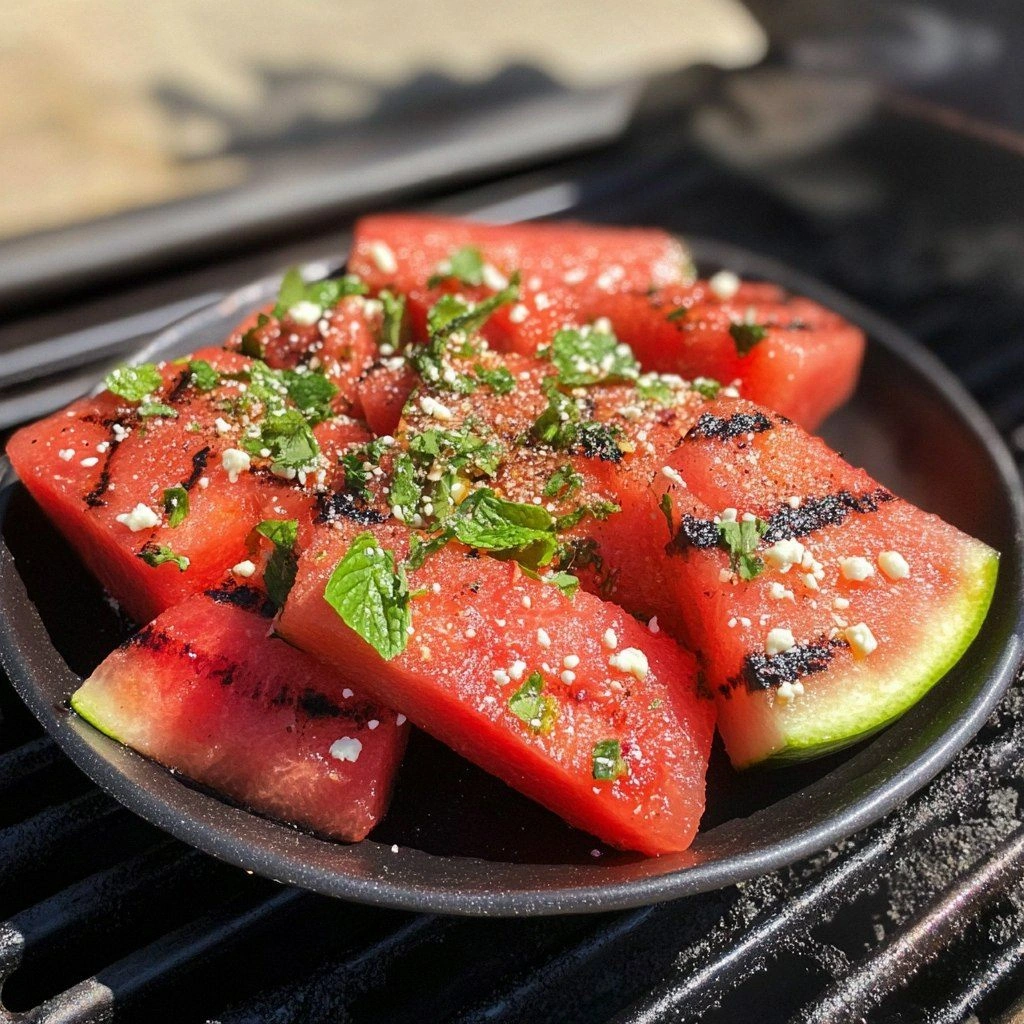
Grilled Watermelon Wedges
Picture this: a scorching summer afternoon, the grill already humming, and a friend’s dare that turns an ordinary watermelon into a showstopper. I was half‑joking, half‑suspicious, when I tossed the wedges onto the coals and watched them caramelize. The first bite was a revelation—sweet, smoky, and a splash of citrus that made my tongue dance. That moment was a turning point, a culinary epiphany that rewrote my mental cookbook on watermelon. I knew I had to share the exact method that turned a simple fruit into a conversation starter.
The aroma that rose from the grill was a heady mix of charred sugar and fresh lime, a scent that could convince anyone that watermelon belongs on a char‑grilled platter. The sound of the wedges sizzling was a rhythmic drumbeat, echoing the heat that kissed the flesh. When you take that first bite, the interior is a juicy burst that melts in your mouth, while the exterior offers a crisp, smoky crust that snaps like a fresh snap of a twig. The texture is a delicious paradox—soft inside, crisp outside—each bite a new experience. The flavor profile is a dance of sweet, smoky, citrusy, and herbal notes that mingle in perfect harmony.
What makes this version stand out is not just the grilling technique but the thoughtful combination of complementary ingredients. The smoked paprika adds depth without overpowering the fruit. A drizzle of honey balances the acidity of lime, creating a silky glaze that glistens on the surface. Fresh herbs like mint and cilantro add a bright, herby finish that cuts through the sweetness. Crumbled feta introduces a salty, creamy contrast that elevates the entire dish. Together, these elements create a multi‑dimensional flavor experience that is both refreshing and indulgent. I dare you to taste this and not go back for seconds.
I’ll be honest—my first attempt left me with a handful of wedges that were slightly under‑charred and a little too sweet. After a quick tweak—slightly more salt, a touch of chili powder for heat, and a longer grill time—I achieved the perfect balance. That simple adjustment turned a decent dish into an unforgettable appetizer that had everyone asking for the recipe. Most recipes get this completely wrong, either over‑grilling or under‑seasoning. Here’s what actually works, and why you should trust this version over the countless others you’ve seen.
Picture yourself pulling this out of the grill, the whole kitchen smelling incredible, the wedges glistening with a honey‑lime glaze, and the sound of a crowd cheering for the next bite. That’s the experience you’ll deliver with this recipe. If you’ve ever struggled with grilled watermelon—getting it too dry, too sweet, or lacking depth—you’re not alone, and I’ve got the fix. And now the fun part. Stay with me here—this is worth it.
What Makes This Version Stand Out
- Flavor Depth: The smoky paprika and honey glaze create layers of taste that linger on the palate, turning a simple fruit into a gourmet experience.
- Crisp Texture: Grilling for the right amount of time gives the wedges a caramelized crust that snaps, while the inside stays juicy.
- Herbaceous Finish: Mint and cilantro add a fresh, aromatic lift that cuts through the sweetness.
- Protein Boost: Crumbled feta introduces a creamy, salty element that balances the natural sugar of watermelon.
- Make‑Ahead Friendly: The wedges can be pre‑grilled and stored, then finished with a quick glaze when you’re ready to serve.
- Visual Appeal: The bright pink flesh contrasted with the dark char and golden glaze makes for a stunning presentation.
- All‑Season Versatility: While a summer staple, the recipe can be adapted for cooler months with a warm honey‑spice glaze.
- Quick Prep: Less than 15 minutes of prep and 30 minutes of cook time means you can impress without a marathon.
Alright, let's break down exactly what goes into this masterpiece…
Inside the Ingredient List
The Flavor Base
Watermelon itself is the star, but its natural sweetness can be amplified or tempered depending on how you prepare it. Cutting the fruit into thick wedges (about 1.5–2 inches) ensures each piece holds its shape on the grill. A light brushing of olive oil prevents sticking and encourages even caramelization. The oil also serves as a carrier for the smoky paprika, spreading the flavor across every bite. If you’re looking for a lower‑fat version, replace the olive oil with a fine mist of non‑stick spray.
The Texture Crew
Smoked paprika is the secret agent that brings depth and a subtle heat without overpowering the fruit. It’s a versatile spice that pairs beautifully with watermelon’s natural sweetness. Salt, freshly ground black pepper, and a pinch of chili powder (if you like a kick) are the seasoning trio that brings out the best in every wedge. The combination of salt and pepper not only enhances flavor but also helps draw out moisture, creating that desirable charred crust.
The Unexpected Star
Lime juice and honey form the glaze that ties the dish together. The acidity of lime brightens the watermelon, while honey adds a silky sweetness that caramelizes on the grill. Together, they create a glossy coating that clings to the wedges and provides a subtle contrast to the smoky paprika. If you’re a fan of a more pronounced citrus note, squeeze in a splash of fresh orange juice or add a dash of zest.
The Final Flourish
Fresh herbs—mint and cilantro—are the finishing touch that adds a burst of freshness and color. They cut through the sweetness and give the dish an aromatic lift. Crumbled feta cheese introduces a salty, creamy element that balances the overall flavor profile. If you’re vegetarian, feta is a great source of protein; if you’re vegan, try a plant‑based cheese or omit it entirely. The key is to sprinkle the feta right after grilling, while the wedges are still warm, so it slightly melts and blends into the glaze.
Everything's prepped? Good. Let's get into the real action…
The Method — Step by Step
- Preheat your grill to medium‑high heat (around 400°F or 200°C). Let the grates get hot enough that a drop of water sizzles and evaporates immediately. This ensures a good sear on the watermelon. If you’re using a charcoal grill, allow the coals to burn down to a steady, radiant heat. I dare you to test the temperature by flicking a piece of the fruit onto the grill and watching it sizzle like a tiny fireworks show.
- While the grill heats, slice the watermelon into thick wedges. A good rule of thumb is to aim for 1.5–2 inches in thickness to maintain structural integrity. Brush each wedge lightly with olive oil, then season both sides with smoked paprika, salt, pepper, and optional chili powder. The oil not only prevents sticking but also helps the paprika adhere and develop a smoky crust. Remember, the seasoning is the backbone of flavor, so don’t skimp on it.
- Place the wedges on the grill, flesh‑side down. Close the lid and let them cook for 3–4 minutes. You’re looking for grill marks and a slight caramelization. The first few minutes are crucial for forming the charred crust. Watch the edges; when they start pulling away from the grates, it’s time to flip. I’ve found that a quick flip preserves juiciness and prevents the wedges from drying out.
- Flip the wedges and grill the other side for an additional 3–4 minutes. At this point, the watermelon should be tender but still firm. The glaze will start to develop a glossy sheen. If you notice any flare‑ups, move the wedges slightly away from the coals. This step is the moment of truth—too little time and the wedges remain raw; too much and they’ll burn.
- While the wedges finish cooking, whisk together the lime juice, honey, and a splash of olive oil to create a smooth glaze. The mixture should be pourable but not too runny. This glaze will coat the wedges, adding a sweet‑citrus shine. If you want a thicker glaze, reduce the mixture over low heat until it thickens slightly. I’ve found that a quick reduction gives a more concentrated flavor.
- Once the wedges are done, remove them from the grill and let them rest for 2 minutes. This short rest allows the juices to redistribute, keeping the wedges moist. Drizzle the glaze over the wedges while they’re still warm; the heat will cause it to caramelize slightly. The glaze should coat each wedge evenly, giving it that irresistible glossy finish.
- Sprinkle fresh mint and cilantro over the glazed wedges. The herbs add a burst of color and a refreshing aroma that complements the smoky sweetness. If you’re using feta, crumble it on top immediately so it melts slightly into the warm glaze. The combination of herbs and cheese creates a layered flavor profile that’s hard to resist.
- Serve the wedges immediately on a platter, perhaps with a side of yogurt dip or a simple vinaigrette for dipping. The key is to enjoy them while they’re still warm and the glaze is still slightly sticky. This dish pairs wonderfully with a chilled glass of white wine or a light sparkling beverage. And that’s it—you did it. But hold on, I've got a few more tricks that'll take this to another level…
Insider Tricks for Flawless Results
The Temperature Rule Nobody Follows
Many home chefs think a high heat is always better for grilling. In reality, a steady medium‑high heat (400°F) gives the wedges a perfect char without burning the natural sugars. I’ve experimented with lower temperatures and found that the glaze doesn’t caramelize as well, leaving the wedges bland. The trick is to maintain a consistent heat, checking the grill temperature every few minutes.
Why Your Nose Knows Best
Smell is a powerful indicator of readiness. When the wedges are halfway done, you’ll notice a sweet, caramelized scent rising from the grill. That aroma means the sugars are starting to break down, and the glaze will set beautifully. Trust your nose; if it smells like burning, pull the wedges off the grill immediately.
The 5-Minute Rest That Changes Everything
Letting the wedges rest for 5 minutes after grilling allows the juices to redistribute. This step might seem minor, but it keeps the wedges juicy and prevents the glaze from sliding off. I’ve had friends who skip this step and end up with dry, over‑cooked wedges. The rest period is your secret weapon for perfect moisture.
Use Fresh, Not Frozen, Watermelon
Frozen watermelon can become mushy when grilled, ruining the texture. Fresh, ripe watermelon provides the ideal balance of sweetness and firmness. Look for a watermelon that feels heavy for its size and has a bright, even color. The rind should be a deep green with a slightly matte finish.
Balance Sweet and Salty
The key to a harmonious flavor profile lies in balancing the natural sweetness of watermelon with salt, pepper, and feta. Too much salt can overpower the fruit, while too little can leave the dish flat. I recommend tasting the glaze before drizzling it on the wedges, adjusting the salt or honey as needed.
Serve Immediately for Maximum Impact
Grilled watermelon is best enjoyed fresh off the grill. The contrast between the warm, caramelized exterior and the cool, juicy interior is a sensory delight. If you must store leftovers, keep them in an airtight container in the fridge and reheat briefly in the oven at 300°F for 5 minutes to revive the glaze.
Creative Twists and Variations
This recipe is a playground. Here are some of my favorite ways to switch things up:
Spicy Jalapeño Twist
Add sliced fresh jalapeños to the glaze for a fiery kick. The heat pairs beautifully with the sweet watermelon, creating a bold flavor profile that’s perfect for summer barbecues.
Herbal Greek Style
Replace the mint and cilantro with oregano and dill, and swap feta for a sprinkle of crumbled goat cheese. This variation offers a Mediterranean vibe that’s both refreshing and comforting.
Smoky Chipotle Variation
Use chipotle powder instead of smoked paprika and add a splash of maple syrup to the glaze. The result is a deep, smoky sweetness that’s surprisingly complex.
Asian Fusion
Infuse the glaze with soy sauce, ginger, and a touch of sesame oil. Top the wedges with toasted sesame seeds for an extra crunch and a distinctly Asian flavor profile.
Balsamic Reduction
Swap the honey for a balsamic glaze, and finish the wedges with a drizzle of aged balsamic vinegar. The acidity of the vinegar balances the sweetness, creating a sophisticated taste.
Vegan Version
Omit the feta and use a plant‑based cheese or a sprinkle of nutritional yeast. The dish remains creamy and flavorful while staying vegan.
Storing and Bringing It Back to Life
Fridge Storage
Store leftover wedges in an airtight container in the refrigerator for up to 2 days. Keep them on a plate with a paper towel to absorb excess moisture. When ready to serve, reheat in a preheated oven at 300°F for 5 minutes.
Freezer Friendly
Freeze wedges in a single layer on a baking sheet before transferring to a freezer bag. This prevents sticking and allows you to thaw a single wedge at a time. Reheat in the oven or microwave for a quick bite.
Best Reheating Method
The oven is the best option for reheating, as it preserves the glaze’s texture and the wedges’ crispness. For a quick fix, microwave on medium power for 30 seconds, then finish in a hot skillet to re‑char the edges.