
A creamy, cheesy comfort dish that brings the sea to your table in a single, hearty bake.

I still remember the first time I tasted a truly comforting casserole – it was on a rainy Thursday evening, the kind of night where the world feels a little slower and every bite feels like a warm hug. My mother had pulled together a simple tuna casserole with peas and cheese, and as the aroma of melted cheddar mingled with the faint scent of thyme, I felt instantly soothed. That memory stayed with me, and over the years I’ve refined the recipe, turning it into a dish that’s both nostalgic and elevated.
Tuna casserole is a staple in many American households, especially during the cooler months when we crave something hearty yet uncomplicated. The dish traces its roots back to the post‑World War II era, when pantry‑friendly ingredients like canned tuna, dried pasta, and shelf‑stable cheese became kitchen mainstays. Its enduring popularity comes from its versatility – you can dress it up with fresh herbs, swap cheeses, or add a crunchy topping for texture.
In this article, you’ll discover the exact proportions, the science behind achieving a silky sauce, and the little tricks that make each bite perfectly balanced. Whether you’re cooking for a family dinner or preparing meals for the week, this recipe will guide you to a consistently delicious result.
So roll up your sleeves, preheat the oven, and let’s dive into the world of creamy, cheesy comfort. I’m excited to share every tip that turned my humble casserole into a crowd‑pleaser that even picky eaters adore.
🌟 Why This Recipe Will Win Your Heart
This Tuna Casserole blends simplicity with depth, making it a perfect weeknight dinner that feels indulgent without demanding a gourmet skill set.
- ✨ Creamy, Velvety Sauce : The combination of milk, heavy cream, and a light roux creates a sauce that clings lovingly to each piece of pasta, delivering a luxurious mouthfeel.
- ✨ Balanced Nutrition : With protein‑rich tuna and fiber‑packed peas, the dish offers a satisfying blend of macronutrients while keeping the calorie count moderate.
- ✨ Time‑Saving Convenience : Using canned tuna and frozen peas cuts prep time dramatically, yet the flavors still feel fresh and home‑cooked.
- ✨ Customizable Crunch : A topping of breadcrumbs, butter, and extra cheese adds a golden crust that can be adjusted to be light or extra crunchy.
- ✨ Kid‑Friendly Appeal : The mild seasoning and cheesy goodness make it a hit with children, while the hidden veggies keep parents happy.
- ✨ Make‑Ahead Friendly : Prepare the casserole a day ahead, refrigerate, and simply bake when you’re ready – perfect for busy schedules.
🥗 Ingredients
📝 Complete Ingredient List
For the Pasta:
For the Tuna Mixture:
For the Cheese Topping:

🔍 Focus on Key Ingredients
Tuna (Canned, in Water)
Tuna provides a lean source of protein and a mild oceanic flavor that pairs beautifully with the creamy sauce. Look for albacore or skipjack packed in water rather than oil to keep the dish lighter. Drain the tuna well and break it into chunks; this ensures an even distribution throughout the casserole, preventing any soggy pockets.
Frozen Peas
Peas add a pop of bright green color and a subtle sweetness that balances the richness of the cheese and cream. Because they are flash‑frozen at peak freshness, they retain most of their nutrients. If you prefer a firmer bite, add them directly to the sauce; for a softer texture, stir them in after the pasta has been mixed.
Cheddar Cheese
Cheddar contributes the signature sharpness and meltability that defines this casserole. Choose a medium‑aged cheddar for the best melt without overwhelming the palate. For a deeper flavor, you can blend in a small amount of smoked cheddar, but be careful not to dominate the delicate tuna taste.
🔄 Quick Substitutions
| If you don’t have... | Use instead... |
|---|---|
| Elbow macaroni | Small shells or penne |
| Canned tuna | Cooked salmon flakes or canned chicken |
| Heavy cream | Half‑and‑half or coconut cream for a dairy‑free version |
👨🍳 Step‑by‑Step Instructions
Follow these detailed steps to create a perfectly balanced casserole that’s creamy, cheesy, and delightfully comforting.
📋 Phase 1: Preparation and Mise en Place
Gather, measure, and pre‑cook the foundational components before assembling the bake.
Cook the Pasta
Bring a large pot of salted water to a rolling boil. Add the elbow macaroni and cook for 7‑8 minutes, or until al‑dente. Drain the pasta, drizzle with a teaspoon of olive oil to prevent sticking, and set aside in a large mixing bowl.
Prepare the Roux
In a medium saucepan, melt 28 g butter over medium heat. Sprinkle the flour over the melted butter and whisk continuously for 2‑3 minutes until the mixture turns a light golden color, indicating the flour is cooked but not browned.
🔥 Phase 2: Building the Creamy Sauce and Assembling
Create a silky sauce, combine with tuna and peas, then layer with pasta.
Make the Cream Sauce
Gradually whisk the milk and heavy cream into the roux, ensuring a smooth consistency. Continue cooking, stirring, until the sauce thickens, about 5‑6 minutes. Add dried thyme, season with salt and pepper, and remove from heat.
Incorporate Tuna and Peas
Fold the drained tuna and frozen peas into the sauce. The peas will warm through as the sauce thickens, while the tuna retains its delicate flake texture.
Combine with Pasta
Transfer the cooked pasta into the sauce mixture, tossing gently to coat each piece evenly. The pasta should be fully enveloped in the creamy, cheesy sauce without becoming soggy.
✨ Phase 3: Finishing, Baking, and Serving
Add the cheese topping, bake to golden perfection, and serve hot.
Prepare the Topping
In a small bowl, combine shredded cheddar, grated Parmesan, breadcrumbs, and melted butter. Mix until the breadcrumbs are lightly coated; this ensures an even golden crust.
Transfer to Baking Dish
Lightly grease a 9‑inch (23 cm) square baking dish. Spoon the pasta mixture into the dish, spreading it evenly. Sprinkle the cheese‑breadcrumb topping over the surface, pressing gently to adhere.
Bake to Golden Perfection
Preheat the oven to 190 °C (375 °F). Place the casserole in the middle rack and bake for 20‑25 minutes, or until the topping is bubbling and a deep golden brown.
Rest Before Serving
Allow the casserole to rest for 5 minutes after removing it from the oven. This short rest helps the sauce set, making it easier to slice and serve.
Serve and Enjoy
Scoop generous portions onto plates, garnish with a sprinkle of fresh parsley if desired, and serve alongside a crisp green salad or crusty bread to soak up any extra sauce.
💡 Expert Tips and Tricks
🛒 Choosing the Right Ingredients
When shopping for tuna, look for cans labeled “solid white” or “albacore” for a firmer texture that holds up well in baked dishes. Avoid “chunk light” tuna if you prefer a consistent bite. For peas, select those that are bright green and free from freezer burn; this indicates they were frozen at peak freshness, preserving both flavor and nutrients.
🔪 Preparation Techniques
Pat the drained tuna dry with a paper towel before adding it to the sauce; excess moisture can thin the sauce. When whisking the roux, keep the heat moderate to prevent scorching. A smooth, lump‑free roux is essential for a velvety final texture.
🌡️ Mastering the Cooking Process
The key to a perfect bake is a pre‑heated oven. If the oven isn’t hot enough, the topping won’t achieve that desirable crispness. Use an oven thermometer if you suspect temperature inaccuracies. Also, avoid opening the oven door too frequently; each opening drops the temperature and can affect the rise of the crust.
🍽️ Presentation and Service
For a restaurant‑style presentation, run a thin knife around the edges of the dish before serving to create clean slices. Garnish with a handful of fresh chopped chives or parsley for a pop of color. Serve the casserole hot, accompanied by a light vinaigrette salad to cut through the richness.
🏆 Pro Tips
A professional chef’s perspective can elevate an already great dish to extraordinary heights.
- 🎯 Use a Double Boiler for the Sauce: Creating the sauce over a double boiler provides gentle, even heat, preventing the milk from scorching and ensuring a smoother emulsion.
- 🎯 Toast the Breadcrumbs First: Lightly toast breadcrumbs with melted butter in a skillet until they turn golden. This adds an extra layer of nutty flavor and ensures an even crunch.
- 🎯 Add a Pinch of Nutmeg: A subtle dash of freshly grated nutmeg in the cream sauce deepens the flavor profile, complementing the cheese without being overpowering.
- 🎯 Incorporate Fresh Herbs at the End: Stir in finely chopped fresh thyme or parsley just before baking for a burst of freshness that balances the richness.
- 🎯 Use a Lightly Greased Ceramic Dish: Ceramic retains heat evenly, resulting in a more uniform bake and preventing the bottom from drying out.
- 🎯 Finish with a Quick Broil: After the casserole is baked, switch the oven to broil for 2‑3 minutes to achieve an ultra‑crisp top. Watch closely to avoid burning.
"A great casserole is about balance – the right amount of cream, the perfect cheese melt, and a topping that sings." — Thomas Keller
🔄 Variations and Adaptations
The beauty of this casserole lies in its flexibility. Whether you’re catering to dietary preferences or craving new flavor twists, these adaptations keep the dish exciting.
🥬 Vegetarian/Vegan Version
Replace the tuna with a plant‑based alternative such as seasoned soy crumbles or chickpeas. Use oat‑based cream or coconut cream for dairy‑free richness, and swap cheddar with a sharp vegan cheese. The result is a hearty, protein‑packed casserole that still delivers the comforting texture.
- Replace tuna with 300 g of cooked, seasoned chickpeas.
- Use 240 ml oat cream and 120 ml coconut milk instead of dairy.
🌶️ Flavor Variations
Spice lovers can easily turn this classic into a bold, aromatic dish. A dash of smoked paprika or a spoonful of harissa adds warmth, while a sprinkle of lemon zest brightens the palate.
Spicy Version:
Add 1 tsp smoked paprika to the sauce and fold in ½ tsp red‑pepper flakes for a gentle heat that doesn’t overwhelm the tuna.
Mediterranean Version:
Mix in ½ cup chopped sun‑dried tomatoes, ¼ cup Kalamata olives, and a sprinkle of oregano. Top with feta crumbles instead of cheddar.
Asian‑Inspired Version:
Substitute the thyme with 1 tsp ginger powder, add 2 tbsp soy sauce to the sauce, and finish with a drizzle of sesame oil and toasted sesame seeds on top.
⚠️ Dietary Adjustments
Gluten‑Free:
Use gluten‑free pasta and replace regular flour with a gluten‑free blend for the roux. Ensure breadcrumbs are certified gluten‑free.
Lactose‑Free:
Swap heavy cream with lactose‑free cream or coconut cream, and use dairy‑free cheese alternatives.
Low‑Calorie:
Reduce the amount of cheese by half, use skim milk instead of whole milk, and increase the proportion of peas for added volume without many extra calories.
👶 Kid‑Friendly Version
For younger palates, keep the seasoning mild, use a milder cheese such as mozzarella, and hide the peas by finely chopping them. Serve with a side of carrot sticks to add a sweet crunch.
📦 Storage and Reheating
🧊 Conservation
Refrigerator:
- Duration: 3 days
- Recommended container: Airtight glass or plastic storage container
- Tip: Place a sheet of parchment paper over the surface to prevent the topping from becoming soggy.
Freezer:
- Duration: 2 months
- Method: Cool completely, then wrap tightly in foil and place in a freezer‑safe bag.
- Defrosting: Transfer to refrigerator overnight before reheating.
💡 For best texture, reheat from frozen in the oven rather than the microwave.
♨️ Reheating
🔥 Oven (Recommended):
- Preheat to 180 °C (350 °F).
- Cover with aluminum foil to retain moisture.
- Reheat for 20 minutes.
- Remove foil and bake an additional 5‑7 minutes to restore the crisp topping.
⚡ Microwave (Quick):
- Cover with a microwave‑safe lid or vented plastic wrap.
- Heat on medium power for 2‑3 minutes, stirring halfway.
- Check temperature; continue in 30‑second bursts if needed.
🍳 Stovetop:
Add a splash of milk to a skillet, heat over medium‑low, and stir until the sauce loosens and the casserole is heated through, about 5‑7 minutes.
🍷 Perfect Pairings
🥗 Side Dishes
- Simple Arugula Salad: Peppery arugula tossed with lemon vinaigrette brightens the richness.
- Garlic‑Roasted Asparagus: Lightly charred asparagus adds a crisp, earthy contrast.
- Steamed Green Beans with Almonds: Crunchy almonds provide texture while green beans echo the pea’s green hue.
🍷 Wine & Beverage Pairings
- Chardonnay (unoaked): Its buttery notes complement the cheese without overwhelming the tuna.
- Sauvignon Blanc: The crisp acidity cuts through the creaminess, refreshing the palate.
- Non‑Alcoholic: Sparkling apple cider adds a festive fizz that balances the dish.
🍰 To Complete the Meal
Start with a light citrus‑infused gazpacho or a chilled cucumber soup. For dessert, serve a lemon panna cotta or a fresh berry crumble to finish on a bright, sweet note.
❓ Frequently Asked Questions
Q: Can I use fresh peas instead of frozen?
Absolutely. Fresh peas should be blanched for 2‑3 minutes before adding them to the sauce. This ensures they stay bright and retain their natural sweetness while preventing the casserole from becoming watery.
Q: How do I prevent the sauce from separating?
The key is to add the milk and cream gradually while whisking continuously, and to keep the heat at a gentle simmer. Avoid boiling the sauce, and if it looks too thick, thin it with a splash of extra milk before combining with the pasta.
Q: Is it possible to make this casserole gluten‑free?
Yes. Use gluten‑free pasta and replace the all‑purpose flour with a gluten‑free blend (or cornstarch mixed with a little water). Ensure the breadcrumbs are also gluten‑free or substitute with crushed cornflakes.
Q: What are common mistakes that ruin the texture?
Overcooking the pasta leads to mushiness, while under‑seasoning the sauce can make the dish flat. Also, baking at a temperature that’s too low prevents the topping from crisping, and opening the oven door too often can cause uneven cooking.
Q: Can I add extra vegetables?
Certainly. Diced carrots, corn kernels, or sautéed mushrooms blend well. Add them after the peas so they have time to soften in the sauce. Keep the total vegetable volume balanced to avoid a watery casserole.
Q: Is this recipe suitable for make‑ahead meal planning?
Yes. Assemble the casserole up to the point of adding the topping, cover tightly, and refrigerate for up to 24 hours. When ready, add the topping and bake as directed. This method saves time on busy weeknights.
🎉 Let’s Get Cooking!
This Tuna Casserole with Peas and Cheese is the epitome of comfort food – creamy, cheesy, and packed with protein, yet surprisingly quick to assemble. By mastering the roux, balancing the seasoning, and achieving that golden crust, you’ll have a dish that feels both home‑cooked and restaurant‑worthy. Remember, the secret lies in the gentle simmer of the sauce and the precise timing of the bake.
I encourage you to experiment with the variations, adjust the portion size using the handy selector, and share your personal twists. Your feedback helps refine the recipe for future cooks, and seeing your photos inspires the community.
Have you tried this recipe?
Leave a comment and rating below! Share your photos on Instagram with #TunaCasseroleDelight to be featured on our page.
Tuna Casserole with Peas and Cheese
A creamy, cheesy bake that turns pantry staples into a comforting family favorite.
📝 Ingredients
Pasta
Tuna Mixture
Cheese Topping
👨🍳 Instructions
- 1 Cook the elbow macaroni in salted boiling water until al‑dente, then drain and set aside.
- 2 Melt butter in a saucepan, whisk in flour, and cook the roux for 2‑3 minutes.
- 3 Gradually whisk milk and heavy cream into the roux, simmer until thickened.
- 4 Stir in thyme, season with salt and pepper, then fold in tuna and peas.
- 5 Combine the sauce with the cooked pasta, ensuring an even coating.
- 6 Transfer the mixture to a greased baking dish and sprinkle the cheese‑breadcrumb topping.
- 7 Bake at 190 °C (375 °F) for 20‑25 minutes, until bubbly and golden.
- 8 Let rest for 5 minutes before serving.
- 9 Garnish with fresh parsley if desired, and pair with a light salad.
- 10 Enjoy your comforting Tuna Casserole with Peas and Cheese!
🥗 Nutritional Information (per serving)
*Values are estimates based on standard ingredient data.
📚 You Might Also Like
Creamy Chicken & Broccoli Bake
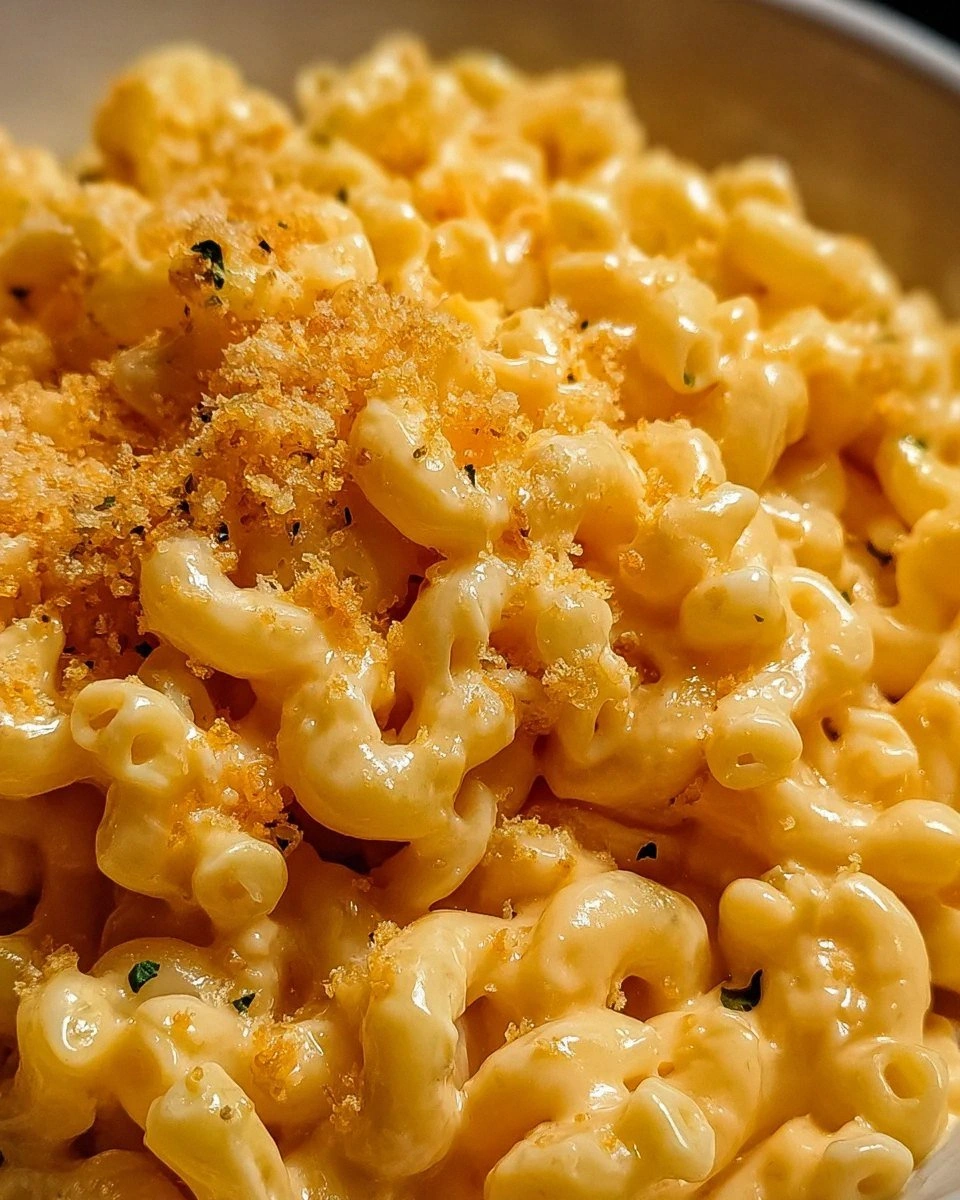
Classic Mac & Cheese
Baked Salmon with Herb Crust


💬 Comments & Reviews
Leave a Comment
No comments yet. Be the first to share your thoughts!