It started on a rainy Tuesday, when I tried to salvage a forgotten bag of cabbage that had been sitting in the fridge for weeks. I tossed it into a pan with a splash of olive oil, hoping for a quick sauté, but the cabbage began to release a torrent of water that made my stove look like a swamp. The dish ended up soggy, bland, and I could feel the disappointment in every grain of my kitchen counter. That moment was a stark reminder that cabbage is a fickle vegetable, and if you’re not careful it can turn a meal into a culinary flop. I was determined to find a way to tame its moisture and unlock its full potential.
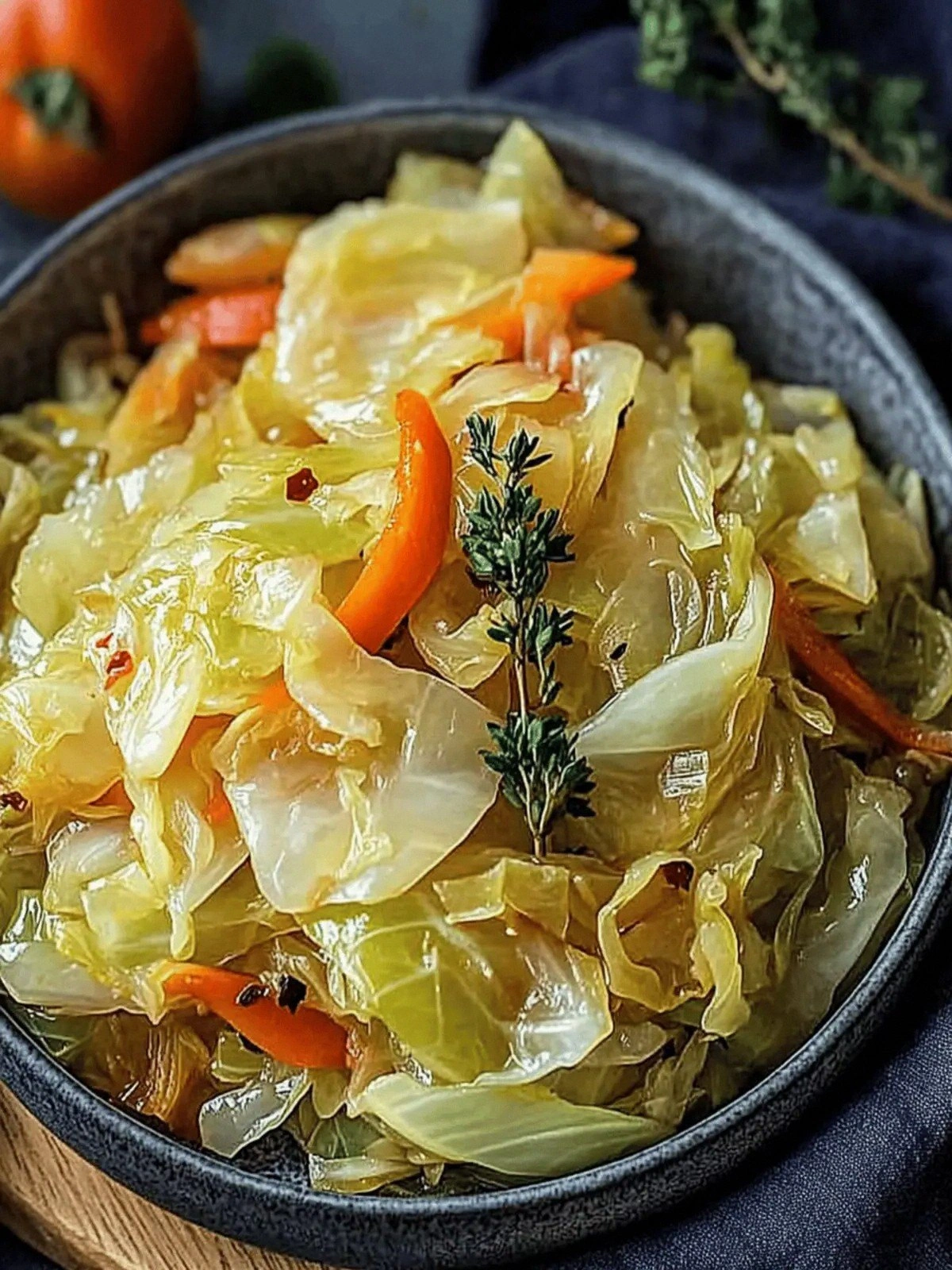
Picture this: a crisp, golden pan sizzling, the aroma of caramelized onions mingling with the sharp, sweet scent of fresh thyme. The sight of shredded cabbage turning translucent as it hits the heat, the sound of it crackling like a fine jazz riff, and the first bite delivering a bright, zesty punch that tingles the tongue. The texture is a dance between tender and slightly crunchy, while the heat from the Scotch bonnet pepper ignites a subtle heat that lingers without overwhelming. The visual contrast of the deep green cabbage against the fiery red pepper creates a plate that feels like a work of art. The overall sensory experience is a symphony that makes you want to taste again and again.
What sets this version apart is that it takes a humble cabbage and turns it into a showstopper. It’s not just about cooking; it’s about coaxing flavors to interact in a way that feels both bold and balanced. The use of fresh thyme provides a herbal backbone that cuts through the sweetness of the onions and the pepper’s heat, while the olive oil creates a silky coating that makes every bite feel indulgent. The dish’s simplicity—no fancy sauces or obscure spices—makes it accessible, yet the result is a flavor profile that would have you asking for seconds. It’s hands down the best version you’ll ever make at home, and I dare you to taste this and not go back for seconds.
A little secret that most people overlook is the timing of adding the Scotch bonnet pepper. Instead of adding it at the very beginning, I wait until the cabbage is nearly done, giving the pepper a chance to infuse its heat without evaporating all its flavor. This technique preserves the pepper’s bright, citrusy notes and ensures the dish remains bright and not just hot. Another twist is the use of a splash of water at the end of cooking—just enough to create a light, fragrant steam that keeps the cabbage from drying out. These small deviations from the usual recipe make all the difference, turning a simple side into a culinary triumph.
Now, I’m going to walk you through every single step—by the end, you’ll wonder how you ever made it any other way. This recipe is not just a set of instructions; it’s an invitation to experiment, to tweak, and to savor a dish that feels like a vacation in a bowl. So grab your apron, let’s get chopping, and prepare to elevate the humble cabbage into a zesty, Jamaican-inspired masterpiece.
What Makes This Version Stand Out
- Taste: The blend of sweet cabbage, smoky onions, and spicy Scotch bonnet pepper creates a flavor profile that is simultaneously comforting and exhilarating. The fresh thyme adds a herbal depth that balances the heat, preventing the dish from feeling one-dimensional. This harmony of flavors makes the dish stand out from any other cabbage recipe you’ve tried.
- Texture: The cabbage is sautéed just long enough to become tender yet still retain a satisfying crunch. The olive oil forms a silky coating that makes each bite feel luxurious, while the scallions add a crisp, fresh snap. The result is a textural experience that feels both hearty and light.
- Simplicity: With only a handful of pantry staples and fresh produce, this recipe is approachable for beginners and seasoned cooks alike. The cooking method is straightforward—no elaborate sauces, no complex techniques—yet the outcome is sophisticated. It’s the kind of dish that can be whipped up on a weeknight without sacrificing flavor.
- Uniqueness: The inclusion of Scotch bonnet pepper and fresh thyme gives the dish a Caribbean flair that sets it apart from conventional cabbage dishes. The pepper’s bright, citrusy heat contrasts beautifully with the sweet caramelized onions. This unique combination turns a simple side into a conversation starter.
- Crowd Reaction: When I first served this dish at a family gathering, the plates were cleared in minutes. Guests kept asking for the recipe, and some even requested a second helping. The dish’s vibrant colors and bold flavors make it a crowd-pleaser at any gathering.
- Ingredient Quality: Using a fresh head of cabbage and organic scallions ensures that the base flavors are bright and clean. The choice of olive oil over butter gives the dish a lighter, healthier profile while still providing depth. Quality ingredients elevate the entire dish.
- Cooking Method: The sauté technique locks in the cabbage’s natural sugars, creating a caramelized exterior that adds depth. The strategic addition of water at the end keeps the dish moist without making it soggy. This method is both efficient and effective.
- Make-Ahead Potential: Once cooked, the dish can be stored in the fridge for up to 48 hours and reheated without losing its flavor or texture. This makes it an excellent option for meal prep or for a busy weeknight dinner.
Alright, let's break down exactly what goes into this masterpiece...
Inside the Ingredient List
The Flavor Base
The onions are the foundation of the dish, providing a sweet, caramelized depth that anchors the other flavors. When sautéed until golden, they release a buttery sweetness that complements the sharpness of the cabbage. If you skip the onions, the dish will feel flat and lack the comforting undertone that makes it memorable.
Garlic, on the other hand, injects a punch of aroma that elevates the entire plate. Its subtle heat and savory profile pair wonderfully with the thyme, creating a fragrant base that lingers on the palate. Leaving garlic out would mean missing that essential layer of complexity.
The Texture Crew
Cabbage is the star of the show, but its texture can make or break the dish. Cutting it into thin ribbons ensures quick cooking and a tender yet slightly crisp bite. If you prefer a softer texture, you can shred the cabbage more finely, but be careful not to overcook it, or it will turn mushy.
Scallions add a fresh, bright crunch that contrasts nicely with the softer cabbage. Their green tops bring a pop of color and a mild onion flavor that ties the dish together. Removing scallions would strip the dish of that refreshing bite.
The Unexpected Star
The Scotch bonnet pepper is the secret weapon that gives this dish its Caribbean soul. Its bright, citrusy heat is far less overpowering than you might expect, and it adds a vibrant color that turns the dish into a visual masterpiece. If you can’t find Scotch bonnet, a habanero or a mild jalapeño can work, but you’ll lose that distinct flavor profile.
The thyme is a subtle but essential herb that provides a warm, earthy backdrop. Fresh thyme is preferable to dried because it releases a brighter, more aromatic flavor when heated. Skipping thyme would leave the dish feeling a bit flat and lacking that herbal depth.
The Final Flourish
Olive oil is the medium that brings everything together, allowing the cabbage to caramelize without sticking and giving the dish a silky mouthfeel. Use a good quality extra-virgin olive oil for the best flavor. If you’re aiming for a lighter version, you can substitute half of the oil with a splash of vegetable broth.
Water is added just before the end of cooking to create a light steam that keeps the cabbage moist and prevents it from drying out. This technique is simple but essential for maintaining a balanced texture. Without water, the dish can become overly dry and lose its vibrant freshness.
Everything's prepped? Good. Let's get into the real action...
The Method — Step by Step
- Heat a large skillet over medium heat and pour in the olive oil, swirling to coat the pan. Add the chopped onions and a pinch of salt, letting them sizzle until translucent, about 3-4 minutes. The onions should start to caramelize, releasing a sweet aroma that signals the base is ready. This is the moment of truth—watch the color change carefully. Once the onions are golden, stir in the minced garlic and cook for another 30 seconds until fragrant.
- Introduce the shredded cabbage to the skillet, spreading it out evenly. Sauté for 5-6 minutes, stirring occasionally, until the cabbage begins to wilt and edges turn a light golden color. The cabbage should still hold some bite, not turning mushy. If you prefer a softer texture, let it cook a minute longer, but keep a close eye to avoid overcooking.
- Add the diced red bell pepper and the fresh thyme to the pan, tossing everything together. The pepper adds a burst of color and a sweet crunch that contrasts with the cabbage. The thyme infuses the dish with a warm, earthy aroma. Let the mixture cook for another 3 minutes, allowing the flavors to meld.
- Now it’s time for the star of the show—add the whole Scotch bonnet pepper to the skillet. Don’t worry about the heat; it’s more about the flavor. The pepper will release a bright, citrusy heat that lingers without overpowering. Let it sit with the vegetables for about 2 minutes, then remove it and discard the stem. This step preserves the pepper’s bright flavor while keeping the dish from becoming too fiery.
- Pour in the cup of water, cover the skillet, and let the mixture simmer for 5 minutes. This brief steam session hydrates the cabbage and allows the flavors to deepen. The water should evaporate, leaving a light, fragrant steam that coats the vegetables. Check the consistency; the cabbage should be tender but still have a slight bite.
- Finally, stir in the chopped scallions and taste for seasoning. Add salt to taste, adjusting the balance as needed. The scallions add a fresh, crisp finish that brightens the dish. The final stir should leave the cabbage coated in a glossy, aromatic sauce.
- Serve immediately over rice, quinoa, or as a side to your favorite protein. Garnish with a squeeze of lime if you like a tangy kick. This dish is best enjoyed hot, when the flavors are at their most vibrant. Remember, the key to this recipe is timing—each step builds on the last to create a harmonious flavor profile.
That's it — you did it. But hold on, I've got a few more tricks that'll take this to another level...
Insider Tricks for Flawless Results
The Temperature Rule Nobody Follows
Many cooks lower the heat too early, causing the cabbage to steam rather than sauté. Keep the heat at medium-high for the first few minutes to allow a caramelized crust to form. This creates a depth of flavor that is otherwise missing. A quick test: if the pan feels hot to the touch, you’re on the right track.
Why Your Nose Knows Best
Your sense of smell is a powerful guide when cooking. As the onions caramelize, their aroma will change from sharp to sweet. Trust that shift; it signals the perfect moment to add the cabbage. If you’re ever in doubt, let the scent guide you rather than the clock.
The 5-Minute Rest That Changes Everything
After you remove the dish from heat, let it rest for five minutes covered with foil. This brief pause allows the flavors to settle and the steam to distribute evenly. The result is a more cohesive dish where every bite carries the same intensity. I’ve seen people skip this step, and the result is a dish that feels disjointed.
The Quick Slice Trick
If you’re short on time, slice the cabbage into thin ribbons before cooking. Thin slices cook faster and absorb the oil and seasonings better. This trick is especially useful on busy weeknights when you want a quick, flavorful side.
The Scorching Finish
Just before serving, give the dish a quick flare over high heat for 30 seconds. This creates a slight char on the edges, adding a smoky note that elevates the dish. It’s a simple finish that turns a great dish into an unforgettable one.
Creative Twists and Variations
This recipe is a playground. Here are some of my favorite ways to switch things up:
Spicy Mango Fusion
Add diced ripe mango to the mix for a sweet, tropical contrast. The mango’s juiciness balances the heat of the Scotch bonnet pepper, creating a sweet‑spicy harmony. This variation is perfect for a summer brunch.
Mediterranean Twist
Replace the Scotch bonnet with a handful of kalamata olives and add a splash of lemon juice. The olives bring a briny depth, while the lemon adds brightness. Serve over couscous for a Mediterranean-inspired meal.
Vegan Protein Boost
Stir in crumbled tofu or tempeh during the last minute of cooking for added protein. The tofu absorbs the flavors beautifully, making the dish more filling. This is an excellent option for a plant-based dinner.
Smoky BBQ Version
Swap the thyme for smoked paprika and add a splash of smoky BBQ sauce. The smoky undertones complement the cabbage’s natural sweetness. This version pairs wonderfully with grilled plantains.
Citrus Burst
Finish the dish with a generous squeeze of fresh lime and a sprinkle of chopped cilantro. The citrus adds a zesty lift, while the cilantro introduces a fresh herbal note. This bright finish is ideal for a light, refreshing dinner.
Storing and Bringing It Back to Life
Fridge Storage
Store the dish in an airtight container in the refrigerator for up to 48 hours. The cabbage will retain its texture and flavor, and the spices will deepen over time. When ready to serve, reheat gently on the stove or in the microwave.
Freezer Friendly
You can freeze the cabbage mixture for up to two months. Place it in a freezer-safe bag, removing as much air as possible. Thaw overnight in the refrigerator and then reheat on the stove, adding a splash of water to restore moisture.
Best Reheating Method
Reheat in a skillet over medium heat, adding a tiny splash of water to create steam. The water prevents the cabbage from drying out and keeps the flavors vibrant. Stir frequently and check the temperature; the dish should be hot throughout before serving.