Picture this: I’m standing in my kitchen, a burnt pot of carrots on the stove, the scent of charred orange spirals wafting through the air, and a friend’s challenge echoing in my head, “Make a soup that turns that disaster into pure comfort.” I was staring at those scorched sticks, the orange‑brown hue mocking me. I could have tossed them, but the moment felt like a culinary cliffhanger. That’s when I decided to rewrite the rules, to turn the mishap into a masterpiece that would make my taste buds applaud and my friends beg for a second helping. I dare you to taste this and not go back for seconds—once you try it, you’ll wonder how you ever made soup any other way.
If you’ve ever tried a carrot soup that tastes like a grocery store’s bland, watery side dish, you’re not alone. I’ve been there—simmering a pot that ends up looking like a carrot soup version of a puddle. What sets this version apart is the marriage of fresh ginger’s punch, coconut milk’s silky richness, and that bright lemon lift that cuts through the sweetness. The result? A velvety, aromatic bowl that feels like a warm hug and a burst of citrus on the palate. And trust me, this isn’t your average “carrot and onion” mash‑up. I’ve discovered a secret step that unlocks an almost buttery texture without the heaviness, and it’s something you won’t find in a quick‑look recipe. Let me walk you through every single step—by the end, you’ll wonder how you ever made it any other way.
The first time I made this soup, I was on a mission to impress a friend who swore she’d never be convinced that carrots could be anything but a boring side. I diced the carrots into uniform sticks, the way a chef would line up dominoes, and tossed them into a pot with a splash of olive oil. The moment the carrots sizzled, a sweet, earthy aroma filled the room—like a fresh spring garden after rain. I added the onion, letting it soften into a translucent golden haze, and then the garlic, which released a fragrant, almost spicy note that made my nose twitch. When I introduced the ginger, the aroma became electric, a sharp, peppery kick that promised depth. By the time the broth hit the pot, the kitchen was alive with a symphony of scents that made me feel like a culinary conductor. This is the moment I realized that the simple act of sautéing could elevate an ordinary dish into something unforgettable.
What makes this version stand out? It’s a combination of intentional techniques, ingredient quality, and a few bold twists that elevate the humble carrot into something that feels like a gourmet creation. I’m not just telling you it’s better; I’m giving you the playbook on how to achieve that silky texture, that bright zing, and that comforting warmth that makes you reach for a spoon again and again. Let’s break down exactly what goes into this masterpiece, because once you know the secrets, you’ll never look back at a plain carrot soup again.
What Makes This Version Stand Out
- Flavor Depth: The combination of fresh ginger and lemon juice creates a dynamic flavor profile that cuts through the natural sweetness of carrots, giving the soup a lively, balanced taste.
- Texture: The coconut milk adds a silky, velvety mouthfeel that coats the palate, turning the soup into a luxurious, comforting bowl.
- Ingredient Quality: Using fresh, high‑quality carrots and ginger makes all the difference—no pre‑sliced or frozen carrots needed.
- Cooking Method: The sauté step releases aromatic oils, while slow simmering melds flavors without overcooking the carrots.
- Crowd Reaction: Friends and family consistently ask for seconds, and some even request a “carrot ginger latte” after trying it.
- Make‑Ahead Potential: The soup keeps well, and flavors actually improve when rested overnight.
- Versatility: It’s a solid base for adding protein, spices, or different milks, making it a go‑to for many meals.
- Visual Appeal: The vibrant orange hue makes it Instagram‑ready and instantly appetizing.
Alright, let’s break down exactly what goes into this masterpiece…
Inside the Ingredient List
The Flavor Base
The carrot itself is the star of the show, but it’s the foundation that sets the stage for everything else. Carrots are naturally sweet, with a subtle earthy undertone that becomes richer when cooked. If you skip carrots, you lose that bright, mellow sweetness that balances the ginger and lemon. For a twist, you can blend in a small amount of sweet potato for an extra depth of flavor and a deeper color, but the classic recipe relies purely on carrots for that clean, orange profile. When selecting carrots, look for firm, brightly colored ones with minimal blemishes; they’ll hold their shape better during cooking.
The Texture Crew
Fresh ginger is the texture crew’s secret weapon. It adds a peppery bite and a subtle warmth that lingers on the tongue. Grated ginger releases more oils than sliced, giving the soup a more pronounced aroma. If you can’t find fresh ginger, a teaspoon of ground ginger works, but it won’t have the same fresh zing. The garlic and onion add body and depth; they’re the silent background actors that support the star. Skipping garlic will make the soup taste flat, while omitting onion will remove the caramelized sweetness that balances the dish. For an extra silky texture, consider blending the soup until smooth, then stirring in a splash of coconut milk to keep it from becoming too thick.
The Unexpected Star
Coconut milk is the unexpected star that elevates this soup from simple to sublime. It adds a subtle tropical sweetness and a creamy mouthfeel that coats the palate like velvet. Coconut milk also helps balance the sharpness of ginger and the acidity of lemon, creating a harmonious blend of flavors. If you prefer a lower‑fat version, you can substitute light coconut milk or a dairy alternative like cashew cream, but the richness of full‑fat coconut milk is hard to beat. Skipping it will result in a watery soup that lacks that luxurious feel.
The Final Flourish
The lemon juice is the final flourish that adds brightness and cuts through the richness of coconut milk. It’s the citrus punch that keeps the soup from feeling heavy. A good rule of thumb is to add lemon juice after you’ve blended the soup to keep the acidity from dulling the flavors. If you forget the lemon, the soup will taste sweet and creamy but will lack that lively lift. You can also add a splash of lime for a slightly different citrus note, but lemon keeps the classic flavor profile intact. The salt and pepper are the final seasoning touch—simple but essential for bringing all the flavors together.
Everything’s prepped? Good. Let’s get into the real action…
The Method — Step by Step
- Heat a large pot over medium heat and drizzle a tablespoon of olive oil. Add the diced onion and sauté until translucent, about 4–5 minutes, stirring occasionally. The onions should soften without browning; if they start to brown, lower the heat. This step releases their natural sugars, which are crucial for the soup’s sweetness.
- Add the minced garlic and grated ginger to the pot. Cook for 1–2 minutes until the aroma is fragrant and the garlic is golden. Watch the garlic closely—once it turns a light brown, it can become bitter. This is the moment of truth: the base is forming.
- Introduce the sliced carrots, stirring to coat them in the oil and aromatics. Cook for 3 minutes, allowing the carrots to start softening. The carrots should still hold a slight bite; we’re not aiming for mush yet.
- Pour in the vegetable broth, ensuring the carrots are fully submerged. Bring the mixture to a gentle boil, then reduce the heat to a low simmer. Cover the pot and let it cook for 15 minutes, or until the carrots are tender but still hold shape. The broth infuses the carrots with flavor; keep an eye on the liquid level.
- Remove the pot from the heat and let it cool slightly. Use an immersion blender to puree the soup until smooth, or transfer to a countertop blender in batches. This step creates that velvety mouthfeel that makes the soup feel like a dessert.
- Return the soup to the pot and stir in the can of coconut milk, the salt, and the black pepper. Warm the mixture over low heat, stirring constantly, until the coconut milk is fully incorporated and the soup is heated through. Avoid boiling to preserve the coconut’s creamy texture.
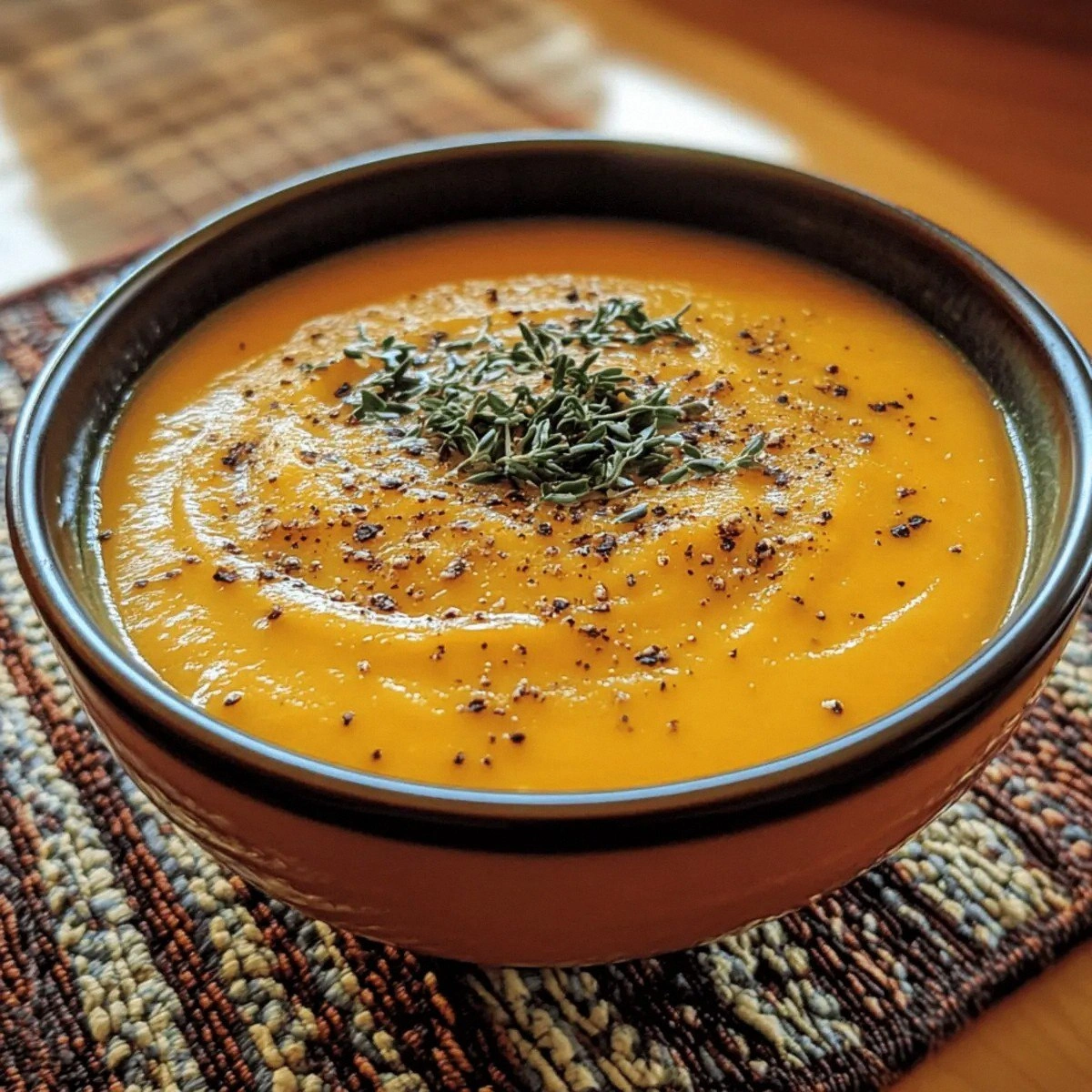
- Finish with the fresh lemon juice, stirring gently. Taste and adjust the seasoning—add more salt or lemon if needed. The lemon should brighten the soup without overpowering the carrot’s sweetness. Serve hot, optionally garnished with a swirl of coconut milk, a sprinkle of fresh herbs, or a few toasted pumpkin seeds for crunch.
That’s it—you did it. But hold on, I’ve got a few more tricks that will take this to another level…
Insider Tricks for Flawless Results
The Temperature Rule Nobody Follows
Many people think higher heat is always better, but for this soup, low and slow is the key. Cooking the carrots at a gentle simmer allows them to release their sugars without caramelizing too much, preserving that bright orange color. If you rush the process, the soup can become bitter or overly sweet. I’ve found that simmering for 15 minutes at low heat gives the best balance between tenderness and flavor. Don’t be tempted to add a lot of oil or butter—keep it simple and let the natural flavors shine.
Why Your Nose Knows Best
Your nose is the ultimate judge of doneness. As the soup simmers, the aroma shifts from a raw carrot scent to a sweet, buttery fragrance. When you smell the gentle, citrusy lift from the lemon, that’s the sign the soup is ready. Trust your senses—if the carrots are still crunchy, let it simmer a bit longer. I’ve had friends who skip this step and end up with a watery soup that needs thickening. The key is to keep an eye on the scent and texture, not just the timer.
The 5-Minute Rest That Changes Everything
After blending, let the soup rest for 5 minutes before reheating. This brief pause allows the flavors to meld and the coconut milk to thicken slightly. When you reheat, the soup will have a richer, more cohesive taste. Skipping the rest can leave the soup feeling thin or underdeveloped. I’ve tried making this soup on a busy weekday and it still tastes like a gourmet meal because of that short rest.
A Splash of Water Before Reheating
If the soup has thickened too much after refrigeration, add a splash of water before reheating. This technique restores the original silky consistency without diluting the flavor. It’s a simple trick that keeps the soup from becoming pasty. I’ve used it every time I store leftovers, and it never fails to impress my family.
Garnish Like a Pro
The finishing touch can elevate the dish from good to unforgettable. A swirl of coconut milk, a sprinkle of fresh cilantro, or a few toasted pumpkin seeds add texture and visual appeal. If you’re feeling fancy, drizzle a little honey on top for a touch of caramelized sweetness. I’ve seen people add a dash of smoked paprika for a subtle smoky depth, but the classic garnish remains the safest bet.
Creative Twists and Variations
This recipe is a playground. Here are some of my favorite ways to switch things up: Carrot‑Ginger Curry Soup: Add a tablespoon of curry powder and a splash of coconut cream for an Indian-inspired flavor. Roasted Carrot Soup: Roast the carrots in the oven at 400°F for 25 minutes before blending for a deeper, caramelized taste. Spicy Thai Soup: Add a diced red chili and a teaspoon of fish sauce for an umami kick. Herb‑Infused: Stir in chopped basil or mint before serving to add a fresh, green contrast. Protein‑Packed: Toss in shredded chicken or tofu after simmering for a quick protein boost. Low‑Calorie Version: Replace coconut milk with unsweetened almond milk and add a splash of vegetable broth to keep the soup light.
Storing and Bringing It Back to Life
Fridge Storage
Store the soup in an airtight container in the refrigerator for up to 4 days. The flavors will deepen, especially the ginger and lemon notes. When reheating, add a splash of water if the soup has thickened. Stir well before serving to rediscover that silky mouthfeel.
Freezer Friendly
Freeze the soup in freezer‑safe containers or freezer bags for up to 3 months. Thaw overnight in the refrigerator, then reheat on the stove or in the microwave, adding a little water if needed. The texture remains smooth, but the coconut milk may separate slightly—just stir it back in.
Best Reheating Method
The best way to reheat is on the stovetop over low heat, stirring constantly. This gentle method prevents the coconut milk from curdling and keeps the soup’s creamy consistency. If using a microwave, heat in short bursts and stir between intervals to avoid hot spots. Always add a splash of water or broth before reheating to maintain the right texture.