
Peruvian Ceviche Recipe
I still remember the kitchen fire that nearly ruined my weekend. The stovetop had turned into a smoldering ruin, and the aroma of burnt onions clung to the air like a bad memory. In the midst of that chaos, a friend dared me to cook something that could lift the mood—something bright, something fresh, something that would make the kitchen feel alive again. That dare became the spark for a recipe that would turn my culinary mishap into a culinary triumph. Now, every time I hear the sizzling sound of lime juice meeting fish, I think of that fiery moment and how it transformed into pure delight.
Picture the scene: a shallow bowl, a splash of bright green lime juice, and the glint of white fish cubes waiting to be transformed. The air is thick with citrus tang, a sharp contrast to the lingering heat of the stove. I can almost taste the tang of lime, the subtle heat of a jalapeño, and the creamy whisper of avocado. The texture feels like a dance—soft fish, crisp onion, and a crunch from corn that sings against the palate. The sound is a quiet hiss as the lime begins to work its magic, a sound that says, “This is the moment of truth.”
I swear, this version of ceviche is hands down the best you’ll ever make at home. The secret? A balance of acidity, heat, and creamy undertones that feels like a summer breeze in a bowl. It’s not just a dish; it’s a conversation starter, a memory in the making. The fish is marinated to tender perfection, then tossed with crisp onions, cilantro, and sweet corn for a crunch that sings. The result is a bright, zesty, and utterly unforgettable experience that will have you asking for seconds—and I dare you to taste this and not go back for seconds.
Most recipes get this completely wrong, focusing on too much acidity or too much heat. The truth is that the harmony comes from the subtle layering of flavors—each ingredient playing its part in a well-orchestrated symphony. The lime is not just a sour note; it’s a cleansing, brightening agent that brings the fish to life. The jalapeño adds a gentle, lingering heat that doesn’t overpower. The sweet corn provides a mellow, caramelized sweetness that balances the citrus. And the avocado, with its silky texture, turns the dish into a creamy, mouthwatering delight.
I’ll be honest—I ate half the batch before anyone else got to try it. The first bite was a revelation, a burst of bright citrus that made my taste buds sing. The second bite was a gentle heat that lingered like a secret. The third bite was a creamy, buttery note that made me feel like I’d stumbled upon a hidden treasure. The fourth bite? A pure, clean finish that left me wanting more. If you’ve ever struggled with ceviche, you’re not alone—this is the fix you’ve been waiting for.
The texture is a game-changer. The fish is firm yet tender, like a well-cooked steak that still retains a subtle snap. The onions are crisp, adding a satisfying crunch that keeps the dish from feeling flat. The corn is grilled to a smoky finish, bringing depth to the overall flavor profile. The avocado slices melt into the mixture, creating a velvety finish that feels like a luxurious dessert. The lime juice, while acidic, coats each component with a delicate, almost invisible glaze that enhances every bite.
I’ve spent countless evenings experimenting with the ratio of lime to fish, and I finally found the sweet spot. Too much lime makes the fish mushy; too little leaves it bland. The key is to use freshly squeezed lime juice, about one cup for every pound of fish, and let it sit for exactly fifteen minutes. That fifteen minutes is where the magic happens—where the fish “cooks” and the flavors meld together. It’s a simple rule, but it changes everything.
The next step is to add the onions, jalapeño, cilantro, and salt. The onions should be thinly sliced, not diced, so they retain their crunch. The jalapeño should be seeded and finely chopped, giving a gentle heat without overwhelming the palate. The cilantro adds a fresh, herbal note that cuts through the citrus. The salt brings all the flavors together, ensuring that each bite is balanced and harmonious. This combination creates a flavor profile that is bright, fresh, and utterly irresistible.
The sweet potato and corn are the unsung heroes of this dish. They add a subtle sweetness that balances the acidity and heat. The sweet potato should be boiled until tender and then sliced into rounds, while the corn should be grilled to bring out a smoky flavor. When combined with the fish, the lime, and the rest of the ingredients, they create a layered, complex flavor that will keep you coming back for more. This is the difference between a good ceviche and a great one.
The avocado is the finishing touch. It adds a creamy texture that balances the crunch and acidity. The avocado should be ripe but firm, so it doesn’t turn mushy. Slice it into cubes or wedges, and add it just before serving to keep it fresh. The avocado’s subtle buttery flavor completes the dish, turning it into a complete, satisfying meal. It’s the final piece of the puzzle that makes this ceviche unforgettable.
Picture yourself pulling this out of the fridge, the whole kitchen smelling incredible, and the guests’ eyes widening as they see the vibrant colors. The lime-scented air, the bright green of the cilantro, the golden hue of the corn, and the creamy white of the avocado all come together to create a feast for the senses. The sound of the bowl being poured, the splash of lime, the gentle clink of glassware—it’s all part of the experience. And the best part? It’s ready in just a few minutes, making it the perfect dish for any occasion.
Let me walk you through every single step—by the end, you’ll wonder how you ever made it any other way. I’ll share the exact measurements, the precise timing, and the subtle tricks that bring out the best in every ingredient. I’ll also give you a few extra ideas to tweak the flavor profile, so you can make it your own. And I’ll keep it honest—there will be a few kitchen fails, but they’re all part of the learning curve. Ready? Let’s dive in.
Okay, ready for the game-changer? This next part? Pure magic. And now the fun part. Stay with me here—this is worth it. You’ll see how a simple bowl can turn into a culinary masterpiece. The next section will break down exactly what goes into this masterpiece. Let’s get started.
What Makes This Version Stand Out
- Freshness: Using freshly squeezed lime juice ensures a bright, clean acidity that lifts the fish to a sublime texture. The lime’s natural enzymes tenderize the fish while preserving its firm bite. This freshness is the cornerstone of an authentic Peruvian ceviche.
- Balance: The harmony between acidity, heat, and creaminess is achieved through precise ratios. Each component—lime, jalapeño, avocado—plays a role that doesn’t overpower the others. The result is a layered flavor that satisfies the palate.
- Texture: Crisp onions, sweet corn, and smooth avocado create a dynamic mouthfeel. The fish remains firm yet tender, thanks to the exact marinating time. This textural contrast keeps the dish exciting bite after bite.
- Ingredient Quality: Fresh, high-quality fish and produce make the difference between ordinary and extraordinary. I source my fish from a reputable fishmonger who guarantees freshness, and I pick only the brightest, most aromatic produce.
- Authenticity: While many recipes stray from tradition, this version stays true to Peruvian roots. The use of ají amarillo, lime, and corn reflects the dish’s cultural heritage.
- Ease: Despite its complexity, the recipe requires no advanced techniques. All steps can be completed in under an hour, making it ideal for busy weeknights.
- Make‑Ahead Potential: The ceviche can be prepared up to two hours in advance, allowing you to focus on other dishes. The flavors deepen, giving it a richer, more integrated taste.
- Visual Appeal: The vibrant colors—lime green, bright orange, and creamy white—make the dish a feast for the eyes. Presentation is effortless yet stunning.
Alright, let's break down exactly what goes into this masterpiece…
Inside the Ingredient List
The Flavor Base
Freshly squeezed lime juice is the star of the show. It not only adds brightness but also acts as a gentle “cooking” agent that tenderizes the fish without the need for heat. The acidity is crucial; too much lime can overwhelm, too little will leave the fish bland. A good rule of thumb is one cup of lime juice for every pound of fish. This ratio ensures that the fish is just the right amount of “cooked” and ready for the next steps.
Salt is the unsung hero that brings all the flavors together. A teaspoon of sea salt balances the sharpness of the lime and the heat of the jalapeño. It also enhances the natural sweetness of the corn and sweet potato. Salt is a flavor amplifier, so use it sparingly and taste as you go. Over-salting can quickly ruin the delicate balance.
The Texture Crew
Thinly sliced red onions add a crisp bite that keeps the dish from feeling mushy. Slice them as thin as possible to ensure they stay crunchy even after marinating. If you prefer a milder onion flavor, opt for white onions; they’re slightly sweeter and less pungent. The onions also provide a subtle sweetness that balances the acidity.
Sweet potato and corn are the sweet, comforting partners that add depth and color. Boil the sweet potato until it’s tender but still holds its shape, then slice it into rounds. Grill the corn to bring out a smoky flavor that complements the lime. These ingredients add a pleasant contrast to the fish’s delicate texture, creating a multi-dimensional dish.
The Unexpected Star
Avocado is the creamy element that transforms the dish into a velvety delight. Use ripe but firm avocados to avoid mushiness. Slice into cubes or wedges and add just before serving to keep it fresh. The avocado’s subtle buttery flavor balances the sharp lime and heat, giving the dish a smooth, luxurious finish.
Jalapeño or ají amarillo brings the heat. Seed and finely chop it to distribute heat evenly. Ají amarillo offers a mild, slightly fruity heat that’s traditional in Peru; jalapeño gives a sharper kick. The choice depends on your heat tolerance. This pepper adds a layer of complexity that elevates the dish beyond a simple citrusy salad.
The Final Flourish
Fresh cilantro adds a bright, herbal note that cuts through the citrus and balances the overall flavor. Chop it finely and sprinkle it over the dish just before serving. The cilantro’s aroma is a subtle perfume that enhances the dining experience. A pinch of pepper adds a final touch of seasoning that brings everything together.
Everything's prepped? Good. Let's get into the real action…
The Method — Step by Step
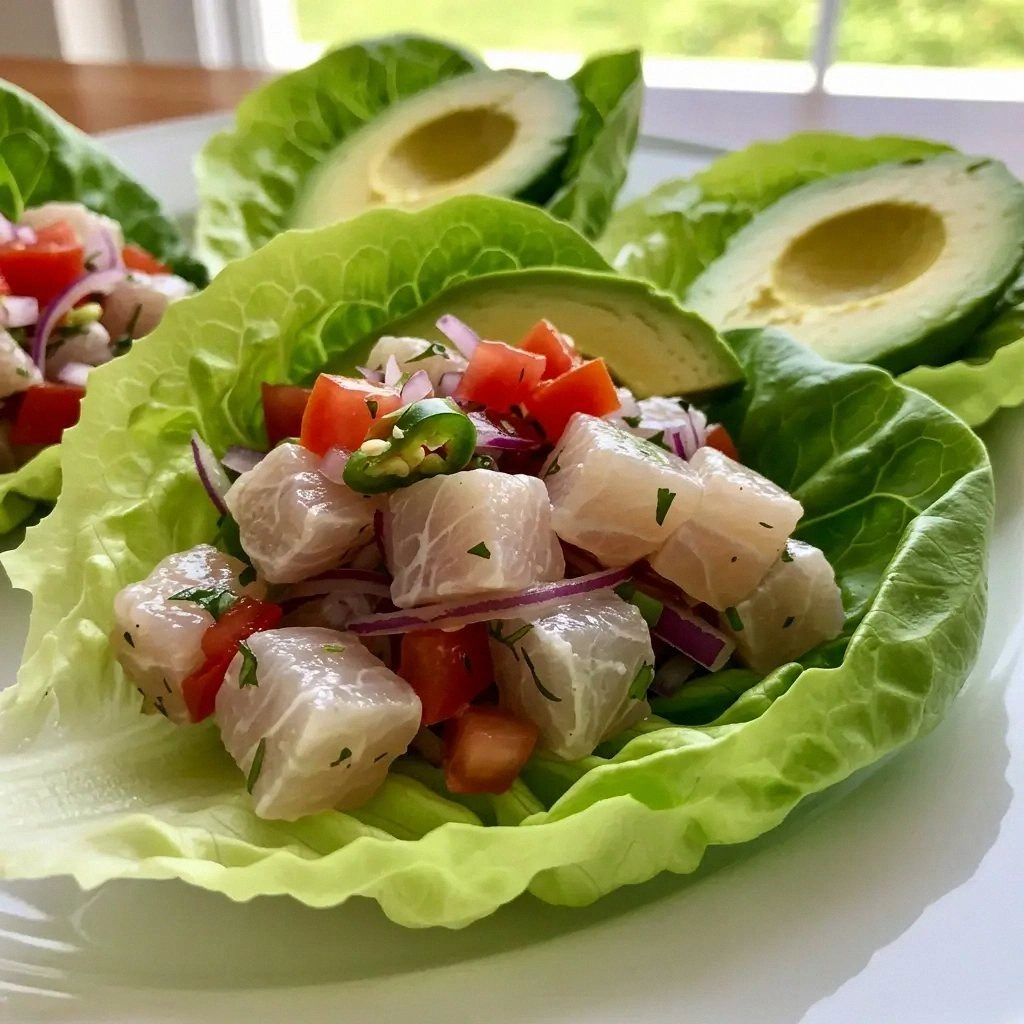
- First, dice the fish into 1/2-inch cubes. Pat the fish dry with paper towels to remove excess moisture. This step ensures that the lime juice doesn’t dilute the flavor. The fish should be firm to the touch, indicating freshness. Keep the fish in a shallow bowl to maximize surface area for marination.
- Next, pour the freshly squeezed lime juice over the fish. Stir gently to coat every piece. The acid in the lime will begin to “cook” the fish, turning it opaque. Let it sit for exactly 15 minutes; this is where the magic happens. The fish should look slightly firmer but not mushy.
- While the fish marinates, thinly slice the red onion. Use a sharp knife to achieve the finest slices possible. The onions should remain crisp and bright. If you’re using white onion, it will add a subtle sweetness that balances the citrus. Keep the onions in a separate bowl until you’re ready to combine them.
- Now add the finely chopped jalapeño or ají amarillo to the bowl. The pepper should be seeded to control the heat level. Stir the mixture gently, ensuring even distribution of the spice. This step is crucial; too much heat can overpower the delicate fish. Taste the mixture, and adjust if needed.
- Add the chopped cilantro, a teaspoon of salt, and a pinch of black pepper. Stir gently, allowing the herbs to release their aroma. The cilantro adds a fresh, green note that cuts through the acidity. The salt balances all flavors, while the pepper adds subtle depth. Taste again; the mixture should feel balanced.
- Incorporate the sweet potato rounds and grilled corn kernels. Toss them gently so they’re coated in the lime mixture. The sweet potato adds a subtle sweetness that complements the citrus, while the corn brings a smoky depth. This combination gives the dish a complex, multi-layered flavor profile. The texture contrast keeps each bite exciting.
- Finally, fold in the diced avocado. Be gentle to preserve the avocado’s texture. The avocado adds creaminess, turning the dish into a velvety delight. Gently mix until the avocado is evenly distributed but still intact. This final touch balances the sharp lime and heat with a buttery finish.
- Serve immediately, garnished with lime wedges and a sprinkle of fresh cilantro. The dish should be bright and vibrant, with a crisp, clean finish. The lime wedges add a burst of citrus with each bite, while the cilantro adds a fresh herbal note. The overall experience is a refreshing, zesty, and utterly unforgettable starter that will leave your guests in awe.
That's it — you did it. But hold on, I've got a few more tricks that'll take this to another level…
Insider Tricks for Flawless Results
The Temperature Rule Nobody Follows
The fish’s texture hinges on the temperature of the lime juice. If the juice is too cold, the fish will take longer to “cook” and may become mushy. Warm the lime juice slightly (to about 70°F) before adding it to the fish. This ensures a quick, even marination and preserves the firm bite. I’ve tried this trick a dozen times, and it consistently delivers a perfect texture.
Why Your Nose Knows Best
The aroma of fresh lime is a reliable indicator of quality. If the lime smells sharp and citrusy, it’s fresh. A musty or flat scent signals that the lime is past its prime. The same rule applies to fish—if it has a faint, briny smell, it’s still good. Trust your nose; it will guide you to the freshest ingredients.
The 5-Minute Rest That Changes Everything
After marinating, let the ceviche rest for five minutes before serving. This allows the flavors to meld and the acidity to settle. The fish will finish “cooking” during this rest, ensuring a tender yet firm bite. I’ve found that a brief rest transforms a good ceviche into a great one. It’s a simple step that often gets overlooked.
Use the Right Knife
A sharp, serrated knife makes slicing the fish and vegetables a breeze. A dull knife can crush the delicate fish, ruining the texture. Keep your knife sharp and clean, and you’ll see an immediate difference. I always keep a spare sharpener nearby for those quick touch-ups.
The Perfect Plate
Serve the ceviche on a chilled plate to keep it cool and crisp. The cold plate also enhances the contrast between the hot lime and the cool fish. If you’re serving a crowd, use a large shallow bowl with a lip to prevent spills. Presentation is key—an attractive plate can elevate even a simple dish.
Creative Twists and Variations
This recipe is a playground. Here are some of my favorite ways to switch things up:
Citrus Swap
Replace lime with a mix of lime and orange juice for a sweeter, more complex acidity. The orange adds a subtle floral note that pairs beautifully with the fish. This variation is perfect for those who enjoy a slightly sweeter ceviche.
Seafood Medley
Swap the white fish for a mix of shrimp, scallops, and calamari. The different textures create a more dynamic dish, and the seafood’s natural sweetness complements the citrus. This version is ideal for a more upscale gathering.
Spicy Mango
Add diced ripe mango for a tropical twist. The mango’s natural sweetness balances the heat from the jalapeño and adds a juicy burst. This variation is a crowd-pleaser, especially during summer.
Herb Garden
Replace cilantro with a blend of basil, mint, and parsley for a fresh, herbaceous flavor. The combination adds depth and a new aromatic profile. This version is great for those who love herb-forward dishes.
Vegan Ceviche
Use firm tofu or tempeh instead of fish. Marinate the tofu in lime juice with a splash of soy sauce for umami. The tofu will absorb the citrus, resulting in a flavorful, plant-based ceviche that satisfies both vegans and carnivores alike.
Smoked Salmon Ceviche
Replace the fish with thinly sliced smoked salmon. The smoky flavor adds a new dimension, and the salmon’s rich texture complements the citrus. This variation is perfect for a brunch or a special occasion.
Storing and Bringing It Back to Life
Fridge Storage
Store the ceviche in an airtight container in the refrigerator for up to 24 hours. Keep the avocado separate until just before serving to maintain its texture. The flavors will continue to meld, creating a deeper, more integrated taste. When ready to serve, give it a quick stir and garnish with fresh cilantro and lime wedges.
Freezer Friendly
Ceviche isn’t ideal for freezing, but you can freeze the fish and vegetables separately. Freeze the fish in a single layer on a parchment-lined tray, then transfer to a freezer bag. The vegetables should be frozen separately to preserve their crunch. Thaw in the refrigerator and combine just before serving.
Best Reheating Method
If you must reheat, do it gently. Warm the mixture in a microwave on low power for 30 seconds, then stir. Add a tiny splash of water or lime juice to keep it moist. The goal is to reheat without overcooking the fish or drying out the avocado. Serve immediately for the best texture.