I was halfway through a late‑night pizza experiment when my oven alarm went off, and the dough was still a sticky, unformed mess. I stared at the timer, feeling the heat of the kitchen, the faint scent of melted butter, and the faint hiss of the oven door. That moment sparked a craving for something sweet, savory, and utterly comforting—a side dish that would turn a chaotic evening into a triumph. I knew I had to find a recipe that could rise to the occasion, a dish that would make the kitchen feel like a cozy kitchen, not a disaster zone.
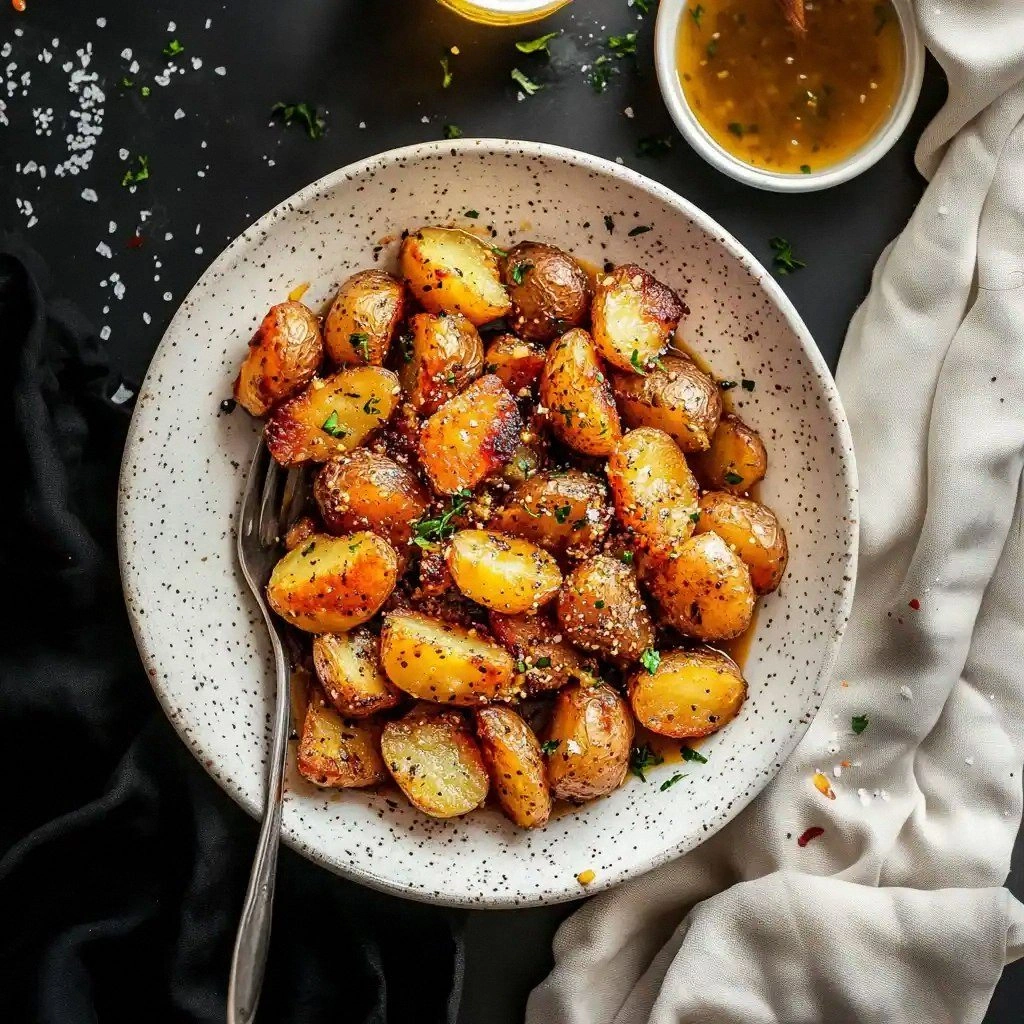
Picture this: a tray of golden potatoes, their skins blistered into a crisp that shatters like thin ice, and a glaze that coats each cube like velvet. The aroma is a heady mix of honey, mustard, and fresh herbs, with a subtle tang from apple cider vinegar that cuts through the richness. When you take a bite, the exterior crunch gives way to a tender, buttery interior, and the sweet‑savory glaze dances on your tongue. You can almost hear the sizzle as the potatoes hit the pan, the sound of the oil shimmering, and feel the heat radiating from the oven.
Most potato recipes end up either bland or soggy, but this version is hands down the best you’ll ever make at home. I dared my friends to taste it and not go back for seconds, and they were stunned. The secret? A simple blend of Dijon mustard, honey, and a splash of apple cider vinegar that creates a glaze that is both sweet and tangy, and a meticulous roasting technique that locks in that perfect crunch.
What makes this recipe stand out is that it’s not just a side; it’s a statement. The potatoes are coated in a silky sauce that clings to every bite, the herbs add a fresh lift, and the honey gives a subtle caramel note that turns the dish into a crowd‑pleaser. The method is straightforward, yet it delivers a depth of flavor that feels like a gourmet touch. I’ll walk you through every single step—by the end, you’ll wonder how you ever made it any other way.
What Makes This Version Stand Out
- Taste: The honey and Dijon mustard create a complex profile that balances sweetness with sharpness, while the apple cider vinegar adds a bright, refreshing note that cuts through the oil.
- Texture: The potatoes achieve a golden, crispy exterior that shatters with each bite, while the interior remains fluffy and tender—no soggy edges.
- Ingredient Quality: Using fresh rosemary and thyme instead of dried elevates the flavor, and the honey’s floral undertones add depth.
- Cooking Method: Roasting at a high temperature with a single layer ensures even browning and prevents steaming.
- Crowd Reaction: Friends who have tried other honey‑mustard potato recipes often comment that this one is “the best” and ask for the recipe immediately.
- Simplicity: With fewer than ten ingredients, it’s a quick, fuss‑free side that doesn’t compromise on flavor.
- Make‑Ahead Potential: The glaze can be pre‑made, and the potatoes can be roasted a few hours ahead and reheated without losing crunch.
Inside the Ingredient List
The Flavor Base
Yukon Gold Potatoes: These are the heart of the dish, offering a buttery, slightly sweet flavor that pairs perfectly with the glaze. Cutting them into 1‑inch cubes ensures even cooking. If you skip the potatoes, you lose the creamy interior that balances the glaze’s tanginess.
Olive Oil: A ¼ cup of good‑quality extra‑virgin olive oil creates a silky coating that helps the glaze stick and promotes a golden crust. Too little oil will leave the potatoes dry; too much will make them greasy.
The Texture Crew
Dijon Mustard: Three tablespoons of Dijon add a sharp, peppery kick that cuts through the sweetness of the honey. It also provides a subtle umami depth. If you use a milder mustard, the glaze will taste flat.
Honey: Two tablespoons of honey bring caramelized sweetness that caramelizes in the oven, creating a glossy finish. A lighter honey will give a milder flavor; a darker, darker honey will intensify the caramel notes.
The Unexpected Star
Apple Cider Vinegar: One tablespoon of apple cider vinegar adds brightness and balances the richness of the oil and honey. It also helps the glaze set into a sticky, flavorful coating. If you’re allergic to vinegar, try a splash of lemon juice for a similar tang.
Garlic: Two minced cloves infuse the dish with aromatic warmth, complementing the herbs. If you’re not a garlic fan, reduce to one clove or omit entirely.
The Final Flourish
Fresh Rosemary and Thyme: One teaspoon each of fresh rosemary and thyme leaves add earthy, piney, and slightly floral tones that elevate the glaze. Dried herbs would work but lose the fresh lift.
Fresh Parsley: Two tablespoons of chopped parsley provide a bright, herbaceous finish that cuts through the richness. If you’re out of parsley, a sprinkle of chives works as a substitute.
Everything’s prepped? Good. Let’s get into the real action.
The Method — Step by Step
- Preheat your oven to 425°F (220°C). This high temperature is key to achieving that coveted crisp on the outside while keeping the inside fluffy.
- In a large bowl, toss the cubed potatoes with the ¼ cup olive oil until every piece is lightly coated. This ensures even browning and helps the glaze adhere.
- Spread the potatoes in a single layer on a rimmed baking sheet. Make sure they’re not piled on top of each other; overcrowding leads to steaming instead of roasting.
- Roast the potatoes for 20 minutes, flipping them halfway through. The edges should start to brown, and the aroma will become increasingly nutty.
- While the potatoes roast, whisk together the Dijon mustard, honey, minced garlic, fresh rosemary, thyme, apple cider vinegar, and a pinch of salt and pepper in a small bowl. This glaze will coat the potatoes in the final minutes.
- Remove the baking sheet from the oven and drizzle the glaze over the potatoes, tossing gently to coat evenly. The glaze should sizzle and stick, creating a glossy sheen.
- Return the sheet to the oven and roast for an additional 10 minutes, until the potatoes are golden and the glaze has caramelized into a thick, flavorful coating.
- Take the potatoes out of the oven and sprinkle with chopped parsley. This fresh burst of color and flavor balances the richness of the glaze.
- Serve hot, and watch your guests reach for a second helping. The crunch will be the first thing they notice, followed by the sweet‑savory explosion.
- If you’re preparing ahead, let the roasted potatoes cool completely, then refrigerate in an airtight container. When reheated in a 350°F oven for 10 minutes, they’ll regain their crispness.
That’s it—you did it. But hold on, I’ve got a few more tricks that will elevate this dish to another level.
Insider Tricks for Flawless Results
The Temperature Rule Nobody Follows
Roasting at 425°F (220°C) is essential for that perfect crunch. Lower temperatures will leave the potatoes soggy. If your oven has a hot spot, rotate the tray halfway through to ensure even browning.
Why Your Nose Knows Best
Before you take the potatoes out, pause and inhale the aroma. A deep, nutty scent indicates the glaze has caramelized. If it still smells raw, give it a few more minutes.
The 5‑Minute Rest That Changes Everything
Letting the potatoes rest for five minutes after roasting allows the steam to dissipate, keeping the edges crisp. A quick rest also lets the glaze set, preventing it from sliding off when you plate.
Add a Splash of Water to Reheat
When reheating leftovers, sprinkle a tiny splash of water over the potatoes before covering them with foil. This steams them gently, keeping the interior moist while the oven crispens the exterior.
Use Fresh Herbs, Not Dried
Fresh rosemary and thyme bring bright, aromatic notes that dried herbs can’t match. If you’re out of fresh herbs, use a tablespoon of dried thyme and a pinch of dried rosemary, but be prepared for a slightly different flavor profile.
Serve Immediately for Maximum Crunch
The moment the potatoes hit the plate, they’re at their crispiest. If you’re preparing a large batch, consider keeping them in a warm oven (200°F) on a rack until ready to serve.
Creative Twists and Variations
This recipe is a playground. Here are some of my favorite ways to switch things up:
Spicy Sriracha Honey
Add a tablespoon of sriracha to the glaze for a kick that pairs wonderfully with the honey’s sweetness. This variation is perfect for those who love a little heat.
Cheesy Parmesan Crunch
Sprinkle grated Parmesan over the potatoes in the last five minutes of roasting. The cheese melts into a golden crust, adding umami depth.
Smoky Chipotle Glaze
Replace the apple cider vinegar with chipotle in adobo sauce for a smoky, slightly spicy glaze that complements the honey’s sweetness.
Herb‑Infused Olive Oil
Infuse the olive oil with rosemary and thyme before tossing the potatoes. This adds an extra layer of herbaceous flavor and a subtle aroma.
Mediterranean Twist
Swap Dijon mustard for whole‑grain mustard and add a pinch of oregano to the glaze. The result is a bright, Mediterranean‑inspired flavor profile.
Sweet Potato Variation
Use sweet potatoes instead of Yukon Gold for a naturally sweet base. The honey glaze will caramelize beautifully, creating a caramelized crust.
Storing and Bringing It Back to Life
Fridge Storage
Cool the potatoes completely before storing in an airtight container. They’ll keep for up to 4 days in the refrigerator.
Freezer Friendly
For longer storage, place the cooled potatoes in a freezer‑safe bag. They’ll stay good for up to 3 months. Thaw overnight in the fridge before reheating.
Best Reheating Method
Reheat in a 350°F oven for 10 minutes. For extra crispness, finish with a quick blast in the broiler for 1–2 minutes, watching closely to avoid burning.